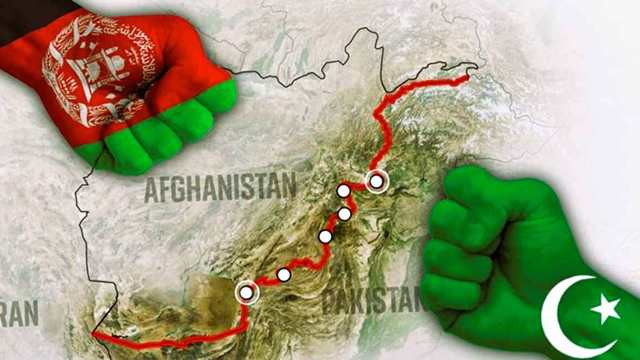
Despite no change in geography, World Bank has redefined the economic positioning of Pakistan and Afghanistan, moving them out of South Asia and into the Middle East and North Africa (MENA) grouping.
This shift comes as part of the World Bank’s recent regional restructuring under the “Greater Middle East” or MENAAP framework, which took effect in July 2025.
According to the World Bank, Pakistan’s economy has long been closely tied to the Gulf region. Remittances sent by expatriates working in countries such as Saudi Arabia and United Arab Emirates are a major driver of its economy. Additionally, Pakistan relies heavily on the Middle East for energy imports, strengthening its economic alignment with that region over South Asia.
Analysts believe this reclassification could affect the regional balance in South Asia. With Pakistan no longer part of the grouping, India’s influence in the region may grow further. There are also concerns that the South Asian Association for Regional Cooperation could weaken as a result.
However, the move may also create new opportunities for Pakistan. Closer alignment with Gulf economies could increase access to investment, financing, and labor markets. At the same time, risks remain, particularly due to fluctuations in oil prices and potential political instability in the Middle East.
Data shows that in 2024, World Bank allocations to South Asia stood at approximately $15.9 billion, compared to $4.6 billion for the MENA region. As a result, Pakistan may receive relatively lower financial support under the new structure.
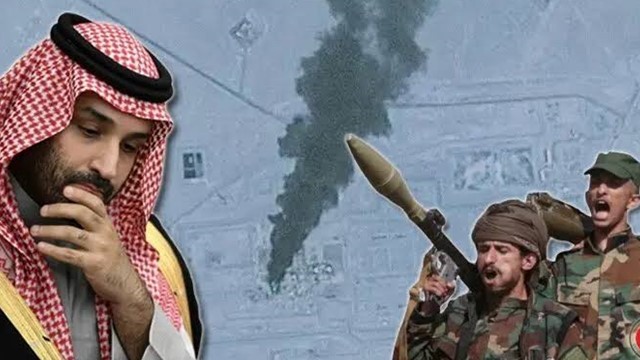
Meanwhile, Saudi Arabia has stepped forward to support Pakistan following the transition. The kingdom has extended the tenure of a $5 billion deposit held in Pakistan’s central bank and announced an additional $3 billion in assistance—moves considered significant for stabilizing Pakistan’s economy.
The reclassification has also altered South Asia’s demographic profile. The region’s population has decreased from around 2 billion to approximately 1.7 billion. Consequently, India’s share has risen to about 86%, while the proportion of other countries has slightly increased.