১৬ আশ্বিন ১৪৩৩



Why Ayatollah Ali Khamenei’s Burial Was Delayed for Four Months
04 July 2026 04:07 AM
NEWS DESK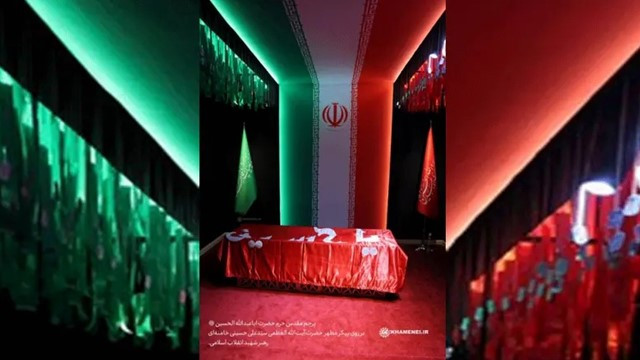
Four months after Iran’s Supreme Leader, Ayatollah Ali Khamenei, was killed in a U.S. and Israeli airstrike on February 28, Iranian authorities have officially begun his funeral ceremonies.
The lengthy delay in the burial has drawn widespread attention, as Islamic tradition generally calls for the deceased to be buried as soon as possible. Iranian officials said the prolonged funeral arrangements were due to the intense military conflict between Iran, the United States, and Israel, which made it impossible to organize such a large-scale ceremony. With a temporary ceasefire now in place, authorities have moved forward with the final rites.
Officials said Khamenei’s body had been preserved in a modern forensic morgue under refrigeration rather than being embalmed. They emphasized that Islamic law prohibits mummification or chemical preservation of the dead. According to Shia religious jurisprudence, however, delaying burial and keeping a body refrigerated is permissible under exceptional emergency circumstances.
The Iranian government views the funeral as a significant political event and a demonstration of national unity. Authorities are expecting nearly 20 million people to participate in mourning ceremonies. Khamenei’s body, along with those of several slain relatives, has been placed at Tehran’s Grand Mosalla Mosque. Following memorial events in five cities, he is scheduled to be buried in Mashhad on July 9.
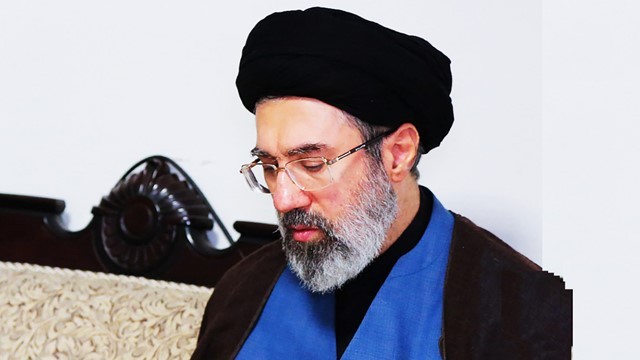
Meanwhile, Khamenei’s son, Mojtaba Khamenei, will reportedly not attend the public ceremonies because of security concerns.
In an interview with India Today, Ayatollah Hakim Elahi, described as a representative of Khamenei, said the decision was made because of continuing tensions with Israel. He stated that although Mojtaba wished to appear before the public, security officials had advised against it, citing serious threats to his life and the inability to guarantee his protection.
Separately, Major General Ahmad Vahidi, a senior commander of Iran’s Islamic Revolutionary Guard Corps (IRGC), has reappeared in public after an extended period out of the spotlight. Iranian state media released photographs showing Vahidi attending a meeting to coordinate the late leader’s funeral arrangements.
On Thursday night, a private memorial gathering was held near Khamenei’s former residence in Tehran, where Vahidi was seen seated beside the coffin of the 86-year-old leader. It was his first public appearance since February 8, shortly before the conflict that later escalated into war.