৭ কার্তিক ১৪৩৩



US, Saudi Arabia Sign Landmark Civil Nuclear Cooperation Agreement
24 July 2026 06:07 AM
NEWS DESK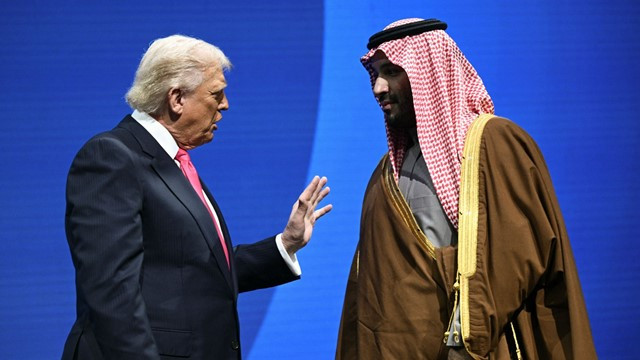
The United States and Saudi Arabia have signed a landmark agreement that could pave the way for the kingdom to develop a civilian nuclear program. The deal, finalized following the Saudi leader's visit to Washington last November, has drawn renewed attention amid escalating tensions between the United States and Iran.
The U.S. Department of Energy described the pact as a "peaceful nuclear cooperation agreement," saying it would create significant opportunities for American companies to participate in Saudi Arabia's civilian nuclear energy program.
The full details of the agreement have not been made public. However, U.S. media reports suggest the framework could eventually allow Saudi Arabia to enrich uranium—a capability that can be used to produce fuel for nuclear power plants but also has potential applications in the development of nuclear weapons.
Non-proliferation experts say such a move would represent an unprecedented shift in U.S. policy and could increase the risk of nuclear weapons proliferation in an already volatile region.
The U.S. Department of Energy said the nuclear cooperation agreement was signed alongside a separate bilateral safeguards agreement. In a statement, the department said the two accords establish the legal foundation for a multi-billion-dollar partnership expected to span several decades while advancing shared economic and strategic priorities, including nuclear non-proliferation.
The Saudi government also confirmed the agreement, describing it as an extension of the two countries' longstanding cooperation in the energy sector. Riyadh noted that the deal was finalized following the Saudi leader's visit to Washington in November.
The announcement comes as hostilities between the United States and Iran continue to intensify. Several U.S. military installations in Saudi Arabia have become potential targets for Iranian retaliation. The agreement was also disclosed just two days after Yemen's Iran-backed Houthi movement announced a naval blockade targeting Saudi Arabia, adding to concerns over regional security and stability.