৩১ ভাদ্র ১৪৩৩



Japan’s Centenarian Population Surpasses 100,000 for the First Time
15 September 2026 22:09 PM
NEWS DESK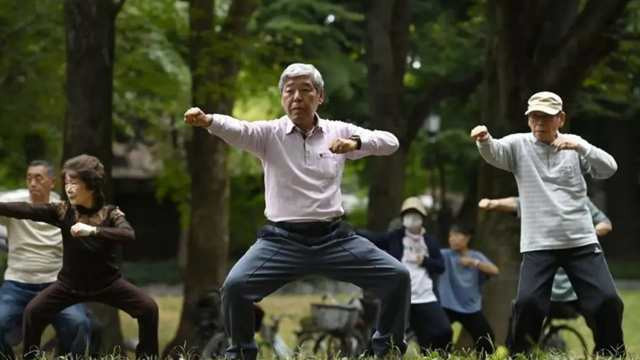
Japan has reached a new milestone in its rapidly aging society, with the number of people aged 100 and over surpassing 100,000 for the first time in the country’s history.
Japan has reached a new milestone in its rapidly aging society, with the number of people aged 100 and over surpassing 100,000 for the first time in the country’s history.
According to the latest figures released by Japan’s Ministry of Health, Labour and Welfare, more than 107,000 centenarians now live in the country—the highest number recorded anywhere in the world.
Women account for the overwhelming majority of Japan’s centenarian population, making up approximately 88 percent of the total. Among the country’s oldest residents, 114-year-old Fuyo Kishimoto of Kyoto is the oldest woman, while 112-year-old Hikaru Kato of Kumamoto is the oldest man.
Health Minister Kenichiro Ueno welcomed the figures, saying advances in healthcare and technology have enabled Japanese citizens to live longer and more active lives. At the same time, however, he warned that the country’s growing elderly population poses significant challenges for maintaining its social security system.
Healthy Lifestyle Behind Japan’s Longevity
Experts say Japan’s high life expectancy is partly attributable to the country’s traditional diet and active lifestyle. Fish, vegetables and rice form a major part of the Japanese diet, which generally contains less saturated fat than typical Western diets.
Many older Japanese people also remain physically active by walking regularly, using public transportation, riding bicycles and engaging in everyday physical activities.
But behind the positive story of longer lives lies a serious demographic challenge.
Japan’s population has been aging for decades. One striking indication of the demographic shift is that adult diapers have outsold baby diapers in the country for more than a decade.
To help older people remain mobile and independent, technology companies have introduced a range of products, including powered exoskeletons designed to assist movement and specialized glasses that automatically adjust focus.
Birth Rate Hits Record Low
While longevity continues to rise, Japan’s sharply declining birth rate has become a major national concern.
A fertility rate of about 2.1 children per woman is generally considered necessary to maintain a stable population without migration. Japan’s fertility rate, however, fell to a record low of just 1.14 last year.
According to Japan’s National Institute of Population and Social Security Research, the country’s population could decline by roughly 30 percent by 2070, falling from a peak of about 128 million in 2008 to approximately 87 million.
People aged 65 and older currently account for around 30 percent of Japan’s population. That share is projected to rise to nearly 40 percent by 2070.
Japanese authorities have described the demographic decline as an “existential crisis,” while Prime Minister Sanae Takaichi has referred to the situation as a “silent emergency.”
Population decline is accelerating across almost all of Japan’s administrative regions. Despite government subsidies and welfare policies aimed at encouraging young people to have children, the birth rate has continued to fall.
Experts point to several factors, including declining marriage rates, the increasing participation of women in the workforce and the high cost of raising children. Although the number of foreign residents has increased modestly, foreign nationals still account for only around 3 percent of Japan’s total population, while further immigration remains controversial among many Japanese citizens.
From 153 Centenarians to More Than 100,000
Japan’s centenarian population has grown dramatically since the government began its annual survey in 1963.
At that time, only 153 people aged 100 or older were recorded across the country. The number surpassed 1,000 in 1981 and crossed the 10,000 mark in 1998.
The Health Ministry traditionally releases its centenarian figures around Respect for the Aged Day, a national observance honoring older people. Citizens who reach the age of 100 are traditionally recognized with a personal letter from the prime minister and a commemorative sake cup.
However, the accuracy of Japan’s centenarian records has occasionally come under scrutiny because of discrepancies in birth and other official records.
A government audit in 2010 found inconsistencies in the records of approximately 230,000 people, many of whom had died years earlier but remained listed as alive. In some cases, relatives had reportedly concealed deaths in order to continue receiving pension benefits.
Japan’s latest centenarian milestone therefore presents a striking contrast: the country is succeeding in helping its citizens live longer than ever, while simultaneously confronting one of the world’s most serious population-decline crises.