[email protected]
শনিবার, ৩১ অক্টোবর ২০২৬
১৫ কার্তিক ১৪৩৩
১৫ কার্তিক ১৪৩৩

Friday, 30th October 2026


Netanyahu's Longtime Ultra-Orthodox Ally Signals Possible Exit from Coalition
30 October 2026 23:10 PM
NEWS DESK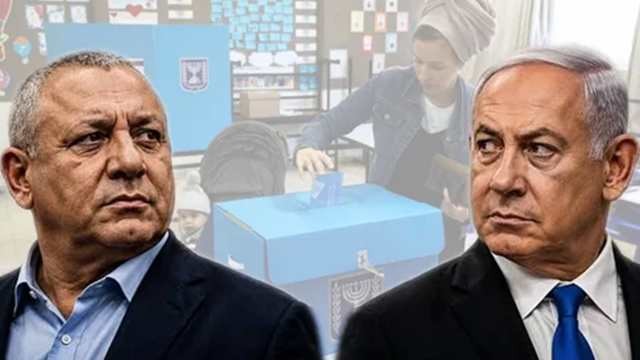
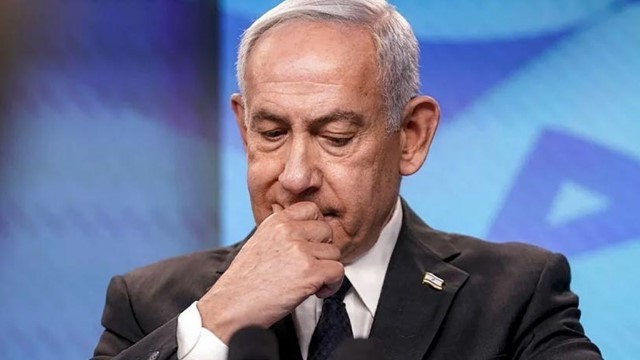
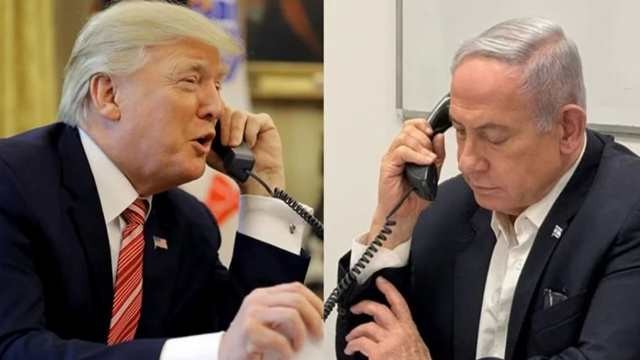
Israel's political landscape may be heading for a major realignment as United Torah Judaism (UTJ), a longtime ultra-Orthodox ally of Prime Minister Benjamin Netanyahu, has signalled that it may withdraw from his coalition and potentially support the opposition bloc.
With neither side securing the required parliamentary majority, UTJ's position has emerged as a key factor in determining the country's next government.
In the election, Netanyahu's coalition secured 53 seats, while the opposition bloc led by Gadi Eisenkot won 48. Arab parties made a strong showing, collectively securing 19 seats.
A party needs at least 61 seats in the 120-member Knesset to form a government. However, neither bloc managed to reach that threshold, triggering discussions over possible political arrangements.
Against this backdrop, Israeli President Isaac Herzog has urged political parties to explore all possible options to avoid another election.
UTJ, a member of Netanyahu's coalition, is now considering a shift in its political position. Party leaders have indicated that they may support an opposition-led government without formally joining it.
According to a report by Israel's Channel 12 on Thursday, a possible arrangement would see UTJ remain outside the opposition coalition while abstaining from votes against a government led by Eisenkot or against certain legislation. Such a move could help the proposed government remain in power.
According to Channel 12's calculations, excluding UTJ's seven seats would reduce Netanyahu's coalition strength to 46. The opposition bloc would retain 48 seats.
In that scenario, Eisenkot could seek support from the Arab party Ra'am, led by Mansour Abbas, which secured eight seats in the election.
UTJ's growing dissatisfaction with Netanyahu is largely linked to the issue of military conscription exemptions for ultra-Orthodox Jewish students. The party has long demanded that religious students be exempted from mandatory military service, but Netanyahu's government has failed to meet that demand.
A source within UTJ said the party had little left to gain from Netanyahu and that its partnership with him had effectively run its course, particularly as he no longer commands the 61 seats needed for a parliamentary majority.
The party's objective is to re-establish itself as an influential political force in the Knesset.
However, military conscription could prove a major obstacle to any understanding between UTJ and the opposition. Former military chief Gadi Eisenkot has publicly supported making military service compulsory for ultra-Orthodox Jewish students, while UTJ insists on maintaining their exemption.
Despite the differences, some UTJ leaders believe negotiations could produce a draft law acceptable to both sides, potentially opening the door to a new political arrangement.
Advertisement