২ অগ্রহায়ণ ১৪৩৩



ICJ to Deliver Landmark Verdict on Myanmar’s Alleged Genocide Against Rohingya
15 November 2026 19:11 PM
NEWS DESK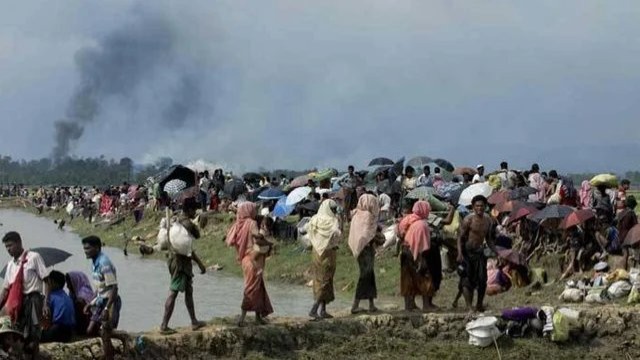
The International Court of Justice (ICJ) is set to deliver its verdict next Thursday on whether Myanmar committed genocide against the Rohingya Muslim minority, in what is expected to be one of the most significant rulings on genocide allegations under international law since World War II.
The judgment could also have implications for the ongoing separate genocide case against Israel over its military operations in Gaza.
In 2017, hundreds of thousands of Rohingya fled to Bangladesh following a military crackdown in Myanmar. In 2019, The Gambia filed a case against Myanmar at the ICJ, accusing the country of committing genocide against the minority group.
The court’s judges have spent seven years examining the case, including reviewing documents and hearing arguments over alleged violations of the 1948 United Nations Genocide Convention.
A key issue in determining whether genocide occurred is whether there was an intent to destroy, in whole or in part, a particular national, ethnic, racial or religious group.
Lawyers representing the Rohingya say a pattern of attacks on villages, the burning of homes, killings, rape and other forms of sexual violence could provide important evidence of genocidal intent.
In January, the court also heard confidential testimony from several Rohingya refugees currently living in Bangladesh. Their accounts reportedly described horrific experiences, including killings, children being thrown into fires and mass graves.
Myanmar has rejected the genocide allegations, maintaining that its 2017 military operation was a security campaign targeting insurgents.
The ICJ ruling could intensify international pressure on Myanmar. It may also serve as an important legal precedent in the genocide case brought against Israel by South Africa.
More than one million Rohingya refugees are currently sheltering in Bangladesh, while fewer than 600,000 are estimated to remain inside Myanmar.