২৭ কার্তিক ১৪৩৩



Oil Prices Fall Below $90 a Barrel as Trump Signals No Immediate Plans to Strike Iran
11 November 2026 19:11 PM
NEWS DESK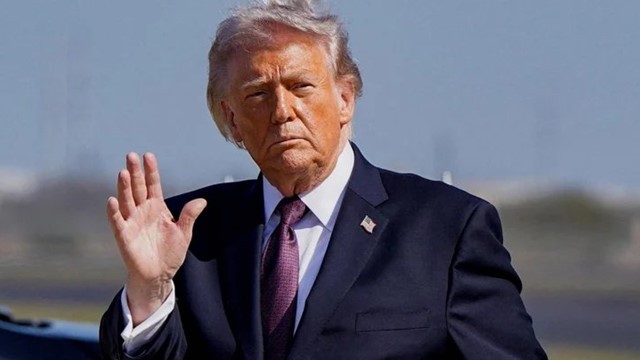
Global crude oil prices have fallen below $90 a barrel, with the decline accelerating after US President Donald Trump indicated that he had no immediate plans for further military strikes against Iran. Optimism over diplomatic efforts to ease tensions in the Middle East has also contributed to the drop.
During early trading on Wednesday, international benchmark Brent crude fell to $89.70 a barrel, dropping below the $90 threshold for the first time since August. Market analysts believe the downward trend could continue in the coming days.
US benchmark West Texas Intermediate (WTI) also fell below $85 a barrel. Earlier in the Asian trading session, Brent had dropped below $92, while WTI slipped beneath $86.
Trump's latest comments on Iran have emerged as a major catalyst behind the market decline. The US president said he had no plans to attack Iran at the moment, suggesting that further military action against Tehran might not be necessary.
His remarks have eased some concerns about a further escalation of the conflict between Washington and Tehran. Ongoing diplomatic initiatives mediated by Qatar have also generated optimism among market participants.
Ole Hansen, head of commodity strategy at Saxo Bank, said Brent crude had fallen by around 25 per cent after climbing above $117 a barrel in late October.
Oil prices dropped 17 per cent last week alone, marking Brent's biggest weekly decline since the market turmoil during the COVID-19 pandemic in 2020. The selling trend has continued into the beginning of this week.
According to Hansen, Trump's suggestion that further attacks on Iran might not be necessary has improved market sentiment.
Crude oil supply flows have also largely returned to levels seen before the war. However, conditions have not normalised across all segments of the energy market. Supplies of liquefied natural gas (LNG) and refined petroleum products remain constrained, keeping prices of certain products, particularly diesel, relatively high.
Reports concerning a possible nuclear agreement have also influenced oil markets.
According to some reports, Washington is prepared to allow Iran to enrich uranium to approximately 4 per cent, and Tehran may be willing to accept the proposal.
However, neither the United States nor Iran has officially confirmed the reports. Although news of a possible agreement has generated optimism in the market, uncertainty remains over its terms and the prospects for actual progress.
Meanwhile, attacks on energy infrastructure and maritime transport in the Middle East have continued.
The Houthis have continued targeting Saudi Arabia's energy infrastructure. The latest reports indicate that the group's attacks again targeted the country's East-West oil pipeline.
According to an official from Saudi Arabia's Energy Ministry, the attack caused a limited fire, which was subsequently extinguished.
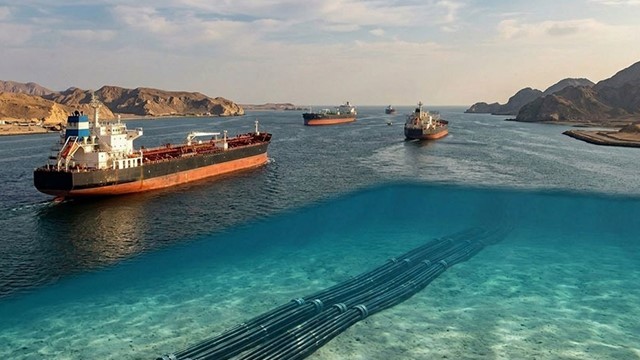
Attacks on oil tankers in and around the Strait of Hormuz have also continued.
However, these incidents have not yet triggered fresh major concerns in the oil market.
Tim Waterer, chief market analyst at KCM Trade, told Reuters that although attacks on vessels around the Strait of Hormuz were continuing, the situation had not escalated to a level that would add a significant supply-risk premium to oil prices.
In other words, traders are currently paying more attention to signs of de-escalation and potential diplomatic progress than to the ongoing attacks.
Supply-side developments have also provided support for the downward price trend.
According to a Reuters survey, the Organisation of the Petroleum Exporting Countries (OPEC) increased its daily oil production by 1.38 million barrels in October to 22.87 million barrels.
However, the figure remained below the February daily average of 25.48 million barrels.
Meanwhile, Reuters technical analysis suggests that oil prices could decline further.
Analysing price movements, market momentum and volatility indicators, the report suggests that the upward trend in Brent crude that began in July has temporarily come to an end.
If the downward momentum continues, prices could initially fall towards $89-$90 a barrel, followed by a possible decline to $85-$86.
A deeper correction could push prices below the $78-$80 range.
However, these projections remain conditional. Any change in the Middle East conflict or the course of diplomatic negotiations could quickly alter the direction of the market.
Analysts believe that fresh signals from Washington and Tehran will therefore play a crucial role in determining the next direction of global oil prices.