২৭ কার্তিক ১৪৩৩



UK’s Interest-Free Student Loan Scheme for Muslims Sparks Political Controversy
11 November 2026 20:11 PM
NEWS DESK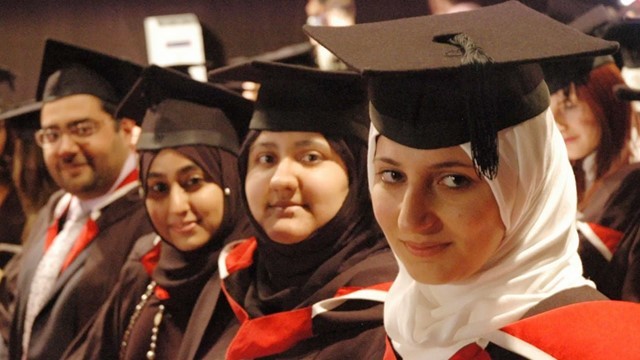
A new initiative to introduce Sharia-compliant, interest-free student loans for Muslim students at universities across the United Kingdom has sparked fresh political controversy and criticism.
According to a report by The Daily Telegraph, the Labour government is moving ahead with the scheme, prompting critics to warn that it could create a "two-tier" education system and deepen divisions within British society.
The alternative student finance arrangement is designed for Muslim students who, for religious reasons, cannot take out conventional interest-based loans.
Leading educational institutions, including Newcastle University and De Montfort University, have already begun promoting the scheme as an interest-free and Sharia-compliant financing option.
However, the financial structure of the proposed arrangement has raised several questions.
1. Repayment and reinvestment system
Under the scheme, repayments made by students will not go directly into the government's general treasury. Instead, the money will be recycled to help finance future students enrolled in the programme.
2. Potential burden on taxpayers
According to government estimates, approximately half of student loans remain unpaid.
Critics argue that if the specially designed loans also fail to be fully repaid, British taxpayers could ultimately have to cover the resulting shortfall.
Suella Braverman, Reform UK's education spokesperson, has strongly criticised the initiative, describing it as an "objectionable and anti-British policy".
She argued that the scheme could create a two-tier education system and contribute to a divided society.
Braverman said the Labour government was becoming accustomed to applying double standards across different aspects of British life, adding that parallel institutions of this kind were incompatible with the British way of life.
However, the UK Department for Education has rejected allegations that Muslim students are being given preferential treatment or additional benefits.
The department described such claims as "completely false".
According to the government, the initiative is intended to widen access to higher education for students whose religious or ethical beliefs prevent them from taking conventional interest-based loans.
The debate has highlighted wider questions about religious accommodation, equal access to higher education, public funding and the role of taxpayers in financing alternative student loan arrangements.