৩ অগ্রহায়ণ ১৪৩৩



India May Not Renew Ganges Water-Sharing Treaty with Bangladesh, Sources Say
16 November 2026 18:11 PM
NEWS DESK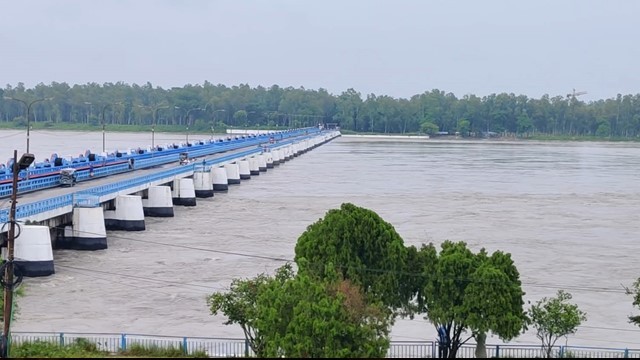
The 30-year Ganges Water-Sharing Treaty between India and Bangladesh is set to expire on December 12, but there has been little progress in negotiations between the two countries over its future. Meanwhile, several Indian government sources have indicated that New Delhi is considering not renewing the agreement in its current form.
However, officials familiar with the matter said water-sharing would continue under the existing terms for the time being, even after the treaty expires.
Signed on December 12, 1996, the agreement governs the sharing of Ganges water between the two countries, particularly during the dry season, with a focus on water distribution at the Farakka Barrage.
Under the existing arrangement, from March 11 to May 11, the two countries receive 35,000 cusecs of water alternately in 10-day cycles.
The treaty was originally intended to be renewed after 30 years through mutual agreement.
Sources said the Indian central government now wants to renegotiate the terms to secure a larger share of water for its development needs. These include maintaining operations at the Kolkata Port, meeting the water requirements of NTPC's thermal power plants and addressing salinity problems in the Sundarbans and other areas.
India requires around 40,000 cusecs of water to sustain development activities at Kolkata Port. Against this backdrop, the Central Water Commission (CWC) presented technical details on the issue to the Ministry of External Affairs last month.
An official told Indian media that the government had requested all technical data and presentations related to the treaty, particularly on how India could secure more water during the dry season.
Officials from the governments of West Bengal and Bihar also attended the meeting, where they raised concerns that the existing treaty was adversely affecting the interests of their states.
The official further said India needed at least an additional 5,000 cusecs of water during the dry season to facilitate dredging at Kolkata Port.
The additional water would also be required to prevent saltwater intrusion into the Sundarbans delta and adjoining agricultural areas, the official added.
Political tensions complicate negotiations
Referring to political tensions between India and Bangladesh, an official from India's Ministry of External Affairs said that when an agreement was signed in good faith, the downstream country should show due respect to the upstream country to maintain mutual trust.
Earlier, India formed a panel to review the restoration and future management of the Teesta Barrage project in West Bengal.
The move came amid growing Chinese involvement in Bangladesh's plans concerning the Teesta River.
Around 54 transboundary rivers flow into Bangladesh from India. Experts believe that multiple agreements are needed to ensure the effective management and equitable sharing of water from these rivers.