১১ আশ্বিন ১৪৩৩



Ramadan in Dubai: A City That Slows by Day, Shines by Night
02 February 2026 06:02 AM
NEWS DESK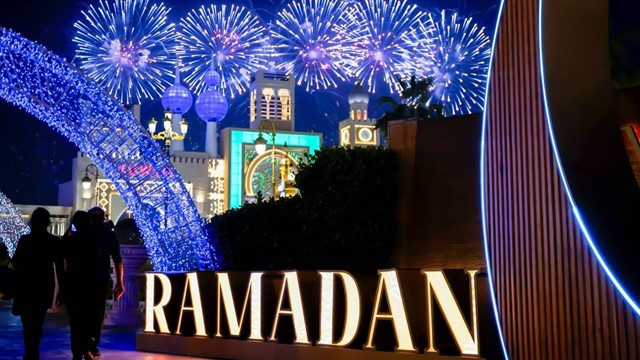
For Muslims around the world, Ramadan is a sacred month marked by fasting, self-reflection, spiritual discipline, and social harmony. To preserve the sanctity of the month, many countries adopt special measures—and Dubai, one of the world’s most popular tourist cities, is no exception.
With millions of non-Muslim tourists, expatriates, and business travelers passing through Dubai, maintaining the balance between religious reverence and a cosmopolitan lifestyle becomes especially important during Ramadan.
A Different Rhythm of Life
During Ramadan, the usually fast-paced city of Dubai slows down noticeably during daylight hours. Streets are quieter, routines are gentler, and the city seems to pause. But as sunset approaches, Dubai comes alive again—buzzing with energy, generosity, and community spirit.
Across key locations, charitable initiatives flourish. Volunteers and organizations arrange free iftar and suhoor meals for fasting individuals, reflecting the month’s emphasis on compassion and sharing.
In the past, restaurants and cafés were required to remain closed during the day. In recent years, however, authorities have allowed eateries to operate throughout the day. Still, out of respect for those fasting, eating, drinking, smoking, or chewing gum in public during daylight hours is strongly discouraged. Many hotels and venues provide discreet dining areas for non-fasting guests, while some restaurants remain closed until sunset.
Evenings of Hospitality and Tradition
As dusk falls, the atmosphere transforms. Hotels and restaurants host elaborate iftar spreads featuring traditional Arabic dishes alongside international cuisine. In Dubai, inviting someone to iftar—or accepting such an invitation—is widely regarded as a sign of courtesy and respect.
While Dubai is known year-round for its relaxed dress code, Ramadan brings a gentle shift. Visitors are encouraged to dress modestly in public places, cultural venues, and historical areas—covering shoulders and knees as a simple yet respectful gesture that reflects cultural awareness.
Adjusted Routines and City Logistics
Daily routines change significantly during Ramadan. In the United Arab Emirates, working hours are reduced by two hours for all employees, regardless of whether they are fasting. Shopping malls typically open later in the day and, especially on weekends, remain open until late at night.
Traffic congestion often peaks shortly before iftar, prompting authorities to advise residents to leave earlier than usual. Finding a taxi during iftar time can also be challenging. One cherished tradition continues across the city: at sunset, cannons are fired at designated locations, signaling the official time to break the fast.
Respectful Conduct in Public Spaces
Public behavior during Ramadan is guided by an emphasis on calmness and respect. Public displays of affection—such as kissing or hugging—are considered inappropriate. Loud music in cars or open spaces is discouraged, as is shouting or engaging in public arguments.
Many organizations adjust service hours to align with prayer, iftar, and suhoor times. Ramadan is widely seen as a period of peace and introspection, so residents and visitors alike are encouraged to speak softly, keep conversations polite, and use headphones instead of loudspeakers to maintain a tranquil environment.
A Month of Mindfulness
Ultimately, Ramadan in Dubai is not about restrictions—it is about mindfulness. The city adapts its rhythm to honor a sacred time, inviting everyone, Muslim and non-Muslim alike, to slow down, reflect, and engage with local traditions respectfully.
In doing so, Dubai demonstrates how a global city can remain vibrant while honoring the spiritual heartbeat of the region.