১১ আশ্বিন ১৪৩৩



World Hijab Day: Celebrating Choice, Faith, and Dignity
02 February 2026 06:02 AM
NEWS DESK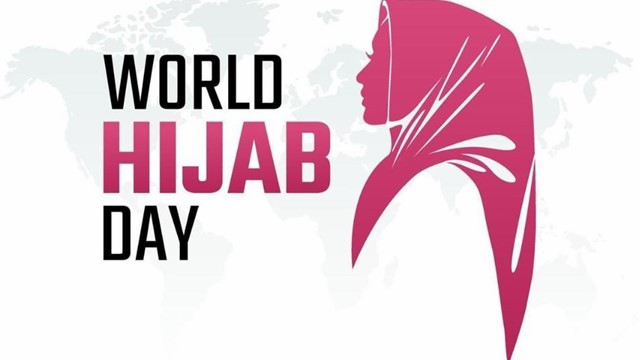
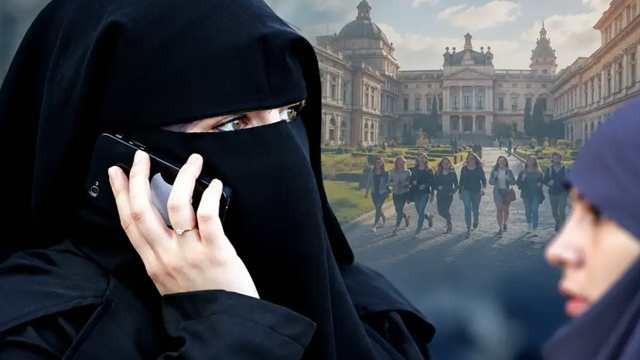
Every year on February 1, countries around the world—including Bangladesh—observe World Hijab Day. Celebrated in nearly 190 countries, this day is more than a calendar mark; it is a celebration of women’s freedom to choose their faith, their identity, and their dignity.
The hijab is not just a piece of cloth. It is a symbol of self-expression, belief, and respect. World Hijab Day aims to honor Muslim women who wear the hijab while educating women of other faiths and cultures about the experience and significance of wearing it.
The Meaning and Origin of the Hijab
The word hijab in Arabic literally means veil, cover, or barrier, but in Islamic terms, it encompasses much more than clothing—it represents modesty in behavior, gaze, and mindset.
The Quran instructs:
"O Prophet! Tell the believing women to restrain their gaze and guard their modesty, and not display their beauty..." (Surah An-Nur, 24:31)
Another verse adds:
"O Prophet! Tell your wives, daughters, and believing women to draw their cloaks over themselves; that is so they may be recognized and not harassed." (Surah Al-Ahzab, 33:59)
According to Imam Ibn Kathir (RA), these directives protect women’s honor and identity, shielding them from disrespect or ridicule.
Historically, wearing the hijab has been a religious obligation for Muslim women in the presence of non-mahram men. Yet in daily life, many also adopt it as a cultural or social practice. The vast majority, however, wear it as a matter of faith and worship. Aisha (RA) narrated:
"After the revelation of the verse of hijab, the women of Ansar covered their heads and bodies with their cloaks." (Sahih Bukhari, Hadith 4758)
This shows that hijab is not a modern social addition; it has been part of Muslim women’s identity since the earliest generation of Islam.
The Birth of World Hijab Day
World Hijab Day began on February 1, 2013, thanks to Nazma Khan from New York City. Experiencing discrimination for wearing the hijab—especially in the post-9/11 era—she launched this initiative to raise awareness, empathy, and religious tolerance. Her goal: for women of different faiths to wear a hijab for at least one day and experience the realities faced by Muslim women.
Hijab: Beyond Clothing
Imam Ghazali (RA) explains:
"Hijab does not only restrain the eyes; it also disciplines the heart." (Ihya Ulum al-Din, 2/53)
World Hijab Day is therefore not merely a religious observance—it is a humanitarian appeal. It reminds us that true freedom means allowing women to live according to their beliefs. Choosing to wear the hijab is a woman’s right, and respecting that choice reflects a civilized society.
Today, the hijab stands as a quiet protest—against hate, misconceptions, and the imposition of a one-dimensional idea of freedom. World Hijab Day is the celebration of that protest, a reaffirmation of dignity, faith, and choice.