১০ কার্তিক ১৪৩৩



Mystery Surrounds Overnight Explosions in Iran as US Denies Involvement, Israel Says Conflict Not Over
11 July 2026 05:07 AM
NEWS DESK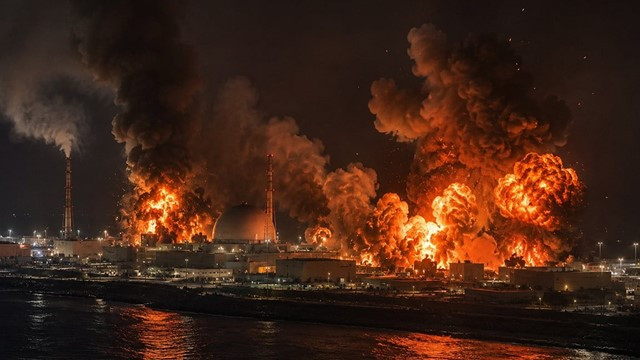
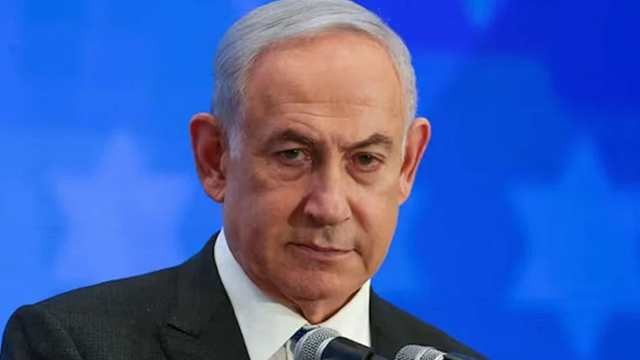
Multiple explosions were reported overnight in several parts of Iran, prompting speculation over their cause. While Iran's semi-official media confirmed the incidents, the United States military denied any involvement, and Israeli Prime Minister Benjamin Netanyahu said the conflict with Iran is "not over."
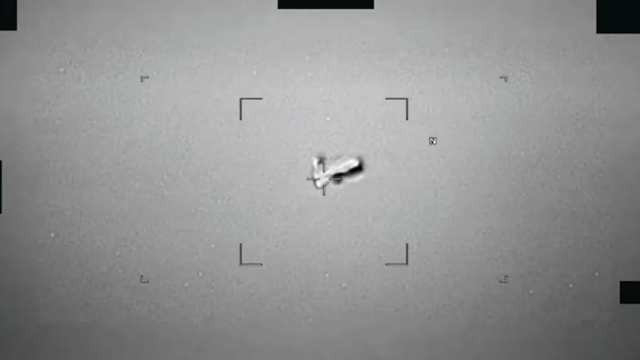
According to Mehr News Agency, explosions were heard late Thursday night in the southern city of Bushehr, home to Iran's nuclear power plant, as well as in the nearby town of Choghadak. Three additional explosions were also reported in the southern city of Konarak.
Shortly afterward, the US Central Command (CENTCOM) said it had not carried out any strikes inside Iran in recent hours, rejecting suggestions of American involvement.
Iranian authorities have not provided details on the exact cause of the explosions or reported any casualties. Mehr News Agency also withdrew an earlier report claiming an explosion had occurred in the southern port city of Bandar Abbas.
Ehsan Jahanian, deputy governor of Bushehr for political and security affairs, told the state-run IRNA news agency that the explosion sounds were caused by the activation of Iran's air defense systems. He said a projectile had struck a military headquarters on the outskirts of Bushehr.
The latest developments come amid heightened regional tensions. The United States and Iran have exchanged strikes since Tuesday, while Iran has also launched attacks targeting military facilities in Qatar, Bahrain, and Kuwait, placing additional strain on a fragile ceasefire reached in mid-June.
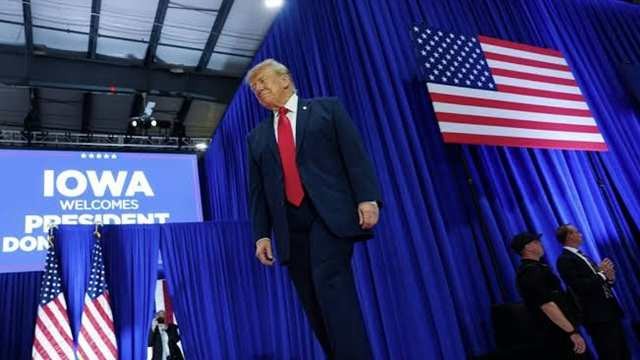
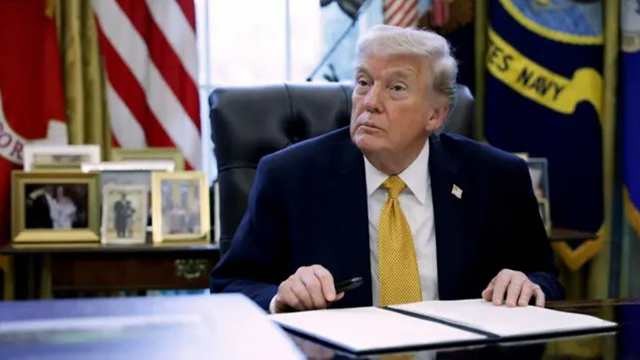
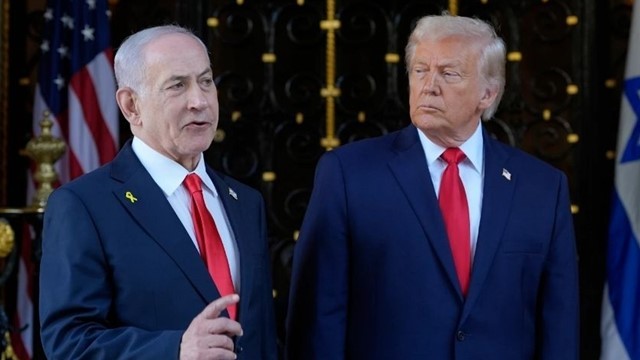
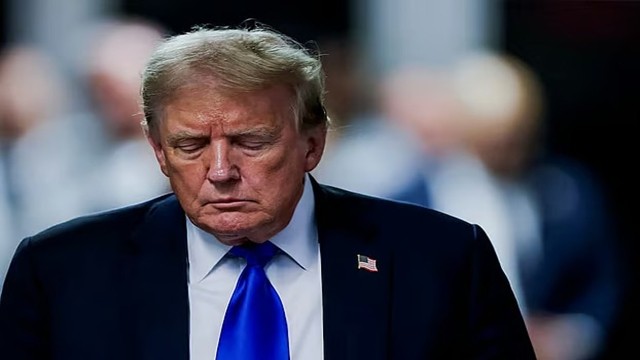
Following the reports from Iran, Israeli Prime Minister Benjamin Netanyahu said he had spoken by phone with US President Donald Trump, with both leaders agreeing to continue close coordination on regional issues.
According to a statement from Netanyahu's office, Trump also briefed him on recent US actions in the Gulf region.
Speaking earlier at an Israeli Air Force graduation ceremony at Hatzerim Airbase, Netanyahu said the conflict with Iran was "not over" and warned that new challenges lay ahead. He said maintaining Israeli air superiority remains a cornerstone of the country's national security strategy in an increasingly unstable Middle East.
Israeli Chief of Staff Lt. Gen. Eyal Zamir also indicated that military operations against Iran could continue, saying new operational plans were already in place and urging the public to remain prepared for possible future actions.
Defense Minister Israel Katz echoed that position, saying the Israeli military was ready to launch further strikes against Iran if necessary. He said Israel would seek to re-establish air superiority and, if required, carry out additional operations to eliminate perceived threats.
Regional tensions escalated earlier this week following reported Iranian attacks on commercial vessels transiting the Strait of Hormuz. Several ships, including vessels linked to Qatar and Saudi Arabia, were reportedly targeted while sailing near the Omani coast.
Iran has insisted that vessels use routes closer to its coastline, while the Gulf Cooperation Council (GCC) condemned attacks on commercial shipping and the territories of Gulf states in a joint statement.
The dispute reflects broader differences between Washington and Tehran. President Trump has called for the rapid restoration of normal shipping through the Strait of Hormuz to help stabilize global energy markets ahead of the US midterm elections. Iran, however, has opposed any move it believes would reduce its influence over the strategic waterway.
Following the reported attacks on commercial shipping, Trump described Iran's leadership as "dirty people" and said a memorandum of understanding between the two countries was effectively no longer valid, although neither side has formally withdrawn from the agreement.
Trump has also indicated that there may still be room for continued diplomatic engagement, though the future of any negotiations remains uncertain. Meanwhile, Washington has revoked a significant sanctions waiver related to Iran's oil exports, a move expected to have further economic consequences for Tehran.