২৮ আশ্বিন ১৪৩৩



Iran Proposes 5-Year Nuclear Pause as U.S. Pushes for 20-Year Halt Amid Rising Tensions
15 April 2026 06:04 AM
NEWS DESK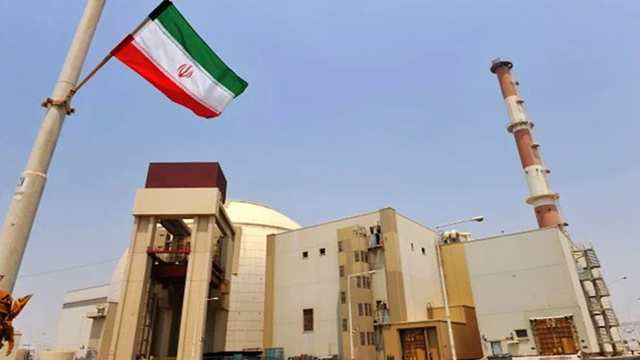
Iran has proposed suspending its uranium enrichment program for five years, while the United States is insisting on a much longer freeze of at least 20 years, according to senior officials from both sides.
The proposals were discussed during recent talks held in Pakistan, where representatives from Washington and Tehran presented their positions on halting Iran’s nuclear activities. Despite the exchange, significant differences remain, leaving negotiations at an impasse.
However, officials believe the discussions could pave the way for a potential peace agreement, with the possibility of a second round of talks in the near future. The White House has not yet issued an official statement on the matter.
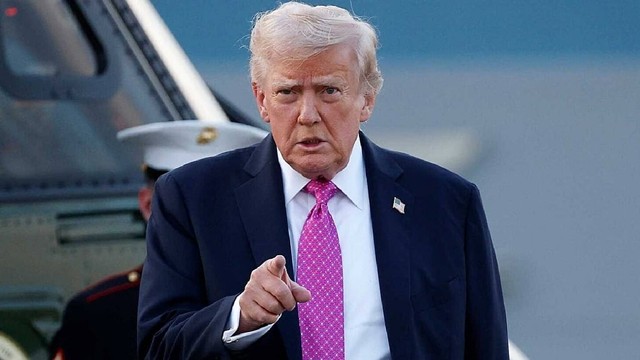
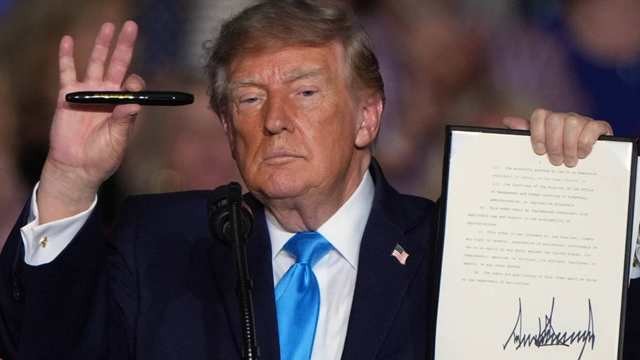
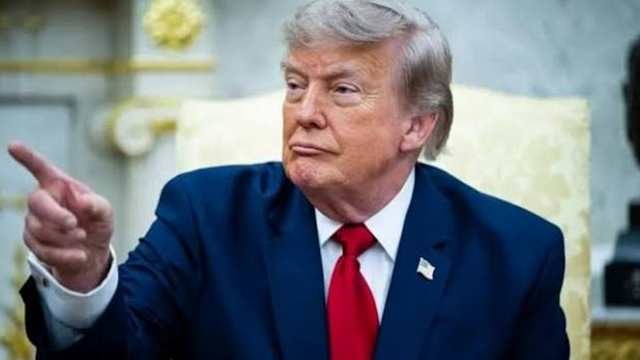
U.S. President Donald Trump reiterated his firm stance, warning that the United States would ensure “at any cost” that Iran never acquires nuclear weapons.
Tensions between the two countries have escalated sharply on both economic and military fronts. As announced by Trump, a U.S. naval blockade of Iranian ports began on Monday.
Earlier in the conflict, Iran closed the Strait of Hormuz—one of the world’s most critical oil transit routes—causing major disruptions to the global economy. U.S. Vice President JD Vance described the move as “economic terrorism,” warning that Iran’s ships could also be prevented from leaving ports if such actions continued.
The U.S. military has stated that it will not obstruct vessels from other countries using the Strait. Shipping data indicated that at least one oil tanker successfully passed through the route on Tuesday from the United Arab Emirates to China.
Meanwhile, Iran’s ambassador to the United Nations condemned the naval blockade as a serious violation of the country’s sovereignty.
In another regional development, officials from Lebanon and Israel are set to hold direct talks in the United States for the first time in decades, a move widely seen as significant for easing tensions in the region.