১০ আশ্বিন ১৪৩৩



Oil Prices Surge After Trump Rejects Iran’s Peace Proposal
12 May 2026 05:05 AM
NEWS DESK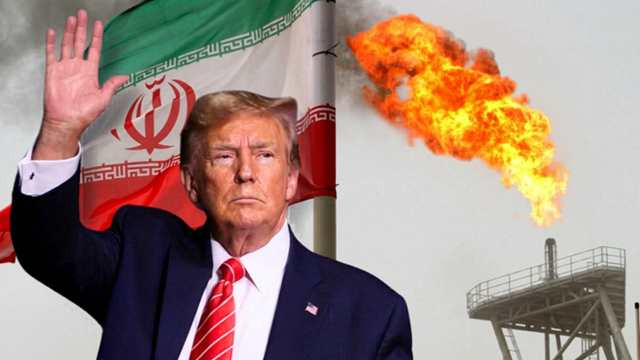
Global oil prices jumped sharply on Monday after US President Donald Trump swiftly rejected a peace proposal submitted by Iran, raising fears that the 10-week-long conflict in the Middle East could drag on and further disrupt shipping through the strategically vital Strait of Hormuz.
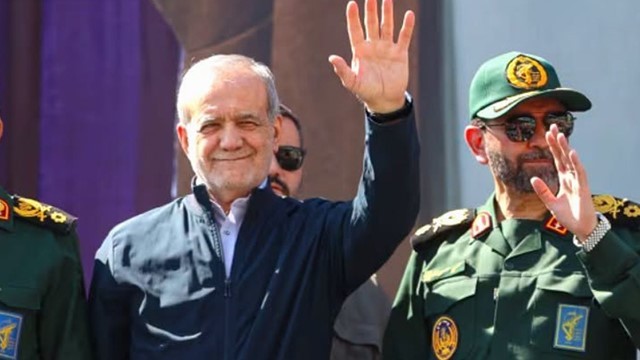
According to a report by Reuters, Washington had recently put forward a proposal aimed at reopening diplomatic talks and easing tensions. Tehran formally responded to the proposal on Sunday, emphasizing the need for an immediate halt to military operations across all fronts — particularly in Lebanon, where the Iran-backed Hezbollah group has been engaged in conflict with Israel, a key US ally.
Iranian state television reported that Tehran also demanded compensation for war-related damages and reaffirmed what it described as Iran’s sovereign rights over the Strait of Hormuz.
Meanwhile, Iran’s semi-official Tasnim News Agency said Tehran called on the United States to lift naval blockades, provide guarantees against future attacks, remove sanctions, and end restrictions on Iranian oil exports.
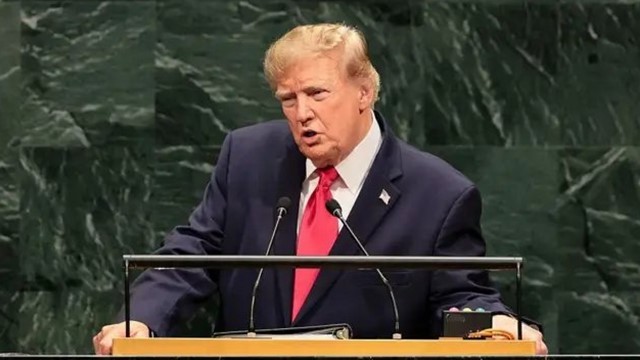
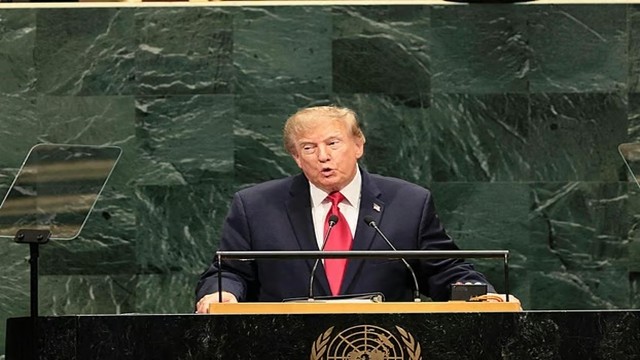
Just hours later, Trump publicly dismissed the proposal in a post on his social media platform, Truth Social.
“I didn’t like it. Totally unacceptable,” Trump wrote, without offering further details.
The US proposal had reportedly suggested an initial ceasefire, followed by broader negotiations over disputed issues, including Iran’s nuclear program.
News of the continued deadlock immediately affected global energy markets. In early trading on Monday, crude oil prices rose by nearly $3 per barrel amid growing concerns that the Strait of Hormuz could remain effectively blocked.
Before the conflict began, nearly one-fifth of the world’s oil supply passed through the narrow waterway, making it one of the most critical global energy routes. The ongoing tensions have now turned the strait into one of the central pressure points of the conflict.
The crisis is also creating political pressure inside the United States. Recent polls suggest the war is unpopular among American voters, particularly as rising fuel prices increase economic concerns ahead of the US midterm elections, now less than six months away.
Political analysts say the outcome of the elections could determine whether Trump’s Republican Party maintains control of Congress.
Internationally, Washington has struggled to build broader support for its position. Several NATO allies have reportedly refused calls to deploy naval forces to reopen the Strait of Hormuz without a comprehensive peace agreement and an international mandate.
What diplomatic or military steps may come next remains unclear.
Trump is also scheduled to visit Beijing on Wednesday, where the conflict and the growing global energy crisis are expected to feature prominently in discussions with Chinese President Xi Jinping.