[email protected]
রবিবার, ১ নভেম্বর ২০২৬
১৭ কার্তিক ১৪৩৩
১৭ কার্তিক ১৪৩৩

Sunday, 1st November 2026


Trump Reinstates Two Canceled Campaign Rallies After Backlash Over Schedule Changes
01 November 2026 00:11 AM
NEWS DESK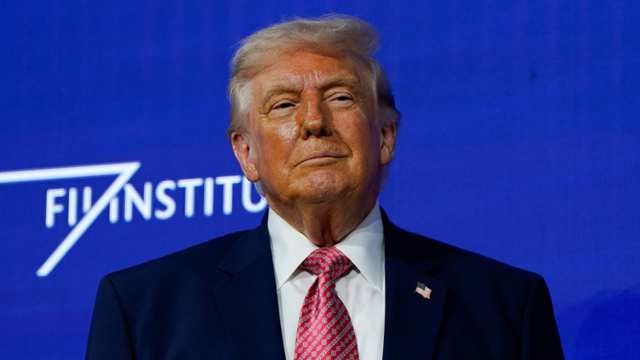
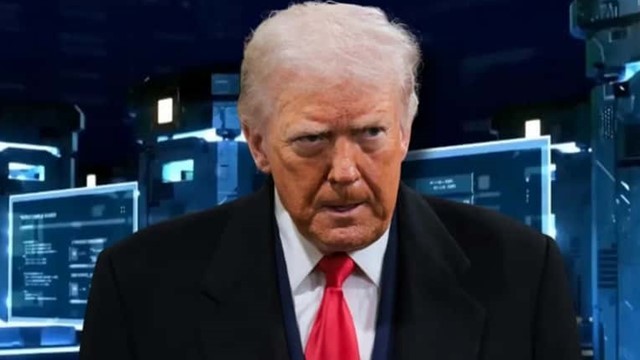
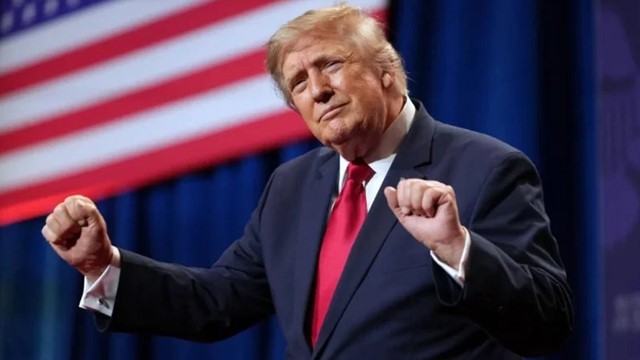
Although Donald Trump is not a candidate in the US midterm elections, he has been campaigning extensively to help Republican candidates retain control of Congress. Trump understands that a Democratic takeover of Congress could significantly constrain his ability to pursue his agenda during the remaining two years of his presidency.
However, his campaign team recently canceled two scheduled rallies in an apparent effort to ease the burden of his demanding campaign schedule. Following negative media coverage of the cancellations, Trump reversed course and decided to attend both events in person.
On Thursday, while traveling to South Carolina to attend what was his 25th midterm campaign rally of the month, Trump and his political team decided that he would deliver his closing remarks remotely by telephone instead of attending a rally in Kansas. A few hours later, another scheduled rally in Iowa was canceled under the same arrangement.
The sudden decision marked a dramatic shift in the president's final-week campaign strategy. Until then, Trump had relied heavily on a series of exhausting rallies in conservative states to energize Republican supporters.
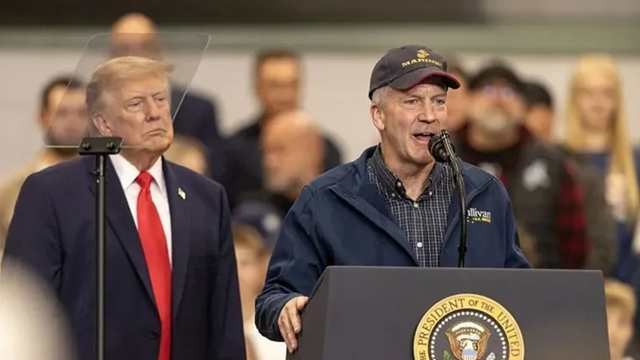
After returning from South Carolina, Trump told reporters that he did not believe he needed to travel to Kansas because Republican Senator Roger Marshall was performing very well.
Some grassroots Republican campaign workers initially welcomed the decision. They were relieved that Trump would participate in telephone rallies instead of appearing in person, as such events generally follow prepared remarks and reduce the likelihood of him making off-topic or controversial statements.
“Thank God. He wasn't having that much of an impact anywhere,” a senior Republican official said regarding the cancellation of the two events.
But the decision lasted less than 24 hours. Both the Kansas and Iowa rallies were reinstated and rescheduled for Sunday.
The apparent end of Trump's intensive campaign tour, which White House officials had hinted at, suddenly gave way to renewed campaign activity.
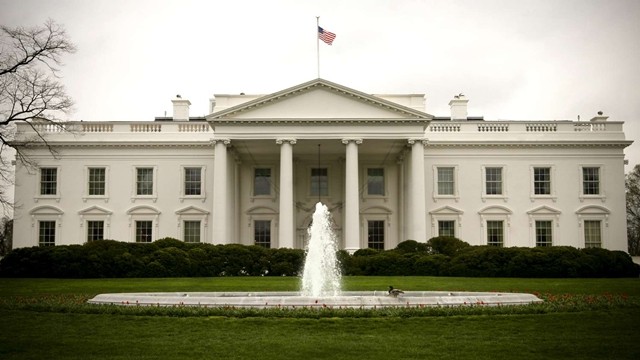
Speaking at the White House on Friday afternoon, Trump said friends in Kansas and Iowa had called him and urged him to reconsider canceling the events.
“We have some seats that are very important. They said if you go in person, it's going to be much more effective than a tele-rally. I tried to explain to them and said, how about doing a tele-rally? But they asked me to come. So I'm going to do both rallies on Sunday,” Trump said.
He also noted that the events had been moved to Sunday because of college football games scheduled for Saturday afternoon.
White House officials said the original schedule changes were intended to give Trump more time to participate in virtual campaign events. However, people familiar with the discussions told CNN that the president had become irritated by media coverage of the cancellations.
His frustration reportedly became evident when he returned from South Carolina and reacted angrily to a reporter who asked why the rallies had been canceled.
Asked whether he was becoming tired or unwell from campaigning, Trump responded sharply: “You've been following me around for two weeks. I'm in perfect shape.”
He also mocked the reporter, suggesting that the journalist looked “absolutely exhausted.”
According to people familiar with the matter, Trump personally directed his team to reinstate the canceled rallies. Campaign staff members who had just removed the events from the schedule were forced to scramble to put them back.
A statement confirming the reversal declared: “The rallies are back!”
The episode highlights how heavily Republican midterm campaign efforts have become tied to Trump's personal decisions, whether it involves endorsing preferred candidates or staging large rallies in his distinctive political style. Such events sometimes drift away from the central political issues and the campaign messages of the candidates they are intended to support.
Even some Republican candidates have struggled to adjust to the situation.
After news broke Thursday that the Kansas rally had been canceled, Senator Roger Marshall told reporters: “I think I'm doing so well in the polls that maybe there's a better place for him to spend his time.”
Trump's advisers, however, insist that demand for the president's campaign appearances remains strong. One adviser told CNN that Republican campaign organizations have been repeatedly contacting the president's political team, requesting visits to their states during the final push before Tuesday's election.
Trump's officials had originally defended the cancellation of the in-person events on the grounds that virtual rallies would allow him to use his time more efficiently by supporting candidates across multiple states.
By Thursday evening, Trump's campaign team announced that the president would headline virtual events in 19 states to energize voters, increase turnout, and help secure Republican victories.
The shift toward virtual campaigning was welcomed by some Republicans. During the 21-hour period when the in-person rallies were canceled, several Republican operatives in key battleground states quietly expressed relief that Trump's campaign entourage would no longer be visiting their states.
Some pointed out that telephone rallies were less likely to feature the president's occasional digressions into unrelated subjects, which had increasingly become a feature of his large campaign events.
These included his claims about passing cognitive tests, discussions about a proposed White House ballroom, and comments about the physical appearances of various Republican men.
One Republican official said Trump's rallies were consuming valuable time during the final stretch of the campaign, when Republican organizers could instead be focusing on door-to-door canvassing, direct voter outreach, and other efforts to bring supporters to the polls.
People who have spoken with Trump said that during the final weeks of the campaign, he occasionally pushed his aides to arrange additional campaign trips.
He reportedly felt energized by the enthusiastic crowds that gathered to see him in deeply conservative districts and was encouraged by friends and advisers who told him that his presence was directly boosting Republican enthusiasm.
However, the same sources said Trump had also complained at other points during the month-long campaign blitz about the exhausting and relentless travel schedule, which required him to visit different cities almost every day.
Many of the rallies were held in college arenas and civic centers that appeared relatively small or less impressive compared with the packed stadiums he had drawn during his own presidential campaigns.
Trump has increasingly expressed frustration, both privately and publicly, about how much work he is having to put in during the final stretch of an election in which he is not personally running.
The president has traveled to nearly every state with a competitive Senate race, except Maine, visiting some states more than once. Although the White House's initial decision to cancel the weekend trips across the Midwest generated considerable media attention, it prompted relatively few complaints from loyal Republicans.
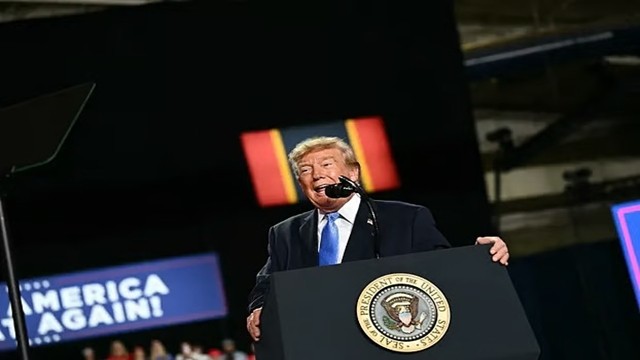
Including the reinstated Sunday events, Trump has headlined a total of 28 campaign rallies since the beginning of October. He has acknowledged that the schedule has been extremely demanding and has taken a toll on his voice.
At a rally in Kentucky earlier this month, Trump said:
“I don't have to do this. But I have to do it because if they (Democrats) win this midterm election, you're going to suddenly see a disaster, and all the garbage and nonsense we talk about will come back. That's why I'm out here working my heart out for you.”
Advertisement