২৫ কার্তিক ১৪৩৩



Trump Admits US Immigration Crackdown Became ‘Too Harsh’
09 November 2026 18:11 PM
NEWS DESK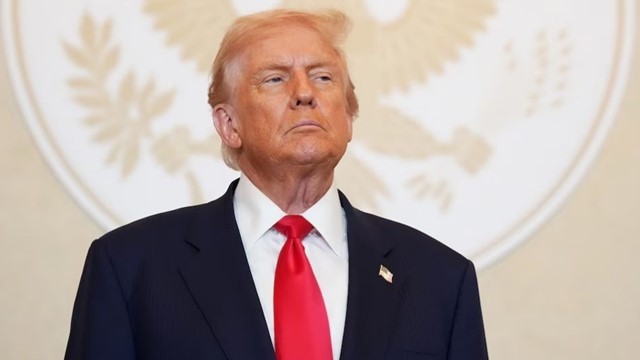
US President Donald Trump has acknowledged that his administration's policy of deporting immigrants became “too harsh”, particularly in cases involving people who have lived in the United States for a decade or longer.
In an interview with CBS's 60 Minutes, Trump said his administration's immigration crackdown had both helped and hurt his Republican Party politically. The interview came three days after the party suffered a major setback in the midterm elections.
Speaking with programme correspondent Ross Douthat, Trump appeared to signal a somewhat softer position on immigration enforcement.
Republican support declined significantly in several heavily Latino areas, including South Texas, where many voters had backed the party two years earlier. Many voters have attributed the decline in support to Trump's tough immigration policies.
During the interview, Trump gave his administration an “A-plus” for closing the border and said it had received very high marks for deporting criminals.
However, he acknowledged that the immigration crackdown had also carried political costs.
“We've also taken some people out who had good jobs, who violated one law. And the law they violated was coming into our country illegally,” Trump said.
He noted that a significant portion of the American public believes undocumented immigrants should be deported, while another large segment thinks those who are law-abiding and employed in landscaping companies, hotels and other businesses should be allowed to remain.
He also pointed out that some of these immigrants pay taxes.
“I think it got too tough,” Trump said, adding that while some people would consider the policy a success, many others believed it had gone too far.
Trump also expressed willingness to reach an agreement with Democrats on immigration, as the party prepares to take control of both the House of Representatives and the Senate next year.
“I'd like to do something with them on immigration,” he said.
It remains unclear whether the Trump administration will change its immigration enforcement and deportation strategies.
On Friday, Trump removed White House Chief of Staff Susie Wiles and appointed Stephen Miller to replace her. Miller is widely regarded as one of the architects of Trump's hardline immigration policies.
Voter dissatisfaction with former President Joe Biden's immigration policies was among the factors that helped Trump win the 2024 presidential election. Many voters were particularly concerned about the rise in unauthorised crossings along the US-Mexico border.
Since returning to the White House, the Trump administration has significantly reduced illegal border crossings. At the same time, federal authorities have intensified arrests and deportations of immigrants within the country.
The number of people held in the custody of Immigration and Customs Enforcement (ICE) has reached record levels. Last year, Miller pushed the agency to set a target of arresting 3,000 people a day.
A substantial proportion of those arrested have no criminal records beyond violations of immigration law.
The Trump administration has repeatedly said its priority is to target the most dangerous criminals first. However, it has also maintained that anyone staying in the United States illegally could face arrest and deportation.
The administration's enforcement tactics have also drawn criticism and calls for investigations. Concerns include large-scale operations in cities such as Minneapolis, vehicle stops and searches, the treatment of detainees, and the deportation of some immigrants to countries other than their countries of origin.
Opposition to the policy has also emerged within the Republican Party.
In September, Congresswoman María Elvira Salazar of South Florida warned that many Hispanic voters who supported Trump in 2024 were now feeling betrayed.
A post-election voter survey found that 58 per cent of respondents believed the Trump administration had been too harsh on immigration.
However, when asked which party was better equipped to address immigration challenges, Republicans maintained a narrow lead over Democrats. Republicans received 43 per cent support, compared with 41 per cent for Democrats.
Despite the criticism, the Trump administration has continued to defend its immigration policies, arguing that enforcement operations are primarily aimed at individuals who pose threats to public safety.