৩১ ভাদ্র ১৪৩৩



Bangladesh-India Relations Remain Strained 100 Days Into New Government, Reports The Hindu
13 June 2026 16:06 PM
NEWS DESK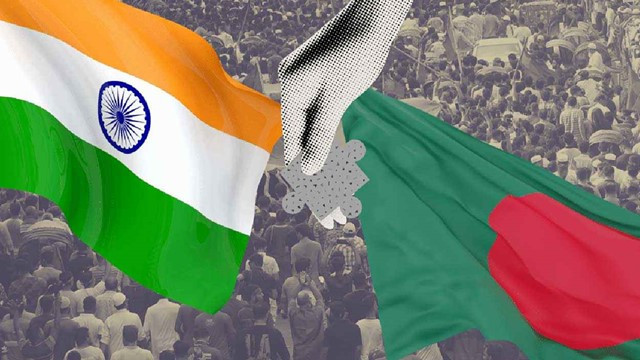
More than 100 days have passed since Bangladesh’s newly elected government led by Prime Minister Tarique Rahman assumed office, yet relations between Dhaka and New Delhi remain stagnant and complex, according to a special report published by The Hindu.
The report, published on Tuesday, says that the new government is dissatisfied with India’s approach on the ground, alleging that several restrictive and punitive measures introduced during the interim administration period in Bangladesh remain in place.
According to The Hindu, India had made two significant diplomatic overtures even before the February elections that brought Tarique Rahman to power.
It states that Indian External Affairs Minister S. Jaishankar visited Dhaka on 31 December last year, where he met Rahman while expressing condolences over the death of former Prime Minister Begum Khaleda Zia.
India’s Foreign Secretary Vikram Misri later reportedly delivered an official invitation from Prime Minister Narendra Modi for Rahman to visit India.
Additionally, Lok Sabha Speaker Om Birla attended Rahman’s swearing-in ceremony on 17 February, signaling early symbolic engagement between the two sides.
However, policy-making circles within the Bangladesh Nationalist Party (BNP) believe these gestures remain insufficient and largely ceremonial.
Influential BNP figures argue that India should have rolled back several measures imposed during the interim government of Dr. Muhammad Yunus as a goodwill gesture toward the newly elected administration.
These include the restoration of transshipment and transit facilities for Bangladeshi goods, the full resumption of visa services for trade, medical, and travel purposes, and the easing of restrictions on Bangladeshi exports to the Indian market.
The report notes that BNP leaders had attempted to ensure that Sheikh Hasina’s continued presence in India would not negatively affect bilateral ties. While the interim government under Yunus had insisted on her return as a key diplomatic issue, BNP reportedly adopted a more flexible stance.
Despite this, India has not responded with the level of policy adjustments Dhaka had anticipated, according to the report.
The report also highlights renewed political tensions in India’s eastern states. It says that election campaigns in West Bengal and political discourse in Assam have increasingly focused on the issue of so-called “illegal immigration” from Bangladesh, including allegations of pushbacks.
Bangladeshi diplomats, however, argue that Dhaka is more interested in addressing practical issues such as the renewal of the 1996 Ganges Water Treaty and the restoration of full visa services, rather than politically sensitive rhetoric.
High-Level Talks and Ongoing Frictions
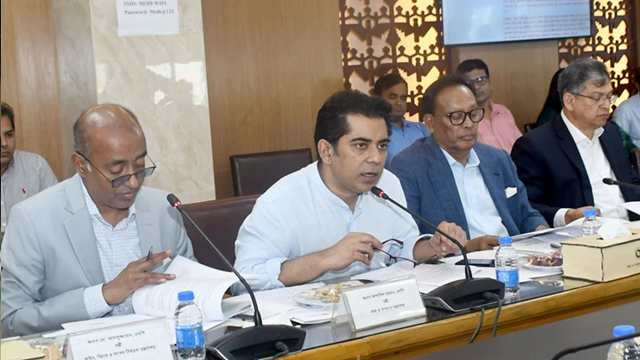
Bangladesh Foreign Minister Khalilur Rahman recently held meetings with Indian National Security Adviser Ajit Doval and External Affairs Minister S. Jaishankar on April 7 and 8 in an effort to ease tensions and assess bilateral relations.
However, according to the report, political rhetoric in India’s eastern states has continued, including critical statements during election campaigns and media circulation of audio-visual messages involving former Prime Minister Sheikh Hasina from abroad.
A senior Bangladeshi diplomat quoted by The Hindu expressed frustration, alleging that assurances given by India during the election period regarding the limited impact of state-level rhetoric on national foreign policy have not been fully honored. The diplomat described current developments around migration-related issues as a form of “betrayal.”
In light of what it perceives as limited cooperation from India, the report says the government of Prime Minister Tarique Rahman is now reassessing its foreign policy priorities.
Rather than relying heavily on stalled engagement with India, Dhaka is reportedly preparing to diversify its diplomatic outreach, with high-level visits to Malaysia and China expected in the near future.
According to The Hindu, this shift reflects Bangladesh’s attempt to broaden its strategic and economic partnerships amid ongoing uncertainty in its relationship with India.