২৩ আশ্বিন ১৪৩৩



ADB Sees Bangladesh’s Economy Gradually Recovering in FY2026-27, Warns of Persistent Risks
10 July 2026 04:07 AM
NEWS DESK
Bangladesh's economy is expected to move gradually toward recovery in the 2026-27 fiscal year, although the pace of improvement is likely to remain moderate due to persistent inflation, weaknesses in the banking sector, energy shortages and global economic uncertainty, according to the Asian Development Bank (ADB).
In its updated Asian Development Outlook (ADO) released on Thursday, the ADB forecast Bangladesh's gross domestic product (GDP) growth at 4.5 percent for the current fiscal year. The projection is higher than the estimated 3.7 percent growth recorded in the previous fiscal year but remains well below the country's historical growth rates.
The report said economic growth slowed more than expected last fiscal year due to elevated inflation, weak export performance, stagnant private investment, constraints in energy supply and an unfavorable global economic environment.
The ADB expects economic activity to improve this fiscal year, supported by easing inflationary pressures, reforms to simplify business regulations, improvements in governance, tax administration reforms and continued growth in remittance inflows.
However, the lender cautioned that the recovery is likely to be gradual rather than rapid. It identified weaknesses in the banking sector, continued energy supply constraints and Bangladesh's limited competitiveness in international markets as major obstacles to stronger growth.
While leaving its GDP growth forecast unchanged, the ADB revised upward its inflation outlook. In its April forecast, the bank projected average inflation of 8.5 percent for FY2026-27. In the latest update, it raised the estimate to 8.8 percent.
According to the report, inflation is expected to decline more slowly than previously anticipated due to higher prices for fuel, gas and electricity, rising transportation costs, exchange rate pressures and persistent price increases in food and services.
ADB Bangladesh Resident Mission Officer-in-Charge Akira Matsubaga said strong remittance inflows and the resilience of the services sector continue to support Bangladesh's economy despite challenging domestic and global conditions.
He stressed that maintaining macroeconomic stability, improving the investment climate, strengthening governance in the financial sector and effectively implementing reforms in the energy and infrastructure sectors would be essential to achieving sustainable long-term economic growth.
The report also warned that an escalation of conflict in the Middle East could drive up global energy prices and transportation costs, creating additional inflationary pressures and increasing strain on Bangladesh's external balance.
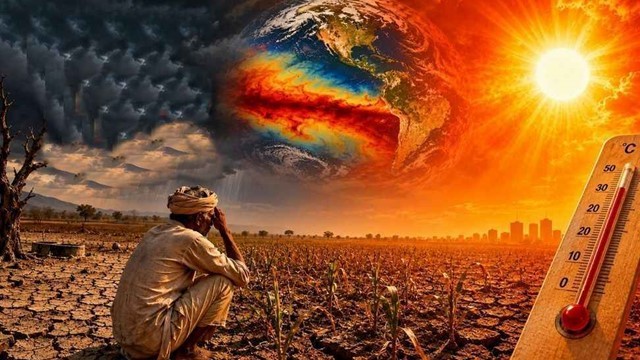
In addition, the ADB identified new global trade tariffs or restrictions, slower growth in key export markets, tighter external financing conditions and climate change-related risks as significant challenges facing Bangladesh's economy in the coming months.