[email protected]
বৃহঃস্পতিবার, ৮ অক্টোবর ২০২৬
২৩ আশ্বিন ১৪৩৩
২৩ আশ্বিন ১৪৩৩

Thursday, 8th October 2026


UK Aid Cuts Threaten Major Climate Project in Bangladesh’s Sundarbans
25 August 2026 05:08 AM
NEWS DESK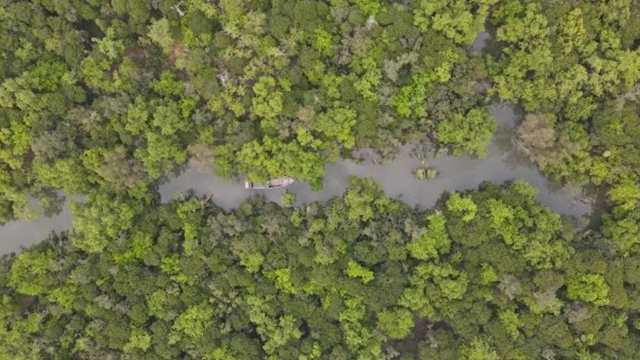
A major climate resilience project in Bangladesh’s Sundarbans is being brought to an end two years earlier than planned as the United Kingdom cuts its overseas aid spending, raising concerns that thousands of vulnerable people in the region could lose vital support.
The UK-based development organisation Practical Action has been implementing part of the project in the Sundarbans since 2023. The initiative was originally scheduled to continue until 2028 and has supported communities with solar power, climate-resilient farming, fish-farming technologies and early-warning systems for heavy rainfall and cyclones.
Practical Action’s current NABAPALLAB project in the Sundarbans is supported by the UK’s Foreign, Commonwealth and Development Office (FCDO) and is officially scheduled to run from October 2023 to September 2026. It targets vulnerable communities in Dacope, Koyra and Paikgachha in Khulna.
According to The Independent, Practical Action was informed in April that the project would have to end in June. Following lobbying, the deadline was later extended to September.
The organisation was expected to receive £2.2 million for the project through 2026, but received significantly less than anticipated. As a result, its target of reaching 57,000 people this year has been reduced to around 37,000.
The funding cuts are part of a broader reduction in Britain’s international aid spending. The UK government has reduced its aid budget from 0.5 per cent to 0.3 per cent of gross national income, while shifting its approach from traditional grant-based aid towards partnerships, investment and technical support.
UK climate finance is also being substantially reduced. The government has said climate finance will total around £6 billion over three years, compared with £11.6 billion over the previous five-year period.
The reduction in funding could disrupt longer-term efforts to help vulnerable communities adapt to worsening climate conditions in the Sundarbans.
Practical Action officials have warned that coastal communities are already facing stronger storms and cyclones, rising sea levels and increasing soil salinity, while opportunities to secure funding for climate adaptation are becoming more limited.
The project has also supported local entrepreneurs. Around 140 entrepreneurs received grants of 50,000 taka each along with initial training. With the project ending early, some of these businesses and livelihood initiatives could struggle to continue.
Practical Action says its work in the Sundarbans focuses on nature-based and climate-resilient solutions, including farming practices suited to saline and water-scarce conditions, sustainable fish and livestock production, renewable energy and improved climate information services. The organisation's project documentation says the broader initiative aims to support tens of thousands of households in vulnerable coastal areas.
The UK government, meanwhile, has defended its new aid strategy, saying it is moving away from a donor model towards partnerships with governments and greater mobilisation of private investment. Officials have also maintained that Britain remains committed to tackling climate change despite the funding reductions.
For communities living on the edge of the Sundarbans, however, the early withdrawal of funding could mean losing support at a time when the impacts of climate change are becoming increasingly severe.
Advertisement