৩ কার্তিক ১৪৩৩



India Finally Gets Russian Combat Submarine, $2 Billion Deal Underway
05 December 2025 08:12 AM
NEWS DESK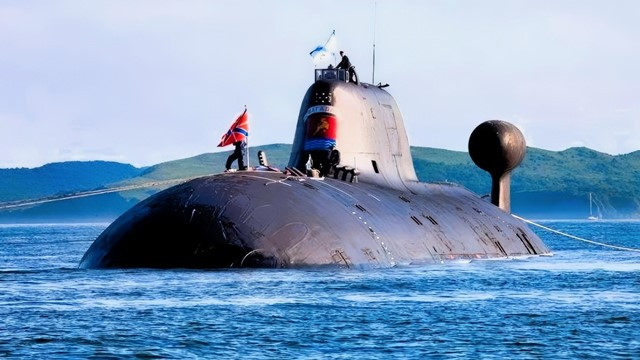
India has finalized a long-pending agreement with Russia to lease a nuclear-powered attack submarine for about $2 billion, according to people familiar with the development. The conclusion of the deal comes just days before Russian President Vladimir Putin arrives in New Delhi for a high-profile visit aimed at reaffirming defence and energy ties between the two long-time partners.
The agreement marks a major step forward in India’s efforts to strengthen its underwater capabilities at a time when the strategic environment in the Indo-Pacific continues to evolve rapidly.
For nearly ten years, talks on leasing the submarine were stuck on multiple issues—particularly pricing. Officials on both sides repeatedly tried to revive discussions, but negotiations kept slowing down or halting altogether.
According to people aware of the details, Indian officials visited a Russian shipyard in November, signalling that talks had reached their final stage. The two sides have now reached a consensus on the cost and technical parameters of the lease.
India expects to receive the submarine within two years, though officials privately admit that delays are possible due to the complexity of the project. Nuclear-powered submarines require extensive safety checks, crew training, and integration work before they can be deployed.
India already operates a limited number of nuclear-powered submarines. Leasing an additional vessel from Russia will help bridge capability gaps until India completes its own indigenous nuclear submarine programs, which are progressing but still need time.
Such submarines provide major strategic advantages. They can stay underwater for extended periods, move silently, and carry a range of weapons. In a region where China has been rapidly expanding its naval presence, India sees this as an important step in maintaining balance under the broad umbrella of its “strategic autonomy.”
Putin is scheduled to land in New Delhi on Thursday, marking his first visit to India since Russia launched its full-scale invasion of Ukraine. His meeting with Prime Minister Narendra Modi is expected to send a strong signal that both countries continue to value their partnership despite global tensions.
Russia remains a key supplier of weapons, energy and strategic technology to India. While Western nations have sharply reduced engagement with Moscow, India has taken a more independent path criticising civilian casualties in Ukraine while continuing trade and defence cooperation.
In recent months, Modi has made a visible push to deepen ties not only with Russia but also with China, underlining his government’s commitment to a multi-aligned foreign policy.
This comes against the backdrop of a tariff dispute with the United States. Earlier this year, US President Donald Trump imposed 50% punitive duties on a range of Indian goods. Washington has been pressuring India to cut its purchases of discounted Russian oil a key source of revenue for Moscow in an attempt to weaken Russia’s position in the Ukraine conflict.
India has so far resisted that pressure, saying its energy decisions are driven by national interest. Meanwhile, negotiations are underway between India and the US to ease the newly imposed tariffs and stabilize trade relations.
The submarine deal, finalised just before Putin’s visit, is likely to be showcased as a reminder that India and Russia continue to collaborate on high-value, long-term projects. For India, it reinforces defence readiness and strategic independence. For Russia, it signals that its old partners are not abandoning it despite global geopolitical shifts.
As Putin arrives in New Delhi, both sides appear ready to reaffirm a partnership shaped over decades—now adapting to a rapidly changing world.