৪ আশ্বিন ১৪৩৩


US to Phase Out HIV/AIDS Funding in South Africa Amid Diplomatic Tensions
21 June 2026 04:06 AM
NEWS DESK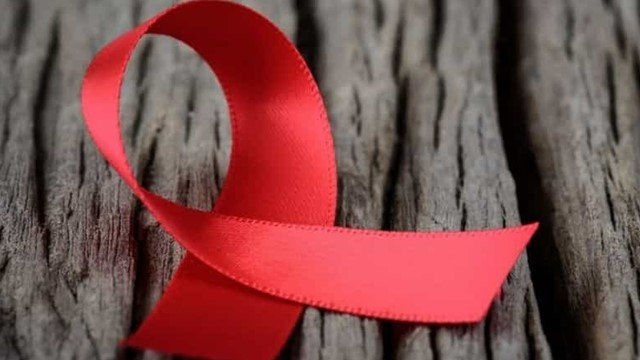
The United States has announced plans to gradually phase out funding for HIV/AIDS programs in South Africa, a move that could significantly impact one of the world's largest HIV treatment and prevention efforts.
South Africa is home to more than eight million people living with HIV, the highest number of any country globally. The decision has raised concerns among health experts, who warn that reducing support could lead to an increase in new HIV infections and undermine decades of progress in combating the epidemic.
The U.S. State Department said the decision was linked to what it described as South Africa’s failure to protect the white minority Afrikaner community. However, the South African government has rejected those allegations.
South Africa’s Department of Health stated that it had not been formally notified of the funding withdrawal. Officials added that the country has long been working toward a strategy of greater self-reliance in financing its HIV response.
According to U.S. State Department figures, the President’s Emergency Plan for AIDS Relief (PEPFAR) was launched in 2003 by former President George W. Bush. Over the past two decades, the program has partnered with health authorities in more than 50 countries, saving an estimated 25 million lives and preventing millions of new HIV infections.
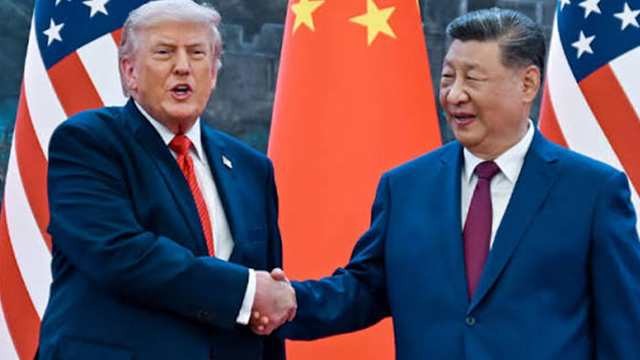
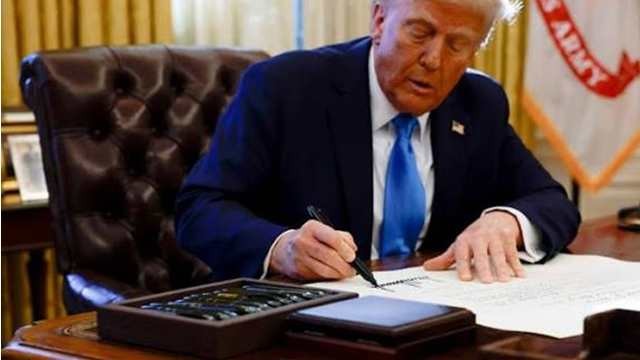
In an executive order issued in February last year, U.S. President Donald Trump accused South Africa of enabling discrimination against white Afrikaners. Since then, U.S. funding for South Africa’s HIV programs has been gradually reduced.
State Department officials told Semafor that South Africa had failed to make visible progress on policy issues requested by the administration, prompting Washington to move forward with plans to phase out PEPFAR support in the country.
The decision is part of broader efforts by the Trump administration to reduce federal government spending. Particular attention has been focused on South Africa, which has the world's largest population of people living with HIV.
Since 2003, the United States has provided more than $8 billion to support HIV treatment services and the distribution of medicines aimed at preventing the spread of the virus in South Africa. However, funding levels have already been cut by half over the past two years.
Earlier this month, South African President Cyril Ramaphosa announced that the country was working with Gilead Sciences to introduce lenacapavir, a twice-yearly HIV prevention drug. A generic version of the medication is expected to be manufactured and sold locally.
Health experts have expressed concern that the withdrawal of funding could result in a rise in HIV infections worldwide. Nevertheless, the Trump administration and some of its Republican allies in Congress argue that PEPFAR was never intended to be a permanent program and should eventually be phased out.
South Africa’s Health Ministry emphasized that while PEPFAR has contributed significantly to the country’s HIV response, funding for life-saving antiretroviral medicines has been provided through separate channels, with the majority of resources coming from the South African government itself.
The United States also boycotted the G20 summit hosted by South Africa last November, highlighting ongoing tensions between the two countries.