৪ আশ্বিন ১৪৩৩



Cuba Unveils Sweeping Market Reforms Amid Deepening Economic Crisis
21 June 2026 05:06 AM
NEWS DESK
Socialist Cuba has announced a series of major economic reforms aimed at expanding market freedoms and attracting investment as the country struggles with its worst economic crisis in decades.
On Thursday, Cuban lawmakers approved nearly 200 economic reform measures that significantly reduce state control over key sectors of the economy. The government hopes the changes will help revive growth, ease shortages, and stabilize the country's deteriorating economic conditions.
Addressing the National Assembly, Prime Minister Manuel Marrero outlined 176 reform initiatives designed to encourage domestic and foreign investment across sectors including banking, tourism, and agriculture.
Under the new measures, foreign investors will no longer be required to enter into joint ventures with the state. Large private companies will be allowed to operate legally, and both Cuban and foreign investors will be permitted to purchase shares in state-owned enterprises.
Economists have described the package as one of the most significant shifts in Cuba’s economic policy since the 1959 revolution.
“This represents one of the most important reforms undertaken since the revolution,” said London-based Cuban economist Daniel Torralbas. The measures were approved unanimously by the legislature, whose session concluded with President Miguel Díaz-Canel leading lawmakers in the slogan, “Socialism or Death.”
While Prime Minister Marrero did not provide a timetable for implementation, President Díaz-Canel said earlier this week that “urgent changes” were necessary to prevent further economic decline.
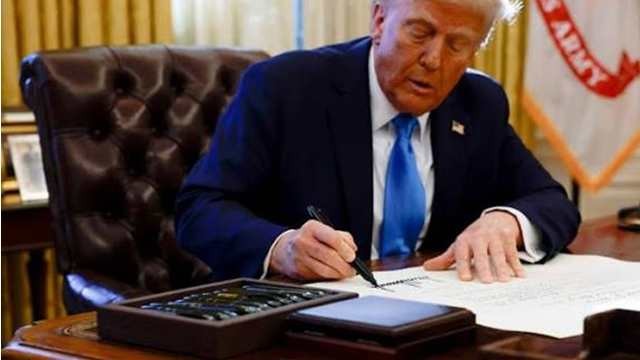
Cuba has faced mounting economic pressure in recent months amid worsening relations with the United States. President Donald Trump’s administration has imposed additional sanctions, including restrictions related to oil supplies. Cuban officials have long blamed U.S. sanctions for many of the country’s economic difficulties.
However, Díaz-Canel acknowledged that not all of Cuba’s problems stem from external pressure, noting that some structural obstacles are domestic in nature.
Michael Bustamante, Chair of Cuban Studies at the University of Miami, said the government appears to be under unprecedented pressure to modernize its economic model.
“They have never had their backs against the wall in quite this way,” he said. “They are being forced into uncomfortable decisions regarding the structure of their economy, particularly under pressure from the United States.”
Despite the reforms, Cuban leaders insist they are not abandoning socialism. Díaz-Canel has argued that the changes are necessary to preserve the socialist system rather than replace it.
The reforms come as ordinary Cubans face severe shortages of food, fuel, clean water, medicine, and electricity. In some parts of the country, power outages have reportedly lasted as long as 30 consecutive hours.
The humanitarian situation has also drawn international concern. United Nations High Commissioner for Human Rights Volker Türk recently warned that shortages of medical supplies and medicines were placing vulnerable groups, including children, at increased risk.
For many Cubans, the reforms are viewed as essential for the country's future. “Without reform, the revolution will not survive,” said 63-year-old banker Victor Hirezuelo.
Whether the changes will improve relations with Washington remains uncertain. U.S. Vice President JD Vance said this week that the United States wants the Cuban people to be “happy and successful” and confirmed that discussions are taking place regarding potential changes within Cuba.
At the same time, Washington has continued to increase pressure on senior Cuban officials. Last month, U.S. authorities formally charged former Cuban President Raúl Castro in connection with the 1996 downing of two civilian aircraft operated by a human rights organization.
As Cuba embarks on one of the most ambitious reform programs in its modern history, analysts say the success or failure of the measures could determine the future direction of the island nation’s economy and political system.