৪ আশ্বিন ১৪৩৩


Anti-Netanyahu Protests Intensify as US-Iran Dialogue Marks Major Diplomatic Shift
22 June 2026 04:06 AM
NEWS DESK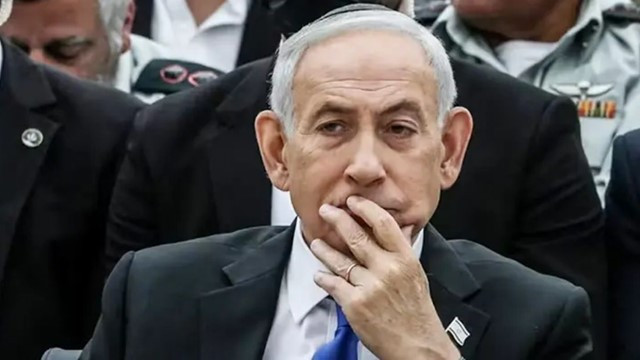
Demonstrations demanding the resignation of Israeli Prime Minister Benjamin Netanyahu and a change in government policy have once again erupted across several Israeli cities, with protesters accusing the premier of prolonging the war to preserve his political position.
The renewed wave of protests comes at a time when a significant diplomatic development is unfolding in the Middle East. Preparations have been completed for direct talks between the United States and Iran in Switzerland, raising hopes for a broader regional de-escalation after decades of hostility between the two countries.
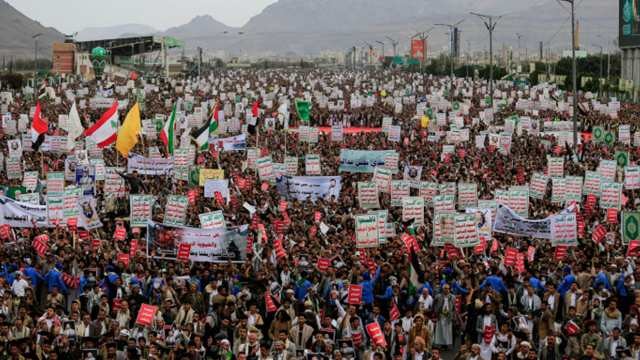
On Saturday, thousands of demonstrators took to the streets in Tel Aviv, Jerusalem, Haifa, and other locations across Israel.
More than a thousand people gathered at Tel Aviv’s Habima Square, one of the main centers of the anti-government protests. Among the speakers was Karmit Palti Katzir, who lost family members in the October 7 attacks. Expressing frustration with the government's handling of the conflict, she said that policy failures had resulted in the deaths of thousands and left many others physically and psychologically traumatized.
She accused Netanyahu of extending the war without pursuing a viable political solution and argued that the conflict was being prolonged primarily for political survival.
In Jerusalem, police reportedly confiscated sound equipment used by demonstrators near the prime minister’s residence in an effort to restrict the protest. Despite the move, public anger remained visible throughout the gathering.
Speaking at a rally in Haifa, former Israeli National Security Council deputy head Eran Etzion warned that calls for “national unity” ahead of future elections could be used to obscure deep political divisions and divert attention from ongoing governance challenges.
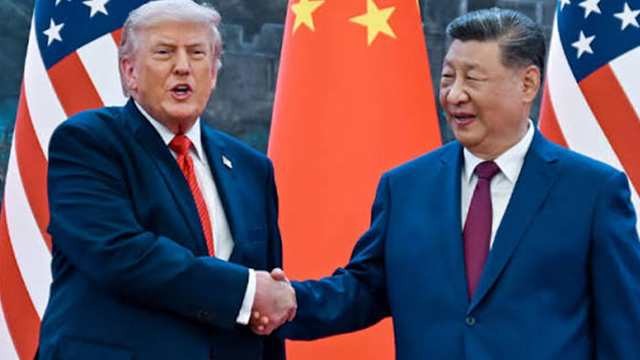
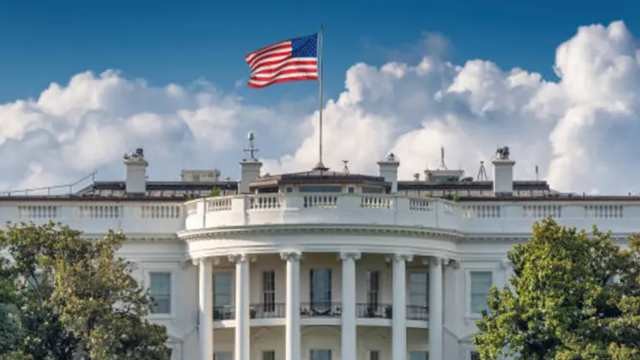
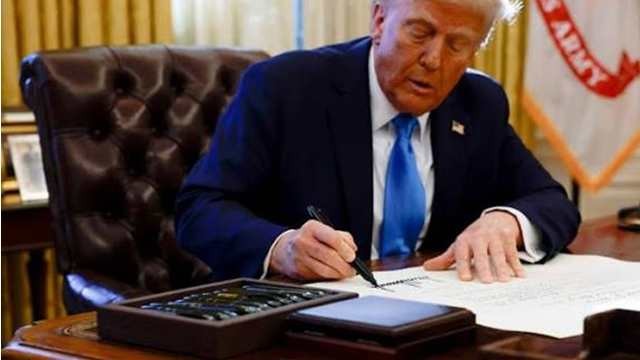
Meanwhile, developments on the diplomatic front have drawn international attention. Following the signing of the so-called “Islamabad Memorandum of Understanding” by US President Donald Trump and Iranian President Masoud Pezeshkian, a 60-day round of direct negotiations between Washington and Tehran is expected to begin in Switzerland.
If realized, the talks would represent one of the most significant diplomatic engagements between the two countries since diplomatic relations were severed in 1979.
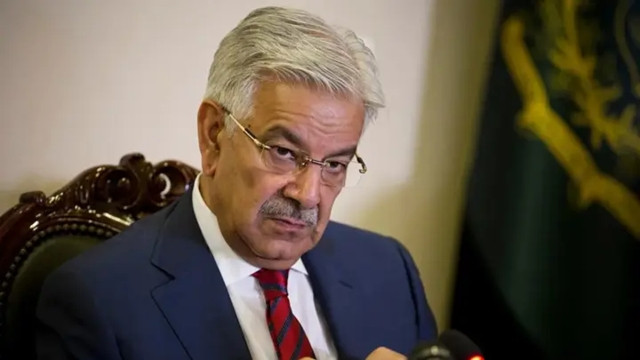
Earlier negotiations reportedly took place following a ceasefire arrangement brokered by Pakistan, with senior-level discussions held in April. Those efforts are now expected to continue through the Swiss-hosted process aimed at reaching a broader and more durable agreement.
As domestic pressure mounts on Netanyahu’s government, the parallel diplomatic track involving Iran and the United States is emerging as a potentially transformative development for the geopolitical landscape of the Middle East.