১২ আশ্বিন ১৪৩৩



Syrian Court Sentences Bashar al-Assad and Brother Maher to Death
12 August 2026 12:08 PM
NEWS DESK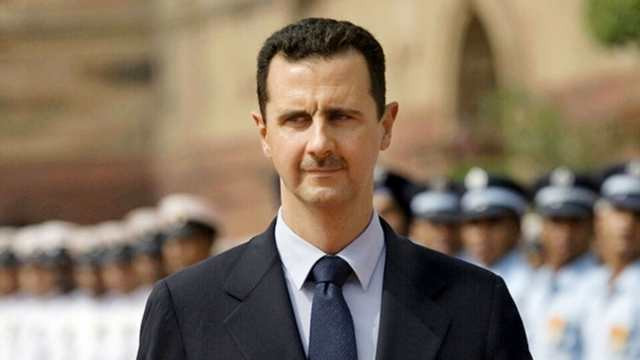
A criminal court in Damascus has sentenced former Syrian President Bashar al-Assad, his younger brother Maher al-Assad and their cousin Atef Najib to death over crimes committed during Syria’s nearly 14-year civil war, including premeditated murder, torture and crimes against humanity.
The verdict, delivered on Tuesday by Damascus’s Fourth Criminal Court, marks the first major domestic judgment against senior figures of the former Assad regime under Syria’s transitional authorities. Bashar and Maher al-Assad were sentenced in absentia, as both are currently in Russia, while Atef Najib was present in court.
Judge Fakhruddin al-Aryan said witness testimony established that Bashar al-Assad was a central decision-maker behind the crimes and had abused state institutions to carry out repression.
The court also issued death sentences against several other senior former regime officials, according to reports, while ordering that the former president and his brother be pursued internationally.
Assad Brothers in Russia
Bashar al-Assad and his younger brother Maher fled Syria after the collapse of the Assad government in December 2024 and are now living in Moscow.
The Syrian transitional authorities have sought the return of senior figures of the former regime, but Russia has so far refused to extradite the Assad brothers. The death sentences against them therefore cannot immediately be enforced.
The verdict nevertheless represents a significant step in Syria’s effort to pursue accountability for crimes committed during the former regime’s rule. Amnesty International has described the prosecution of senior former regime officials as a step forward, while also raising concerns about whether Syria’s judicial system fully complies with international standards.
Atef Najib Faces Court in Damascus
Atef Najib, 66, a cousin of Bashar al-Assad and former head of the Political Security Branch in the southern province of Daraa, was the only one of the three defendants present in court.
Najib was arrested in Latakia in January 2025 and became a central defendant in the first public trial of senior figures from the former Assad regime. The trial began in April 2026.
Najib is accused of playing a key role in the violent suppression of protests in Daraa in 2011. The detention and alleged torture of teenagers accused of writing anti-government graffiti in the city became one of the early flashpoints of the uprising against Assad’s rule.
On Tuesday, Najib appeared in court wearing a prison uniform and stood inside a metal defendants’ cage as the sentence was read out. Reports said he denied the allegations and showed no remorse.
A Landmark Ruling for Transitional Justice
The verdict has been widely viewed as a landmark moment for Syria’s transitional justice process.
Following the ruling, crowds gathered outside the Palace of Justice in Damascus, with some people holding photographs of relatives who had been killed or disappeared during the conflict. Celebrations were reported among Syrians who see the judgment as a long-awaited step toward accountability.
Syria’s civil war, which began after the government’s violent crackdown on anti-Assad protests in 2011, killed roughly half a million people and displaced millions more. The Assad government was accused by international investigators and rights organizations of widespread killings, torture, arbitrary detention and other serious abuses.
The trial and verdict are being closely watched as Syria’s transitional authorities seek to establish a legal framework for addressing crimes committed under the former regime. However, questions remain over due-process standards, the use of the death penalty and whether defendants tried in absentia can receive a fair judicial process.
For Syrians seeking accountability for years of violence and repression, Tuesday’s ruling represents a major symbolic victory. But enforcing the sentences against those who remain outside Syria—particularly the Assad brothers in Russia—will depend heavily on international cooperation and diplomatic developments.