[email protected]
শনিবার, ২৬ সেপ্টেম্বর ২০২৬
১০ আশ্বিন ১৪৩৩
১০ আশ্বিন ১৪৩৩

Friday, 25th September 2026


Italy Moves to Ban Burqas and Niqabs in Schools
25 September 2026 23:09 PM
NEWS DESK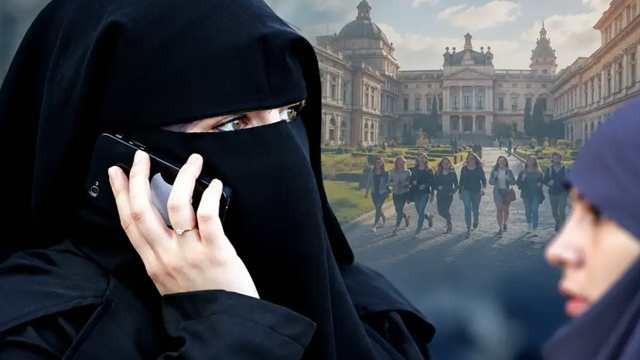
Italy’s government has introduced new rules banning burqas and niqabs in schools while limiting the number of foreign students with insufficient Italian-language skills in individual classrooms.
The measures were approved by the cabinet led by Prime Minister Giorgia Meloni on Thursday through a new decree.
Under the rules, the proportion of foreign students with inadequate Italian-language proficiency in a classroom will be capped at 30%. The decree also prohibits students from wearing burqas or niqabs in educational institutions.
Meloni said on social media that the new measures would limit the number of students with weak Italian-language skills to 30%, expand opportunities for them to learn Italian and ban burqas and niqabs in schools.
The decree also states that if a child fails to adapt to the school environment, the case may be referred to social services. Parents in such cases will be required to attend free Italian-language classes. Those who fail to comply could face fines of up to €1,000.
International child-rights organisation Save the Children criticised the government’s decision, warning that directing children to separate educational institutions based on their nationality or limited Italian-language skills could contribute to discrimination within the education system.
Italian Education Minister Giuseppe Valditara said inadequate language skills disrupt the normal pace of education. He claimed that more than 30% of students in around 34,000 classrooms across the country are currently foreign students.
However, the new rules will primarily apply to newly arrived students. Children born in Italy or those who have attended kindergarten in the country will be exempt.
Meloni has described the ban on burqas and niqabs as a national security issue. She said forcing women or young girls to cover their faces violates their fundamental rights.
Advertisement