১১ আশ্বিন ১৪৩৩



Former Chinese Premier Zhu Rongji Dies at 97
13 August 2026 06:08 AM
NEWS DESK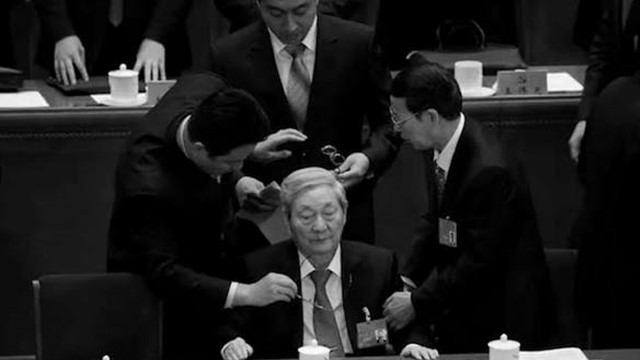
Former Chinese Premier Zhu Rongji, widely regarded as the architect of China's modern economic transformation, has died at the age of 97.
China's state-run news agency Xinhua reported that Zhu passed away in Beijing on Wednesday after an illness.
Zhu served as China's premier from 1998 to 2003, following a term as vice premier. During his tenure, he played a pivotal role in restructuring state-owned enterprises, reforming the tax system, and advancing market-oriented economic policies that helped reshape China's economy.
In the 1990s, Zhu took tough measures to tackle soaring inflation and the inefficiency of state-owned enterprises. His reforms included reducing debt and restructuring loss-making state firms. While the changes led to millions of layoffs, they also improved productivity, competitiveness, and the overall efficiency of the Chinese economy.
Zhu also played a key role in China's accession to the World Trade Organization (WTO). After years of negotiations, China joined the WTO under his leadership, a milestone widely credited with accelerating the country's integration into the global economy and expanding its international trade.
Known for his outspoken style and firm leadership, Zhu frequently spoke out against corruption, bureaucratic inefficiency, and irregularities in the banking sector. His direct approach earned him a distinctive reputation in Chinese politics.
Despite the long-term economic gains, some of his reforms came at a significant social cost. The restructuring of state-owned industries resulted in large-scale job losses, while critics later pointed to rising income inequality and other social challenges associated with the reforms.
Nevertheless, Zhu Rongji is widely recognized as one of the most influential figures in China's modern economic history, helping transform the country into a major player in the global marketplace.
Chinese state media described his death as a significant loss for both the nation and the Communist Party of China.