২২ আশ্বিন ১৪৩৩



A Fierce Poetic Protest Against Power, Exploitation, and Erased Humanity
01 January 2026 07:01 AM
NEWS DESK
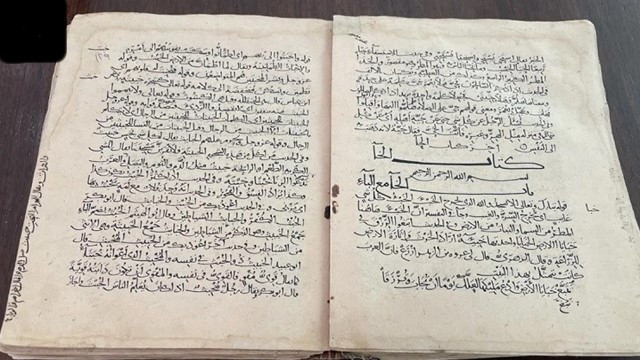
In contemporary Bengali literature, certain poems arrive not as quiet reflections but as seismic ruptures—texts that tear open questions of human existence, state repression, and economic exploitation. One such poem is “Amay Chhire Khao He Shokun” from poet Hadi’s 2024 poetry collection “Lavay Lalshak Puber Akash.”
The poem stands out as a bold, unsettling, and intellectually charged act of resistance.
The poem opens with a startling invocation:
“Tear me apart and eat me, O vulture, O vulture of the borders.”
From the outset, Hadi establishes a voice of extreme defiance. The predatory birds—vultures, eagles, hawks—function as sharp metaphors for the state, imperial powers, and exploitative economic systems. Their symbolic use is precise and deeply arresting.
References such as the “Atlantic eagle” or the “hawk of Lake Baikal” extend the scope of oppression beyond national borders, suggesting that exploitation is not confined to any one country but is global and multidimensional. At the center of the poem lies the human body—not merely as flesh, but as a carrier of social and political trauma.
One of the poem’s most striking lines reads:
“Paper laborers caress numbers and call it inflation; under debt pressure, my platelets are turning blue.”
Rather than presenting economic data, Hadi translates abstraction into corporeal pain, turning inflation, debt, and financial violence into lived bodily suffering.
Similarly, the line “To run a household, there is internal bleeding inside” captures the invisible yet acute anguish of modern life. The poem also raises unsettling questions about religion and the state. When the speaker addresses God with his pain, the reply comes cold and dismissive: “Who said you are alive?” Here, divinity is no longer a redeemer but a silent witness to fate.
The state appears as a ruthless, perfectly calibrated machine—king, constable, decree—all converging on a single command for the citizen: “Keep smiling.” It is a chilling satire of a reality where failing to perform happiness becomes a threat to survival.
Cannibalism and consumerism form another crucial layer of the poem. Human flesh, destiny, and life itself are consumed by a voracious system of exploitation. The sense of helplessness is visceral and overwhelming.
Hadi makes it clear that the state or imperial power is not merely an abstract authority but an active aggressor against human life. Yet the poem’s most powerful moment arrives near the end, when the poet again calls upon the vultures, eagles, and hawks—with one urgent plea:
“I beg you, just don’t eat my brain; for then, you too will soon become slaves.”
This declaration elevates the poem from despair to warning. Human intellect, consciousness, and sensitivity emerge as the final line of defense. The body may be destroyed, but the destruction of thought signals the ultimate victory of oppression.
“Amay Chhire Khao He Shokun” is not merely a poet’s personal lament. It is a sharp, uncompromising, and deeply intellectual protest against contemporary society, the state, economic violence, and imperial domination. With its powerful language, haunting imagery, and razor-edged irony, the poem forces readers to confront urgent questions of justice, dignity, and freedom.
As a work of resistance, it stands as a poetic document of our times—one that does not comfort, but instead teaches us how to face a brutal reality head-on.