২২ আশ্বিন ১৪৩৩



Speculation Grows Over Trump’s Plan for New ‘Core Five’ Global Power Alliance
14 December 2025 06:12 AM
NEWS DESK
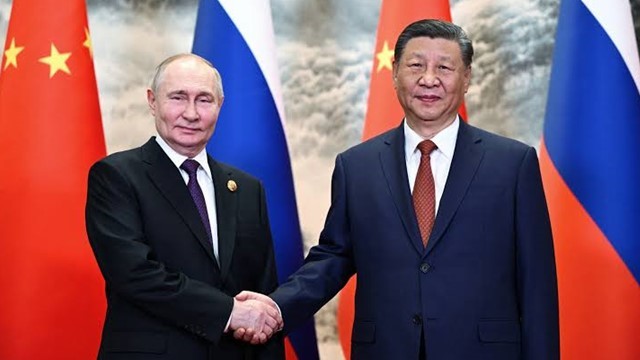
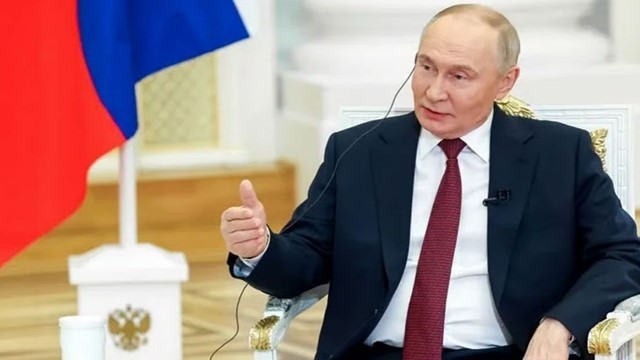
Speculation is growing in international political circles that U.S. President Donald Trump is considering the formation of a new global “superclub” or alliance involving rival powers Russia and China, alongside India and Japan.
The proposed grouping, reportedly dubbed the “Core Five” (C-5), would also include the United States. No official confirmation has yet been issued by any of the five countries.
According to a report by Politico, hints of such an alliance appear in a U.S. national security-related document released by the White House last week. The report suggests the initiative would bypass existing Europe-centric alliances such as the G7, as well as other traditional groupings based on shared democratic values and economic ties.
Indian media outlet NDTV reported that the U.S. national security strategy proposes the creation of a “Core Five” forum comprising the United States, China, Russia, India, and Japan. Similar to the G7, the proposed bloc would reportedly convene summits focused on specific global issues. The first item on the Core Five agenda would be Middle East security, particularly the normalization of relations between Israel and Saudi Arabia.
However, Politico noted that the White House has denied the existence of any such document. Press Secretary Hanna Kelly emphasized that there is no alternative, private, or classified version of the 33-page official national security plan. Despite this denial, U.S. national security experts believe the Core Five concept reflects President Trump’s worldview, suggesting the idea may have originated from his strategic thinking even if it has not yet been formally adopted.
Tory Tussig, who served as Director for European Affairs at the U.S. National Security Council during the administration of former President Joe Biden, said the Core Five concept aligns closely with how Trump views the global order. She described his perspective as non-ideological, sympathetic to powerful global actors, and inclined toward cooperation with other major powers rather than value-based alliances.
“The Core Five leaves no place for Europe,” Tussig said, adding that such a move would likely reinforce European concerns that the current U.S. administration views Russia as a legitimate and influential power capable of expanding its influence across Europe.
Michael Sobolik, who served as an aide to Republican Senator Ted Cruz during Trump’s first term, said the original Trump administration embraced the idea of great power competition, particularly in structuring U.S. policy toward China. However, he warned that forming a Core Five alliance would represent a significant departure from Washington’s established China strategy.
While the proposed grouping remains speculative, analysts say the discussion itself reflects ongoing debates within U.S. strategic circles about reshaping global alliances in an era of intensifying great-power competition.