৮ কার্তিক ১৪৩৩



Bangladesh Secures Lowest 10% U.S. Tariff Rate, Strengthening Competitive Edge in American Market
25 July 2026 04:07 AM
NEWS DESK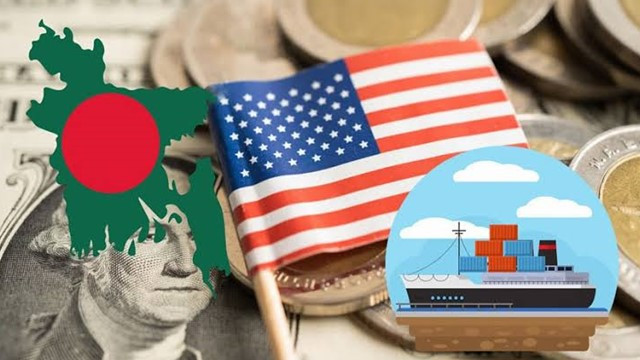
Bangladesh has secured the lowest additional tariff rate of 10% under the United States' new trade tariff framework, a move expected to strengthen the country's competitive position in the U.S. market compared with major garment-exporting rivals such as China, Vietnam and Thailand.
In a statement issued on Friday, Bangladesh's Ministry of Foreign Affairs said the Office of the United States Trade Representative (USTR) announced revised tariff rates for 60 economies representing 86 countries following investigations conducted under Section 301 of the U.S. Trade Act of 1974 concerning allegations of forced labor.
Under the decision announced on July 23, the new tariff rates—ranging from 10% to 12.5%—took effect at 12:01 a.m. Washington time. The revised system replaces the temporary 10% global tariff that had previously been imposed under Section 122 of the Trade Act.
According to the new policy, imports from Bangladesh will be subject to an additional 10% tariff on top of the existing Most Favored Nation (MFN) tariff rate.
The Foreign Ministry said Bangladesh is among only 17 countries that have received the minimum 10% tariff rate, a development it believes will help preserve the country's competitiveness in the U.S. market, particularly for ready-made garments and other export products.
By contrast, Bangladesh's key competitors in apparel exports—China, Vietnam and Thailand—have been placed in the highest tariff category of 12.5%. As a result, Bangladesh is expected to enjoy a stronger comparative advantage over these countries in the U.S. market.
The ministry also said the USTR is considering introducing a three-year Tariff Rate Quota (TRQ) program for Bangladesh, Cambodia, Indonesia and Malaysia. If implemented, products manufactured using U.S.-origin cotton and textile inputs could be exempt from the additional tariffs imposed under Section 301.
Officials believe such a measure would provide Bangladeshi exporters with an additional competitive advantage while encouraging greater use of U.S. textile materials and supporting further expansion of Bangladesh's exports to the American market.
The Foreign Ministry added that the Government of Bangladesh will continue working closely with international partners to uphold global labor standards and ensure sustainable growth, policy stability and long-term competitiveness in the country's key export sectors.