২৯ আশ্বিন ১৪৩৩



NAHAR Relief Hosts Cultural Evening and Mezban Dinner in Brooklyn
14 October 2026 22:10 PM
NEWS DESK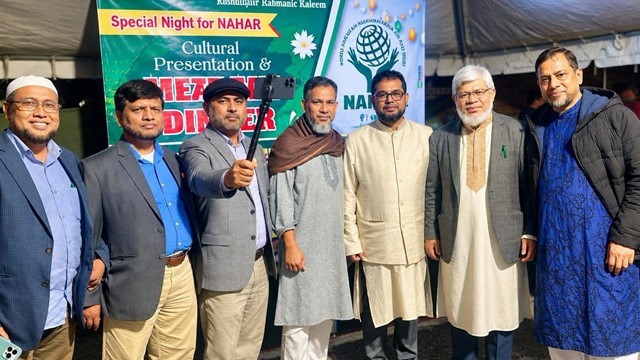
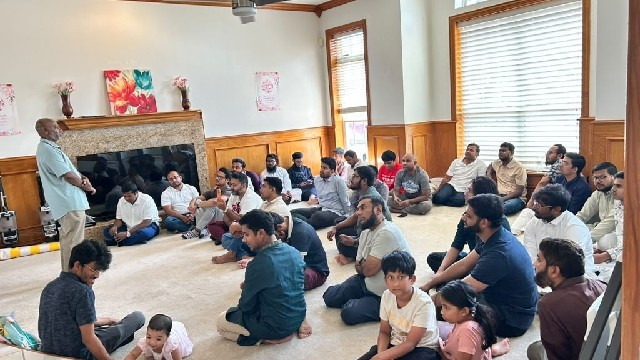
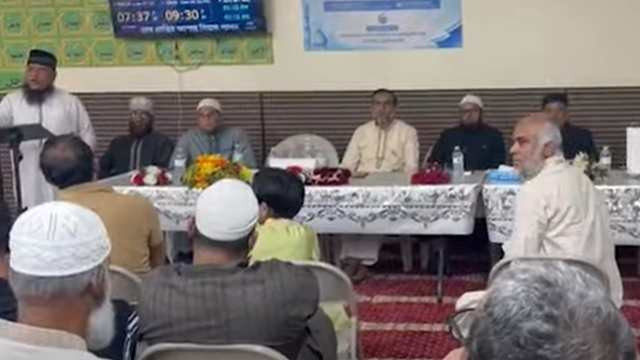
The North American Humanitarian Aid and Relief - NAHAR Relief organised a cultural evening and traditional Mezban dinner on October 10 at the Brooklyn Islamic Center, bringing together members of the Bangladeshi diaspora and people from various professional and social backgrounds.
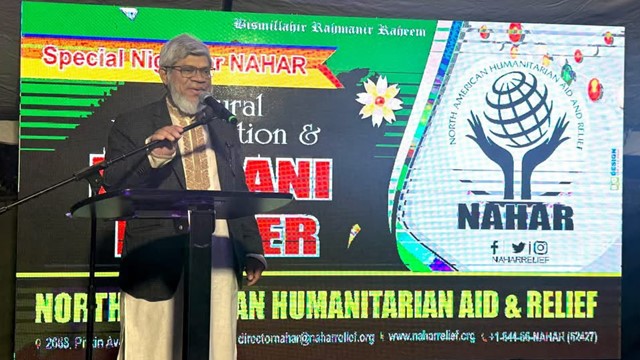
The event began at 5 p.m. with a recitation of the Holy Quran by Imam and Qari Junaid Hossain. More than 1,000 men and women attended the programme and collected food in separate queues.
The dinner featured traditional Chattogram-style Mezban cuisine, including beef, chhola dal (Bengal gram lentils) and plain rice.
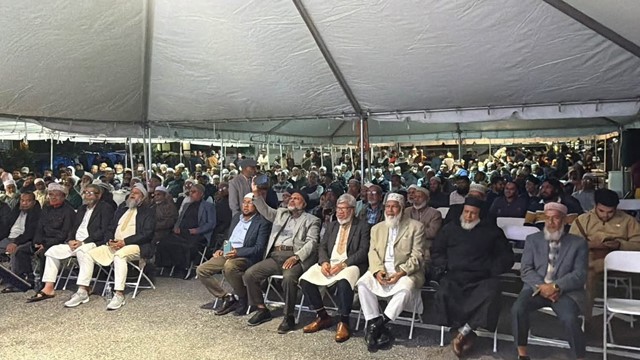
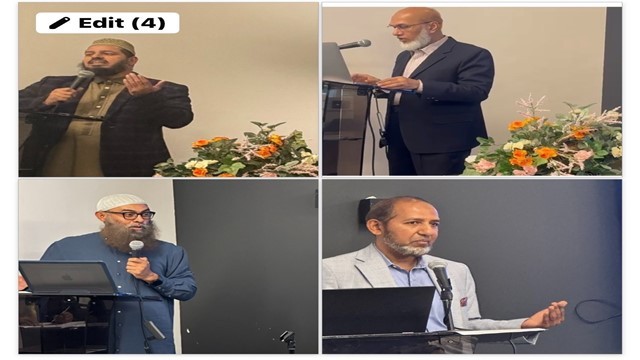
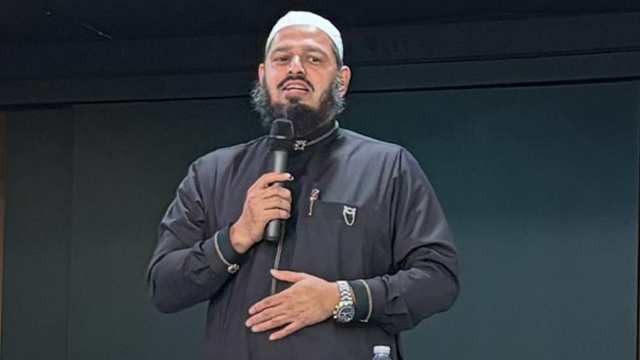
Sheikh Abdullah Jaber, executive director and imam of Roswell Community Mosque, addressed the gathering as the chief guest. Imam Hafiz Zakir Ahmed and Saiful Alam Azam, president of the Brooklyn Islamic Center (BIC), spoke as special guests.
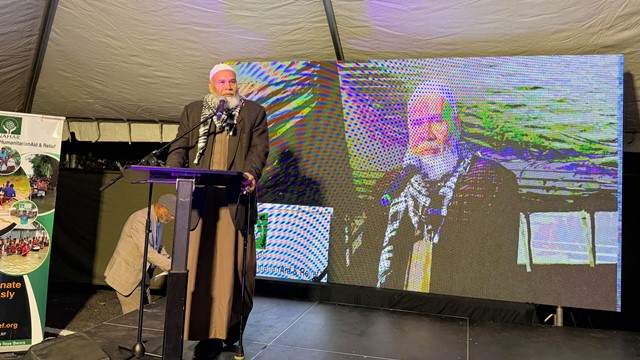
Other speakers included Safayet Hossain Safa, director of MUNA’s National Social Services Department; Maulana Emdad Ullah, president of MUNA Brooklyn South Zone; A.K.M. Saiful Alam, secretary of the South Zone; Dr. Hasan; Dr. Rayan Jaber; and other community leaders.
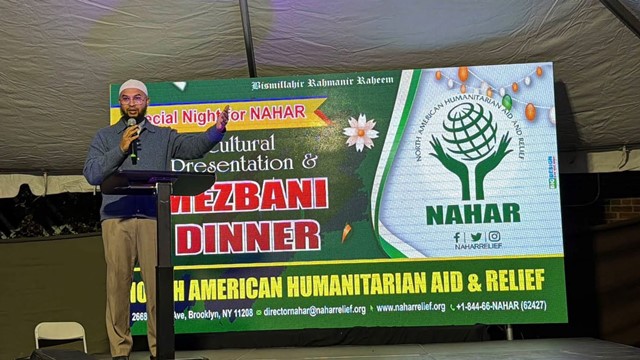
Documentary Highlights Humanitarian Work
A special segment of the programme featured a documentary showcasing NAHAR Relief’s international humanitarian activities. The documentary was presented by the organisation’s president, Dr. Ataul Osmani.
Delwar Mazumder, a director of the organisation, introduced NAHAR Relief’s representatives in New York to the audience.
Cultural Programme Promotes Humanitarian Values
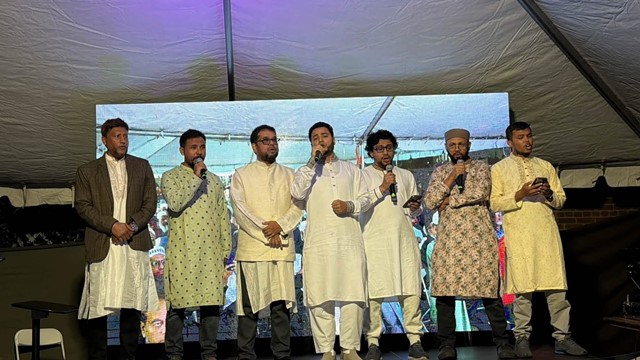
The cultural segment was coordinated by Nurul Anwar, director of the Ummah Shilpi Goshthi. Reflecting the humanitarian message of “Manush Manusher Jonno” (People for People), Dr. Ataul Haque Osmani, Iqbal Hossain Jibon and artists from the Ummah Cultural Group performed nasheeds.
Nahar Relief in the Service of Humanity
Nahar Relief is a humanitarian aid organization. It operates across various sectors, including emergency relief and humanitarian assistance, support for orphaned children, food security, healthcare, the provision of clean water, and educational initiatives. In addition to standing by vulnerable people during natural disasters and crises, the organization strives to play a role in fostering long-term development and self-reliance.
According to the organisers, a key objective of the event was to raise funds to support vulnerable, disadvantaged and crisis-affected people around the world.
The programme also aimed to encourage greater community participation in humanitarian service and strengthen mutual support and cooperation among members of the community.
Zakir Hossain
New York