২৯ আশ্বিন ১৪৩৩



Riyadh Airport Closure Hits Umrah Travel Demand from UAE
14 October 2026 19:10 PM
NEWS DESK
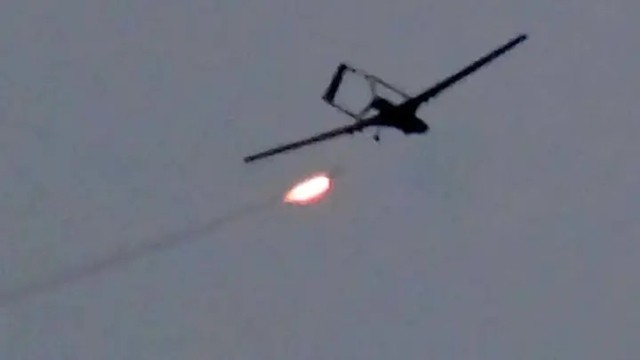
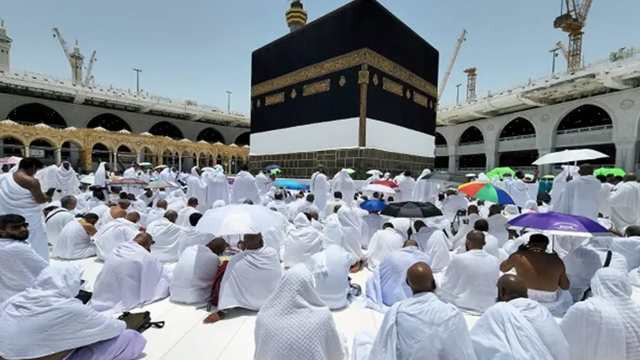
Demand for Umrah travel from the United Arab Emirates has plunged following the temporary closure of Saudi Arabia’s King Khalid International Airport in Riyadh, with repeated drone and missile attacks disrupting flights and leaving pilgrims uncertain about their travel plans.
Several travellers have postponed their planned Umrah journeys or begun looking for alternative routes, dealing a significant blow to travel agencies during what is typically a busy pilgrimage season from October to January.
Local travel agencies in the UAE have reported a sharp decline in Umrah-related inquiries and new bookings since disruptions at Riyadh airport came to light.
Afzal KH, a UAE-based employee of Pilgrimage and Other Holy Packages, said travel inquiries had fallen by more than half following the recent attacks. Prospective pilgrims are increasingly concerned about being stranded in Saudi Arabia or facing sudden flight cancellations.
The disruptions come amid escalating regional tensions involving the United States and Iran. Saudi Arabia has recently faced multiple drone and missile attacks, affecting normal flight operations at Riyadh’s King Khalid International Airport. The Saudi General Authority of Civil Aviation (GACA) has extended the airport’s closure until October 17, according to the report.
The disruption to Riyadh’s airspace has reportedly resulted in more than 3,000 flights being grounded or cancelled, affecting passengers travelling through the Saudi capital and disrupting business and pilgrimage travel across the region.
Afzal recounted his experience leading a group of 10 Umrah pilgrims who were staying in Madinah and planning to return to Dubai via Riyadh.
After reports of air attacks emerged on Saturday morning, the group initially expected their return flight to operate as scheduled. However, they received official notification of its cancellation around midday.
The cancellation forced them to spend an additional day in Madinah. Although they initially searched for alternative early-morning flights, seats were unavailable and other flights were also being cancelled.
The group eventually returned to the UAE by road, travelling a long route through the Bahrain border.
The disruption significantly increased travel costs. According to Afzal, last-minute refundable flight tickets were selling for more than Dh2,500, while alternative road transport from Madinah cost between Dh100 and Dh600. The road journey, however, took more than five hours.
The group included two families and several individual travellers, one of whom was performing Umrah for the first time. All members had to request additional leave from work and endured considerable stress because of the uncertainty.
Rashid Abbas, managing director of Aruha Travels, said the disruption had severely affected the pilgrimage business just as the main Umrah season was beginning in September and October.
While some essential business and official travel continues, Umrah bookings have dropped to extremely low levels, he said.
Travellers with existing reservations are postponing their trips or taking advantage of airlines’ offers of free date changes and full refunds.
Saudi Arabia is normally one of the UAE’s major outbound travel markets. Demand had been expected to rise further in November and December, driven by the UAE National Day holidays and the winter vacation season. The ongoing crisis has disrupted those expectations.
Travellers already in Saudi Arabia are increasingly considering alternative departure points, including Dammam and Madinah airports.
Travel agents said flydubai, flynas and Air Arabia continued to operate direct services between Madinah and Dubai, offering some relief to affected passengers.
Afi Ahmed, chairman of Smart Travels, said many travellers were opting for lengthy bus journeys to avoid uncertainty over flight schedules and ticket availability.
Restoring travellers’ confidence would be difficult, he said, adding that the disruption could have longer-term consequences for the travel industry. However, the availability of bus services has allowed pilgrims to reduce their dependence on air travel.
Those considering new Umrah trips are largely waiting for Riyadh airport operations to return to normal before making reservations.
The disruption has not affected all Saudi airports equally.
TP Sudheesh, general manager of Dera Travels, said flights to Jeddah were operating normally, with Emirates, Saudia and other major airlines maintaining their regular schedules.
Affected passengers have been offered ticket changes or full refunds, he said. The number of stranded travellers remains relatively limited, while some service-related cancellations were in effect until October 14.
Budget airlines such as flynas and flyadeal have also provided some assistance in managing the disruption.
Sudheesh added that many travellers considered waiting for available flights a safer option than undertaking lengthy road journeys.
For now, uncertainty over the full reopening of Riyadh’s King Khalid International Airport continues to discourage prospective Umrah pilgrims from the UAE from making new travel plans.