১০ কার্তিক ১৪৩৩


Bangladesh–US Reciprocal Trade Agreement Requires Wide-Ranging Reforms Across Economy, Security, and Regulatory Framework
12 February 2026 06:02 AM
NEWS DESK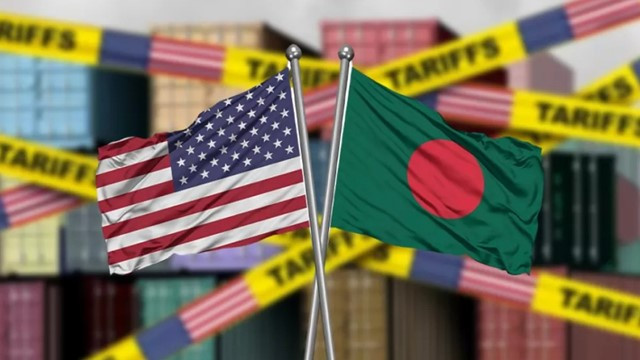
The newly signed “Agreement on Reciprocal Trade” between Bangladesh and the United States obliges Bangladesh to undertake sweeping reforms across multiple sectors, including tariffs, labor laws, digital policy, agriculture, investment, and national security. In addition to regulatory restructuring, Bangladesh will also need to significantly increase imports of US goods to reduce the bilateral trad
An analysis of the agreement document shows that while it formally addresses reciprocal tariffs, the bulk of the commitments fall on Bangladesh. The United States is mentioned 59 times in the text, whereas Bangladesh is referenced 205 times — largely in the context of required actions and reforms.
Under the agreement, the United States will reduce its reciprocal tariff on Bangladeshi goods from 20 percent to 19 percent. However, all other existing US tariffs will remain unchanged.
Major Purchase Commitments
Boeing Aircraft
Under Article 6 of the agreement, Bangladesh has expressed its intention to expand purchases of US civilian aircraft, parts, and services through Biman Bangladesh Airlines. The national carrier has indicated plans to purchase 14 Boeing aircraft, with scope for additional acquisitions in the future.
Energy Imports
Bangladesh will increase energy imports from the United States, potentially including private-sector participation. The agreement includes long-term contracts for US liquefied natural gas (LNG). Over the next 15 years, projected energy imports from the US are estimated at approximately $15 billion.
Agricultural Products
To enhance food security, Bangladesh will expand imports of US agricultural products. These include:
-
At least 700,000 metric tons of wheat annually for five years
-
Up to $1.25 billion worth, or 2.6 million metric tons (whichever is lower), of soybeans and soybean products in one year
-
Cotton imports
The projected total value of these agricultural imports is approximately $3.5 billion.
Defense Procurement
The agreement also states that Bangladesh will increase purchases of US military equipment while limiting procurement from certain unspecified countries whose interests may conflict with those of the United States.
WTO Compliance and Subsidy Transparency
Within six months of the agreement taking effect, Bangladesh must submit full notifications of all subsidies to the World Trade Organization (WTO), in compliance with the WTO Agreement on Subsidies and Countervailing Measures.
Tariff Reductions and Elimination
Bangladesh will gradually reduce or eliminate import duties, supplementary duties, and regulatory duties on a wide range of US products. Some tariffs will be removed immediately upon entry into force, while others will be phased out over five to ten years. Bangladesh will also be prohibited from imposing quotas on US goods.
Removal of Non-Tariff Barriers
A substantial portion of the agreement focuses on eliminating non-tariff barriers.
Bangladesh must ensure that import licensing procedures are transparent, non-discriminatory, and do not restrict US imports. Products certified by US or internationally recognized laboratories cannot be subjected to additional testing or conformity requirements if valid documentation exists.
Bangladesh must:
-
Provide US conformity assessment bodies the same treatment as domestic entities.
-
Accept US compliance procedures for products not subject to third-party testing under US regulatory frameworks.
Technical regulations and standards must not act as disguised trade barriers. Existing conflicting or redundant testing requirements must be phased out.
Labor and Environmental Commitments
The agreement includes detailed labor provisions:
-
Bangladesh must prohibit imports of goods produced through forced labor.
-
Workers’ rights to organize must be guaranteed.
-
Labor laws must be effectively enforced, including in Export Processing Zones (EPZs).
-
Labor protections cannot be weakened to attract investment.
Environmental protection laws must also be properly implemented, and environmental standards must not be used in a trade-distorting manner.
Restrictions Involving Third Countries
Bangladesh must align with US export control, sanctions, and investment security policies. It is required to prevent third-country companies from using Bangladesh to export underpriced goods to the United States in ways that undermine US interests.
The agreement also imposes restrictions on purchasing nuclear reactors or fuel from countries considered to be in conflict with US interests.
Economic and National Security Provisions
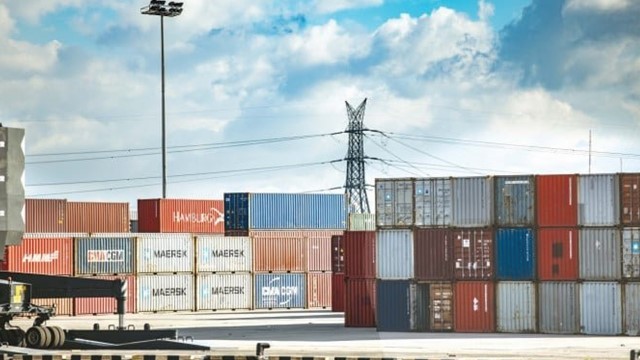
Article 3 expands trade cooperation into areas of cybersecurity, data protection, and export control.
Bangladesh must ensure cybersecurity protections in:
-
Seaports and port terminals
-
Logistics tracking networks
-
Commercial shipping fleets
Data from these systems must be safeguarded from unauthorized foreign access.
For goods subject to US Export Administration Regulations (EAR), Bangladesh must prevent unauthorized export, re-export, or domestic transfer. Exporters must provide authorization from the US Bureau of Industry and Security (BIS) when required.
Bangladesh must establish its own export control enforcement framework, including civil and criminal penalties, investigative authority, and audit capabilities, in coordination with US authorities if necessary.
Agricultural and Food Safety Policy Changes
Bangladesh must recognize US sanitary and phytosanitary (SPS) certifications as valid. SPS measures must be science-based and not serve as hidden trade barriers.
Within 24 months, Bangladesh must adopt a regulatory framework allowing the import and marketing of US-approved agricultural biotechnology products without requiring additional approvals, reviews, or special labeling beyond what is required in the United States.
Poultry and livestock disease-related import bans must align with international standards.
Intellectual Property Reforms
Bangladesh must strengthen enforcement of copyright, trademark, and patent protections, including criminal penalties and border enforcement against violations.
The country is also required to join several international agreements, including:
-
The Madrid Protocol
-
The Patent Cooperation Treaty
-
Additional WIPO treaties
These steps may require significant amendments to domestic laws.
Digital Trade and Data Flows
Bangladesh must commit not to impose discriminatory digital taxes on US companies. Cross-border data flows for business purposes must be permitted.
No customs duties may be imposed on electronic content.
If Bangladesh signs a digital trade agreement with another country that harms US interests, the United States reserves the right to withdraw from this agreement, potentially reinstating higher tariffs imposed on April 2, 2025.
Customs Modernization and Tax Measures
By 2030, Bangladesh must implement a fully digital, paperless customs system with mandatory electronic documentation and automated clearance procedures.
Additionally, Bangladesh will not challenge US export-related tax incentives at the WTO.
A Transformative Framework
While the agreement reduces US reciprocal tariffs on Bangladeshi goods by one percentage point, its broader implications extend far beyond tariffs. The document effectively commits Bangladesh to restructuring significant portions of its trade regime, regulatory institutions, digital governance, agricultural oversight, labor protections, and export control systems.
The agreement signals a deepening of bilateral trade ties — but also introduces substantial policy obligations that could reshape Bangladesh’s economic and regulatory landscape for years to come.