১০ কার্তিক ১৪৩৩



Munich Security Conference Opens Amid U.S.-Europe Tensions
12 February 2026 08:02 AM
NEWS DESK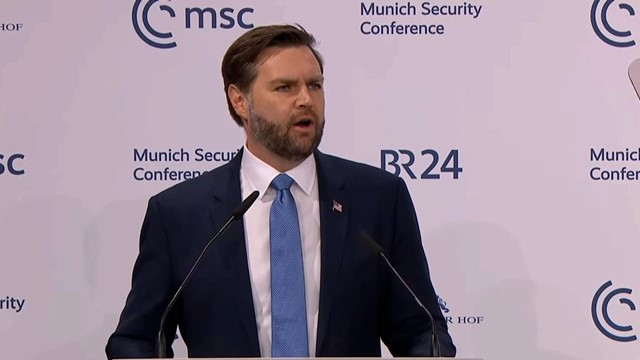
The three-day Munich Security Conference (MSC) kicks off on Friday against a backdrop of growing tensions between the United States and Europe. The latest MSC report, which critiques several aspects of U.S. foreign policy, has reportedly displeased Washington.
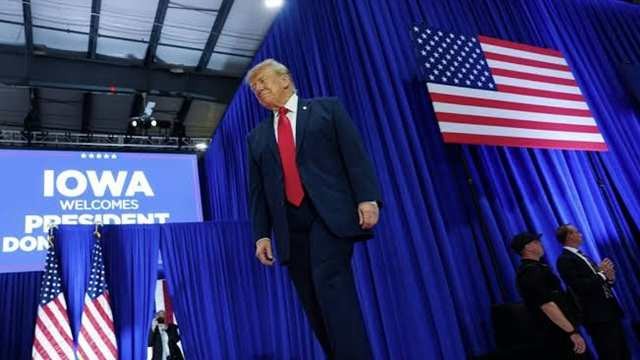
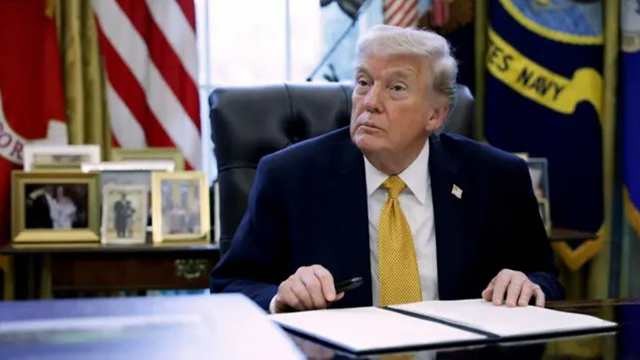
In a White House review meeting, President Donald Trump expressed his frustration with Europe, particularly over issues related to Greenland and transatlantic obligations.
Experts describe this year’s MSC as a crucial test for the transatlantic alliance, highlighting whether strained diplomatic relations can be repaired.
At last year’s MSC, former U.S. Vice President JD Vance sharply criticized Europe’s liberal policies on immigration. This year, Vance is absent, with U.S. Secretary of State and National Security Advisor Marco Rubio leading the delegation. More than 50 world leaders have been invited, as Europe faces mounting uncertainty in its security landscape.
The Greenland controversy remains a sensitive issue. Trump’s previous assertions that Greenland’s sovereignty should fall under U.S. control, and his occasional threats of force, have unsettled European partners. While the immediate crisis has been avoided, the underlying diplomatic tensions linger.
The MSC report highlights concerns about U.S. policy under the Trump administration, emphasizing its aggressive stance, uncertain commitment to post-1945 international order, and the implications for transatlantic security. Key points include:
- Global politics is entering a phase of “destructive politics”, challenging international stability.
- Europe is questioning Washington’s continued commitment to the post-World War II order.
- Domestic political instability in the U.S. creates uncertainty in its foreign policy.
- Transatlantic relations face deepening concern in Europe.
- Potential shifts in NATO and Ukraine-related policies pose major tests for European security.
- Power dynamics in world politics are rapidly changing, making U.S. actions less predictable.
- Weak consultation and multilateral cooperation with allies could threaten global stability.
- Europe must enhance its security and strategic capabilities independently.
Sir Alex Younger, former chief of Britain’s Secret Intelligence Service (MI6), noted that while the transatlantic alliance will not return to its previous state, it has not collapsed. Europe continues to benefit from military and intelligence cooperation with the U.S., even as Washington pressures European partners to take greater responsibility for their own defense.
MSC research director Tobias Bunde highlighted a fundamental shift: under Trump, economic integration, democracy, and human rights have increasingly become strategic instruments rather than just values, raising questions about traditional transatlantic norms.
European leaders view Trump’s competitive approach as potentially destabilizing. The MSC report warns that U.S. authoritarian-leaning policies may weaken American democracy and undermine the alliance. Europe is increasingly aware that reliance on U.S. military protection cannot continue indefinitely, emphasizing the need to build independent security and strategic capabilities.
The conference comes at a time when transatlantic relations are being reshaped by economic, military, and diplomatic tensions, making it a pivotal moment for global security discussions.