১০ কার্তিক ১৪৩৩



US Eyes Stronger Defense Ties with Bangladesh Amid Growing Chinese Influence in South Asia
12 February 2026 07:02 AM
NEWS DESK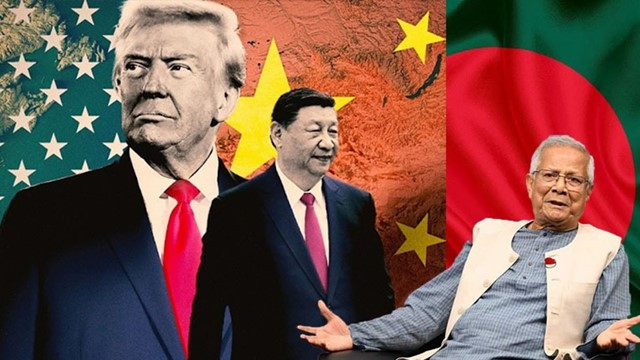
The United States is increasingly concerned about China’s expanding footprint in South Asia, particularly in Bangladesh, and is preparing to offer alternative defense cooperation to Dhaka as it seeks to counter Beijing’s growing influence.
With Bangladesh heading into a general election on Thursday following the August 2024 Gen-Z–led uprising that ousted India-aligned Prime Minister Sheikh Hasina, geopolitical dynamics in the region are shifting rapidly. Hasina is currently in exile in New Delhi, and analysts say India’s influence in Dhaka has diminished, creating space for China to strengthen its presence.
Beijing has recently intensified diplomatic and defense engagement with Bangladesh. A defense agreement signed between the two countries includes the establishment of a drone manufacturing facility near the India–Bangladesh border — a development that has raised concerns among foreign diplomats.
Bangladesh is also reportedly in discussions with Pakistan regarding the potential purchase of JF-17 Thunder multirole fighter jets, jointly developed by Pakistan and China.
These developments have prompted Washington to recalibrate its engagement strategy with Dhaka.
In an interview on Tuesday, US Ambassador to Bangladesh Brent T. Christensen said Washington is closely monitoring China’s expanding influence in the region.
“The United States is concerned about growing Chinese influence in South Asia and is committed to working closely with the Government of Bangladesh to clearly outline the risks associated with certain agreements with China,” he said.
Without providing specific details, Christensen noted that the US is offering Bangladesh “a range of options — both American and from our partners — to meet its military capability needs, providing alternatives to Chinese equipment.”
The remarks signal a possible push by Washington to deepen defense cooperation with Bangladesh’s next elected government.
China’s Foreign Ministry recently described Beijing and Dhaka as “comprehensive strategic partners,” emphasizing that cooperation in political, economic, and security spheres has benefited both nations.
In a statement, the ministry said the bilateral relationship is “not directed against any third party” and added that China “will not tolerate interference by others.”
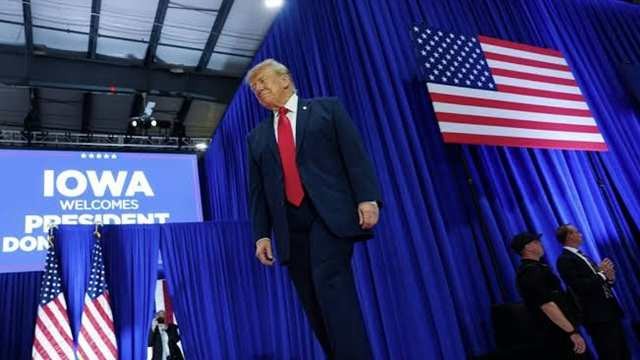
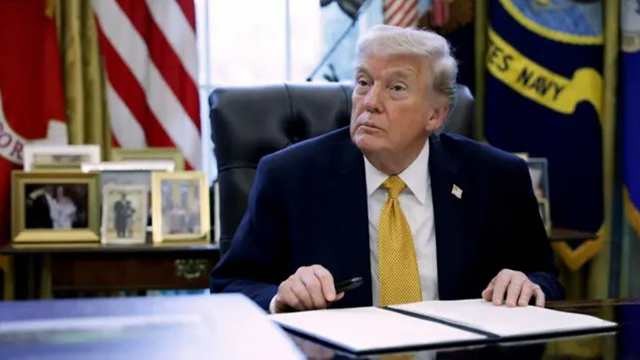
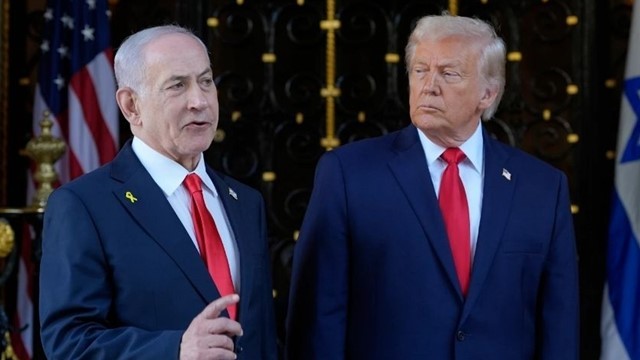
Ambassador Christensen also said the administration of President Donald Trump wants to see “strong and stable relations between Bangladesh and India to maintain regional stability.”
Relations between Dhaka and New Delhi have reportedly cooled since Hasina’s departure, affecting visa services and even sporting ties such as bilateral cricket engagements.
Christensen said many US businesses are considering investment in Bangladesh but are awaiting clear signals from the incoming government that the country is “open for business.”
“Commercial diplomacy is one of our top priorities,” he said, adding that Washington hopes to build on progress made with the interim government in strengthening trade, economic, and security ties once the new government is formed.
Despite decades-long operations by US energy giant Chevron, American corporate presence in Bangladesh remains limited. High tax structures and profit repatriation challenges have discouraged broader US investment in the densely populated country of 175 million people. Notably, major American consumer brands such as Starbucks and McDonald’s do not yet operate in Bangladesh.
The ambassador emphasized that Washington will work with “any government elected by the people of Bangladesh.” The main contest in Thursday’s election is between two alliances led by the Bangladesh Nationalist Party (BNP) and Jamaat-e-Islami. Opinion polls suggest BNP holds a slight edge.
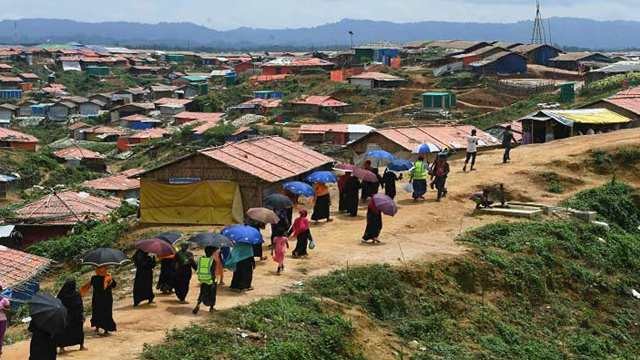
On the Rohingya refugee crisis, Christensen reiterated that the United States remains the largest donor supporting Rohingya refugees and continues to fund significant health programs in Bangladesh.
He referenced a recently announced $2 billion global financing framework agreed upon with the United Nations, aimed at strengthening support for displaced populations, including the Rohingya.
However, he urged other international donors to step up.
“The United States cannot carry this enormous burden alone,” Christensen said. “International partners need to increase their contributions.”
In recent years, the UN refugee agency has struggled to secure adequate funding for Rohingya assistance, leading to ration cuts and the closure of some educational facilities in refugee camps.
As Bangladesh prepares to elect a new government, the country finds itself at the center of intensifying geopolitical competition, with Washington and Beijing both seeking to shape the trajectory of its strategic and economic partnerships.