১০ কার্তিক ১৪৩৩



Bangladesh Gears Up for 13th National Parliament Election and Referendum
12 February 2026 08:02 AM
NEWS DESK
With all preparations complete, Bangladesh stands on the brink of its 13th National Parliament election, coupled with a historic referendum, scheduled for February 12. Across the country, anticipation is palpable as citizens, political parties, and observers focus on the electoral atmosphere and voter turnout.
Streets, markets, offices, transport hubs, and neighborhoods are abuzz with conversations about whether the elections will be free, fair, and peaceful.
The nationwide election campaign officially ended on Tuesday morning at 7:30 a.m., setting the stage for Thursday’s polls. This election is historic, as it coincides with the referendum aimed at implementing the July constitutional amendment. The campaign drew intense interest both domestically and internationally, with 51 political parties participating. Of the 2,404 candidates, approximately 300 are running as independents.
Candidates have been actively canvassing their constituencies, visiting neighborhoods and homes, seeking blessings from elders, and holding public gatherings. The campaign period began on January 22 and concluded Tuesday, involving tireless door-to-door outreach, rallies, and public meetings.
Major political parties coordinated closely with their grassroots networks and volunteers, particularly polling agents, ensuring round-the-clock readiness. Independent candidates have also mobilized supporters for last-minute preparations.
Following the announcement of the election schedule in December, political parties became fully active. Candidates received their symbols on January 21, immediately entering the electoral battlefield. Streets, alleys, and public spaces were adorned with banners, posters, and billboards—although this year, posters were not allowed.
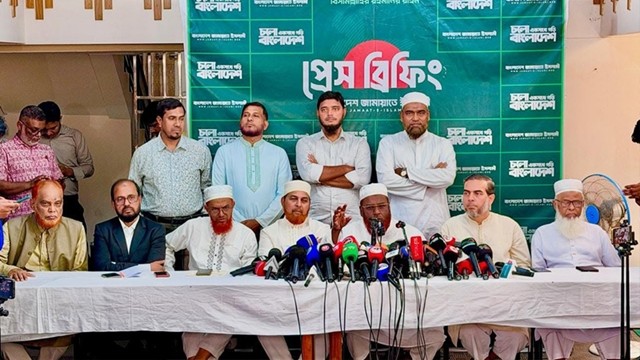
Party leaders also campaigned extensively. For instance, BNP chairman Tarique Rahman held 44 rallies nationwide, while Jamaat-e-Islami Amir Dr. Shafiqur Rahman visited 48 districts. Campaigning continued until Tuesday morning, creating a festive atmosphere as voters from cities headed to their hometowns to cast ballots—an unprecedented trend in Bangladesh’s electoral history.
The Election Commission (EC) has deployed strict monitoring measures to ensure adherence to the code of conduct. Officers, administration, and law enforcement at every polling station have been actively overseeing candidates’ compliance. Several candidates received notices for violations, and corrective action has been taken.
Out of over 3,000 nominations, a number were disqualified during preliminary scrutiny, with some regaining candidacy after appeals to the EC and higher courts. Ultimately, 2,404 candidates contest 299 parliamentary seats (Sherpur-3 deferred due to a candidate’s death), including 275 independents. Major parties fielding candidates include:
BNP: 291 candidates (symbol: sheaf of paddy)
Jamaat-e-Islami: 229 candidates (symbol: scale)
Islami Andolan Bangladesh: 258 candidates (symbol: hand fan)
Jatiya Party: 198 candidates (symbol: plough)
NCP: 32 candidates (symbol: water lily bud)
The EC has coordinated with political leaders, law enforcement, and citizens to maintain a peaceful election environment. Domestic and international organizations are assisting in monitoring, with 55,454 domestic observers and 540 international observers deployed nationwide.
Over 900,000 personnel from police, army, Border Guard Bangladesh (BGB), Rapid Action Battalion (RAB), and Ansar have been deployed. The army and navy, in coordination with the Coast Guard, will oversee coastal and remote regions, while the Bangladesh Air Force will provide helicopter support to inaccessible polling centers.
Approximately 127.7 million voters are eligible to participate, including 64.8 million men, 62.8 million women, and 1,220 third-gender voters. Voting will take place across 42,779 polling centers with 247,482 polling booths, supervised by around 1 million election officials. Polling is scheduled from 7:30 a.m. to 4:30 p.m., with voting for the referendum conducted simultaneously.
The EC has also imposed a 48-hour restriction on external movement to ensure uninterrupted voting. Strict enforcement of the code of conduct and security measures have contributed to a calmer, more controlled electoral environment compared to previous elections.
Senior Secretary of the EC, Akhtar Ahmed, stated that the overall election environment is better than in any previous national election. With strong monitoring and law enforcement, the Commission is committed to maintaining a free, fair, and peaceful voting process, relying on cooperation from political parties, candidates, and citizens.