১০ কার্তিক ১৪৩৩



Analysts Warn of ‘Flood’ of Disinformation Ahead of Bangladesh’s February 12 General Election
10 February 2026 05:02 AM
NEWS DESK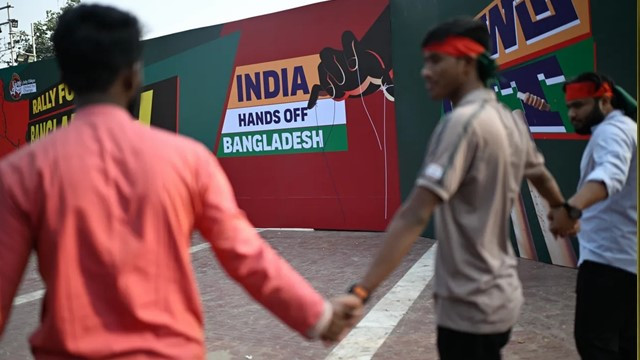
Analysts have warned of a massive “flood” of disinformation on social media ahead of Bangladesh’s general election scheduled for February 12, raising concerns about attempts to manipulate public opinion.
According to a report by AFP, more than 90 percent of this organized disinformation campaign is being spread from neighboring India. The election — the first since the fall of former prime minister Sheikh Hasina in 2024 — has seen extensive use of artificial intelligence (AI)-generated fake images and videos aimed at influencing voters.
Chief Adviser of the interim government Dr. Muhammad Yunus has previously highlighted the severity of the situation and sought assistance from the United Nations High Commissioner for Human Rights.
The AFP report said that allegations of persecution against Bangladesh’s Hindu minority have been placed at the center of the disinformation campaign. Using the hashtag “HinduGenocide,” more than 700,000 posts were made on X (formerly Twitter) between August 2024 and January 2026.
Rakib Naik, head of the US-based Center for the Study of Organized Hate, said that around 90 percent of the disinformation originated in India, while the rest was spread by Hindutva-linked networks based in the United Kingdom, the United States, and Canada. However, police statistics published in January show that of the 645 incidents involving minorities in 2025, only 12 percent were motivated by communal or religious hatred.
Fake AI-generated videos have also been circulated targeting major electoral contenders, including the Bangladesh Nationalist Party (BNP) and Jamaat-e-Islami, further fueling public confusion.
The report noted that online disinformation created by Hindu nationalist groups in India targeting a Bangladeshi cricketer playing in the Indian Premier League (IPL) escalated tensions to such an extent that Bangladesh ultimately withdrew its national cricket team from the T20 World Cup.
Analysts said there is no evidence directly linking the Indian government to the disinformation campaign. Meanwhile, India’s Ministry of External Affairs has reiterated its concerns over repeated incidents of minority persecution in Bangladesh allegedly involving extremist groups.
To counter the vast volume of false information, the Bangladesh Election Commission has formed a special monitoring unit in collaboration with Meta, the parent company of Facebook.
However, Election Commission spokesperson Ruhul Amin Mallik acknowledged that managing the sheer scale of online disinformation remains a formidable challenge. Election analyst Jasmine Tuli warned that although smartphone usage has risen sharply in Bangladesh, public awareness about fact-checking remains low, creating a significant risk that AI-driven fake content could mislead ordinary voters into making incorrect decisions.