১০ কার্তিক ১৪৩৩



US–Iran Tensions Persist Despite Oman Talks; Tehran Rules Out Missile Negotiations
10 February 2026 06:02 AM
NEWS DESK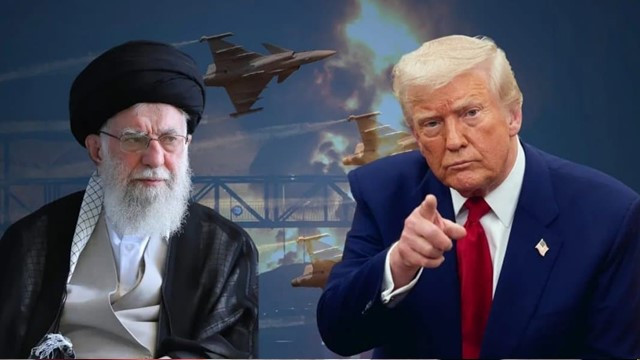
While the threat of immediate war eased following the first round of talks between the United States and Iran in Oman’s capital Muscat, tensions between the two countries remain high, with neither side showing signs of compromise.
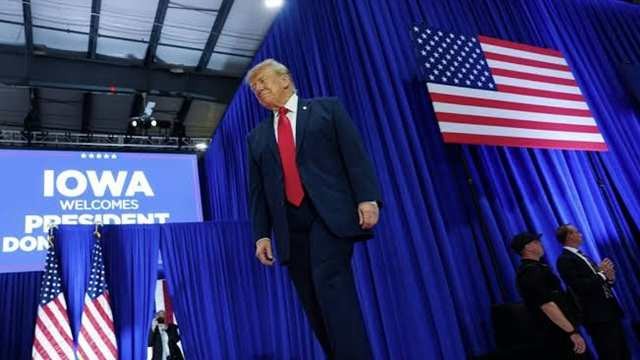
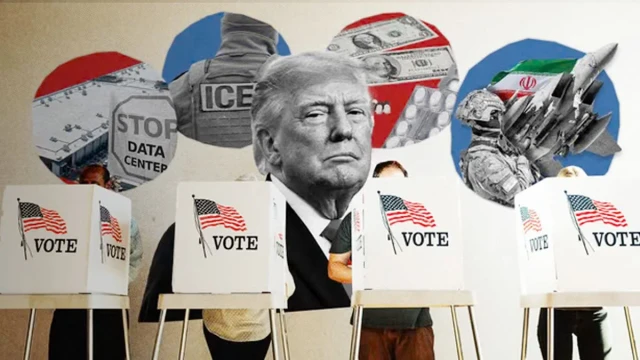
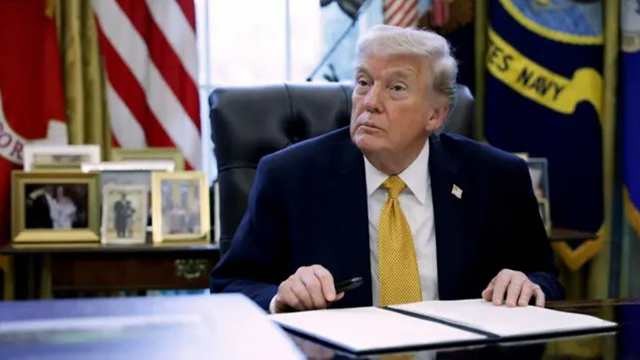
U.S. President Donald Trump has maintained a hardline stance toward Iran, imposing new sanctions and threatening tariffs on countries engaged in trade with Tehran. In response, Iran has reiterated its firm position that negotiations are limited strictly to its nuclear program and will not include discussions on its missile capabilities, which it considers integral to national security. These developments were reported by Middle East Monitor.
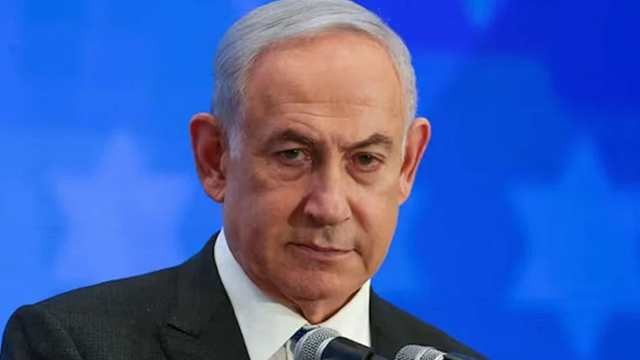
Iranian Foreign Minister Abbas Araghchi has repeatedly stated that Tehran will not make concessions on its missile program. Following these remarks, Israeli Prime Minister Benjamin Netanyahu is set to travel urgently to Washington, where he will meet President Trump on Wednesday to discuss the Iran crisis.
Araghchi said he hopes negotiations will resume soon, possibly as early as next week. Speaking at the Al Jazeera Forum in Doha on Saturday, he stressed that Iran’s missile program is “non-negotiable” and warned that any U.S. attack on Iranian territory would prompt Tehran to target U.S. military bases across the Middle East. He also strongly criticized Israel’s military expansion policies and urged Washington to refrain from “threats and pressure” in order to keep diplomatic channels open.
Experts believe the talks may once again end without tangible results, as both sides remain entrenched in their respective positions. Abdullah Al-Shayji, a U.S. foreign policy expert at Kuwait University, said that even if a new agreement is reached between the long-time adversaries, restoring lasting peace would be difficult. He added that the United States would be unable to sustain long-term pressure through naval deployments alone.
Netanyahu’s office said on Saturday that his upcoming meeting with Trump will focus on the Iranian threat, particularly Araghchi’s warnings about attacks on U.S. bases in the region. Netanyahu is expected to push for limiting Iran’s ballistic missile program and ending Tehran’s support for allied armed groups such as Hamas and Hezbollah as part of any negotiations.
US Signals ‘Peace Through Strength’
According to Middle East Monitor, Washington appears intent on achieving its objectives through a show of force. On Saturday, Trump’s special envoy Steve Witkoff and his son-in-law Jared Kushner visited a U.S. aircraft carrier stationed in the Arabian Sea. In a social media post afterward, Witkoff said the carrier “keeps us safe and upholds President Trump’s message of peace through strength.”
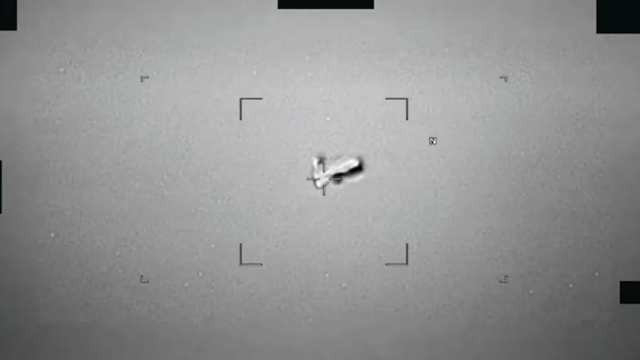
Earlier in the week, Witkoff also spoke with the pilot who shot down an Iranian drone that approached the aircraft carrier under unclear circumstances. U.S. Naval Forces Central Command chief Admiral Brad Cooper was present during the interaction.
Trump’s Five Demands to Iran
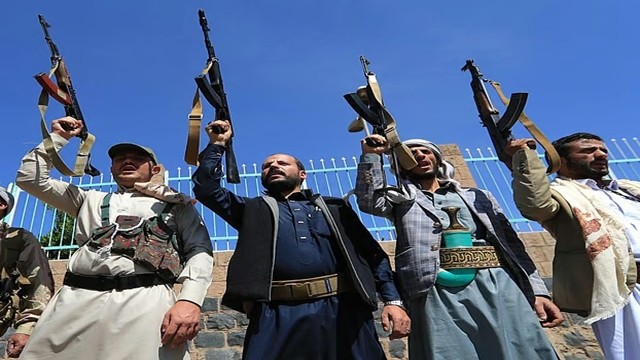
Israeli newspaper Maariv reported that during the first round of talks, the United States presented Iran with five key demands: transferring its stockpile of 400 kilograms of enriched uranium to a third country, dismantling its nuclear infrastructure, destroying its ballistic missile capabilities, halting its missile program, and ending support for armed allies in Syria, Yemen, Iraq, and Lebanon.
Iraqi Volunteers Pledge to Defend Iran
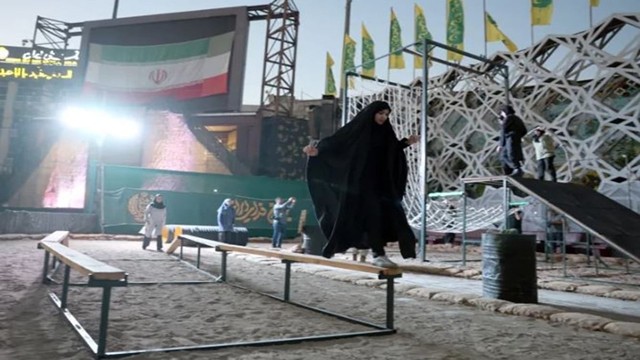
Meanwhile, thousands of Iraqi citizens have reportedly pledged to support Iran in the event of a U.S. attack. According to a statement, nearly 5,000 volunteers from Iraq’s Diyala province have committed to assisting Iran without compensation. The statement added that Iraq’s Popular Mobilization Forces are prepared to support Tehran if necessary.