১০ কার্তিক ১৪৩৩



Indian Opposition Raises Alarm Over U.S.–Bangladesh Trade Deal, Warns of Threats to Textile Sector
11 February 2026 06:02 AM
NEWS DESK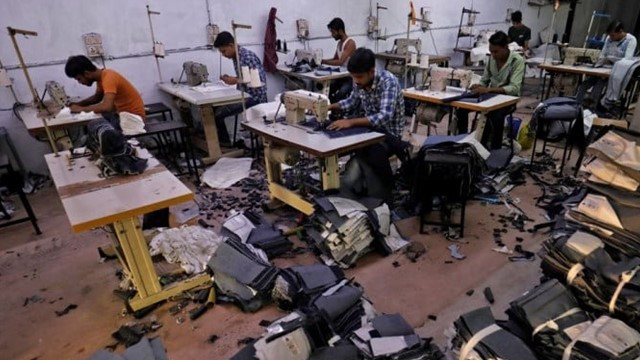
India’s main opposition party, the Indian National Congress, has expressed deep concern over a newly signed trade agreement between the United States and Bangladesh, warning that it could have severe economic repercussions for India’s textile industry and cotton farmers.
The Congress party claims that Bangladesh has gained preferential access to the U.S. market under the agreement, a move they say was facilitated by diplomatic shortcomings on the part of the Indian government. According to the party, the deal could undermine India’s export competitiveness.
In a statement posted on its official Facebook page on Tuesday, February 9, Congress highlighted key issues in the agreement. While India faces an 18% tariff on garments exported to the United States, Bangladesh has been granted a special “zero-tariff” provision. Under this clause, Bangladeshi garments made with U.S.-sourced cotton or synthetic fibers can enter the American market duty-free. Congress argues that this could significantly disadvantage Indian exporters.
The opposition party outlined two major concerns:
-
Cotton Exports: Bangladesh is currently a significant importer of Indian cotton. However, the zero-tariff provision could incentivize Bangladesh to source cotton directly from the U.S., potentially reducing demand for Indian cotton and harming domestic farmers and yarn manufacturers.
-
Export Competitiveness: Indian exporters continue to face an 18% tariff, while Bangladeshi goods enter the U.S. market duty-free. Congress warned that this could allow Bangladesh to capture market share at India’s expense. Textile hubs such as Tirupur, Surat, and Panipat are seen as particularly vulnerable, with millions of workers’ livelihoods potentially at risk.
Congress leader Jairam Ramesh described the deal as a “death blow” to India’s textile sector, stating: “While the government claims victory, our neighboring countries are quietly securing major advantages. This directly conflicts with the interests of our farmers.”
Following the news of the agreement, Indian textile companies saw significant stock market reactions. Shares of leading firms including Gokaldas Exports, KPR Mill, and Bardhaman Textiles fell by up to 9%, reflecting investor concerns over the potential economic impact.