১০ কার্তিক ১৪৩৩


US Naval Buildup Signals Potential Escalation Against Iran
30 January 2026 06:01 AM
NEWS DESK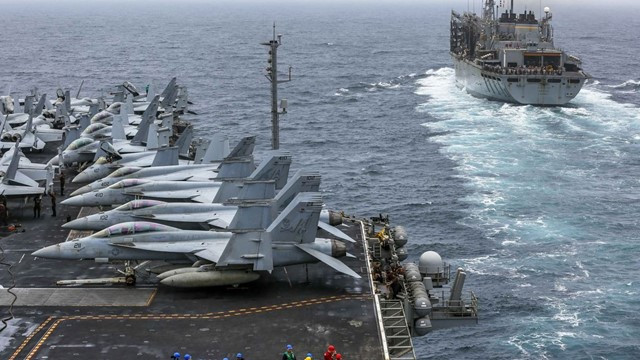
An unprecedented concentration of American military power near Iran’s coast, combined with stern warnings from the White House, has pushed the Middle East’s political landscape into a state of extreme tension. Over the past few days, the presence of the US nuclear-powered aircraft carrier USS Abraham Lincoln in the Arabian Sea, along with large-scale military drills, has triggered global concern.
International analysts are questioning whether this buildup is merely a show of force or a prelude to an attack even more severe than June 2025’s “Operation Midnight Hammer.”
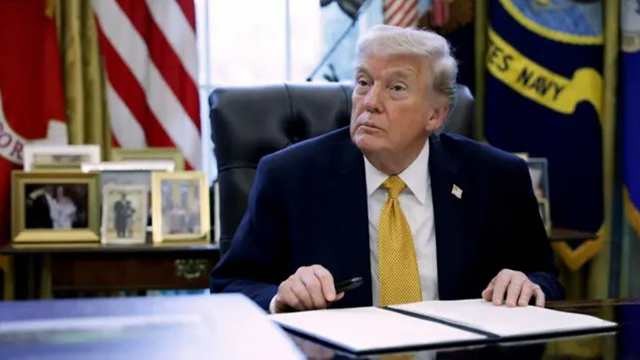
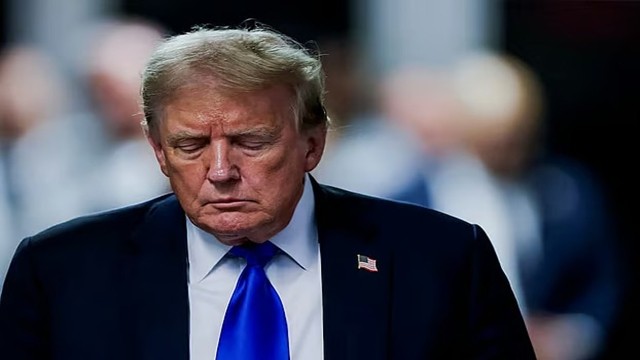
The situation began in late December, when widespread protests erupted across Iran due to inflation and a deepening economic crisis. These demonstrations gradually evolved into a movement demanding the government’s downfall. According to human rights organizations, thousands of people have been killed during the crackdown on protesters. The repression drew strong condemnation from US President Donald Trump, who directly addressed the protesters, saying that “help is coming.” He also warned Iran that it would pay a heavy price if executions of detained protesters were carried out. Although the Iranian government later assured that no executions would take place, Washington’s military activity has shown no signs of slowing down.
Last Monday, the USS Abraham Lincoln altered its course from the South China Sea and entered the Arabian Sea, sharply raising tensions. The vessel is not just a warship but a mobile airbase, accompanied by three advanced destroyers—USS Frank E. Petersen Jr., USS Spruance, and USS Michael Murphy. Each ship is equipped with Tomahawk missiles and sophisticated radar systems. At the same time, US Air Forces Central Command (CENTCOM) has launched extensive military exercises across the Middle East, aimed at being “prepared for any situation.”
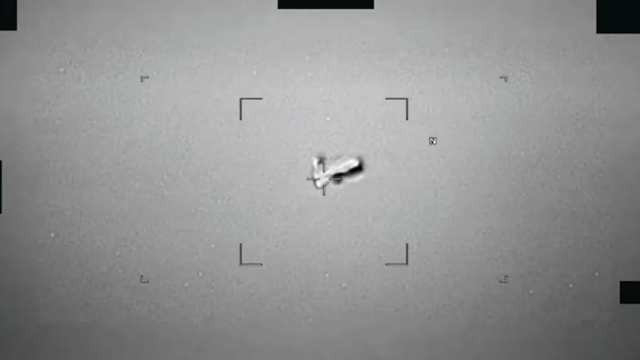
Fears are heightened by memories of June 2025’s “Operation Midnight Hammer,” during which 125 US fighter jets and submarine-launched missiles devastated Iran’s major nuclear facilities at Fordow, Natanz, and Isfahan. The operation involved powerful bunker-buster bombs capable of penetrating nearly 200 feet underground. Analysts now believe the current scenario could be different: if an attack occurs, US targets may focus not on nuclear sites but on the foundations of Iran’s governing system or its political leadership.
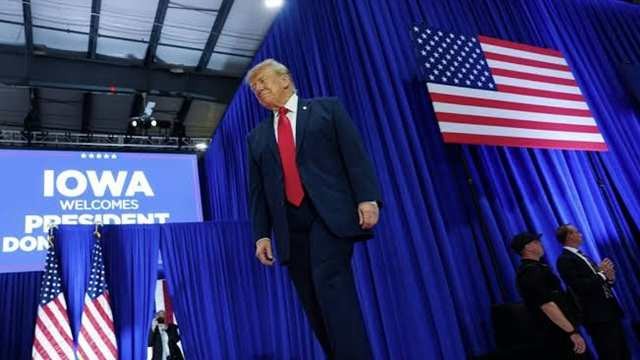
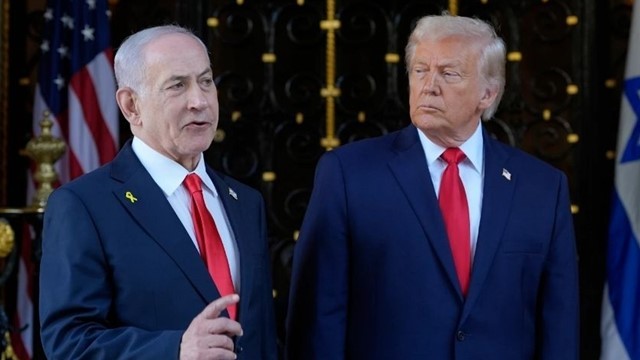
Speaking to reporters aboard Air Force One last week, President Trump said the massive naval deployment was intended “for use if necessary.” He issued a veiled threat, stating that if the United States is forced to act, it would make last June’s strike look “like peanuts.” Such remarks and strategic positioning suggest that Washington may now be considering broader objectives rather than limited targets.
However, the risks of such action are significant. Experts at the European Council on Foreign Relations warn that if the US pursues regime change through military force, Tehran is unlikely to remain passive. Possible retaliatory measures include attacks on US troops stationed across the Middle East or the closure of vital commercial waterways such as the Strait of Hormuz, potentially triggering global economic turmoil. Compared to Iran’s limited retaliation against a US airbase in Qatar following last year’s strike, any response this time could be far more destructive.
At the same time, many analysts argue that Iran is now weaker than before. Ongoing internet blackouts and economic collapse have pushed the government into a corner, creating an opportunity Washington may be seeking to exploit. Whether diplomacy or the roar of cannons prevails will depend on developments in the coming days. For now, the calm waters of the Arabian Sea appear frozen in anticipation of a massive storm.