২ কার্তিক ১৪৩৩


U.S. Proposes Additional Tariffs on Imports from 60 Countries Over Forced Labor Concerns
04 June 2026 06:06 AM
NEWS DESK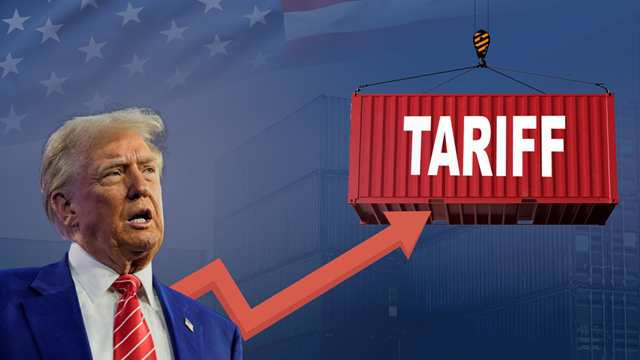
The United States has proposed imposing additional import tariffs on products from 60 countries, including Bangladesh, for failing to take adequate measures to prevent trade in goods produced through forced labor.
The proposal was announced on Tuesday by the Office of the United States Trade Representative (USTR), which cited Section 301(b) of the U.S. Trade Act of 1974. According to the USTR, the failure of key trading partners to effectively restrict or prevent imports linked to forced labor creates an uneven playing field for American workers and businesses.
The proposal identifies 54 economies—including Bangladesh, India, China, Japan, the United Kingdom, Vietnam, and Thailand—as having failed to impose or adequately enforce effective bans on goods produced through forced labor.
An additional six countries, including Canada, Mexico, and Pakistan, were cited for failing to effectively implement existing restrictions against forced-labor products.
Under the proposed framework, countries that have partial trade arrangements or commitments related to forced-labor restrictions could face an additional 10 percent tariff on exports to the United States. Countries without such arrangements could be subject to tariffs of up to 12.5 percent.
The measure is not yet in effect and remains under review. Interested parties will have until July 6 to submit written comments on the proposal.
The USTR has also proposed a separate textile and apparel mechanism that would allow a specified volume of garments and textile products to enter the U.S. market at reduced tariff rates. However, the details of the quota system, including volume limits and tariff levels, have not yet been finalized.
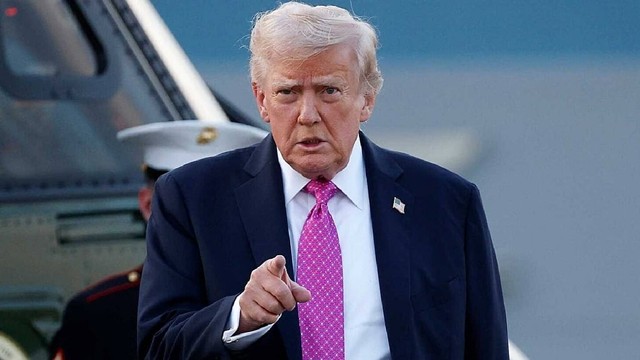
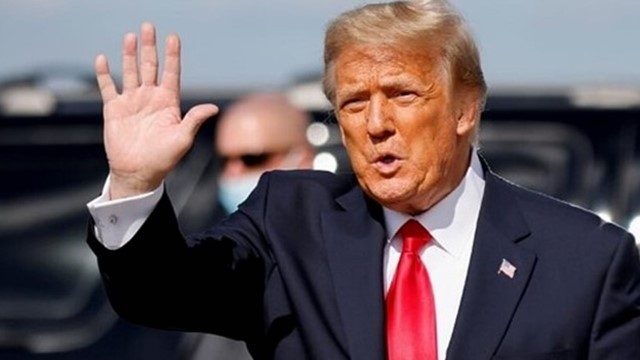
The proposal forms part of the Trump administration’s effort to restructure its emergency tariff regime after a U.S. Supreme Court ruling in February limited the administration’s authority to impose certain tariffs under emergency economic powers.
According to the USTR, countries that have already adopted forced-labor bans, committed to implementing such restrictions through trade agreements, or maintain partial regulatory frameworks would generally be subject to the lower 10 percent tariff rate.
Countries that could face the 10 percent tariff include Bangladesh, Canada, Ecuador, the European Union, Indonesia, Mexico, Pakistan, Argentina, Cambodia, El Salvador, Guatemala, Malaysia, Taiwan, and the United Kingdom.
The remaining 45 countries identified in the proposal would be subject to an additional 12.5 percent tariff.
The announcement comes as the temporary 10 percent tariff introduced by the Trump administration on February 20 is scheduled to expire on July 24. Following the Supreme Court's decision, the administration's authority to continue imposing those tariffs under the International Emergency Economic Powers Act (IEEPA) is expected to end after that date.
The USTR also announced that it will soon release the findings of an investigation into excess industrial capacity among 16 major trading partners, including China.
According to information cited by Reuters, several categories of products would be exempt from the proposed forced-labor tariffs. These include energy products, rare earth materials and certain metals, beef, coffee, selected fruits and vegetables, pharmaceuticals, biochemicals, and aircraft parts.
The proposal is expected to generate significant debate among global trading partners, particularly export-oriented economies that rely heavily on access to the U.S. market.