২ আশ্বিন ১৪৩৩


Vance Warns Israel Against Defying Trump’s Iran Deal, Highlights Growing Isolation
19 June 2026 18:06 PM
NEWS DESK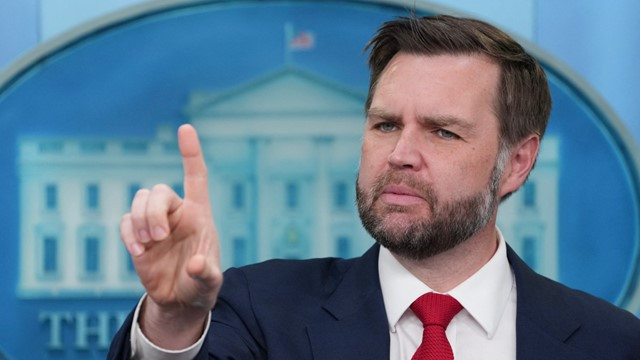
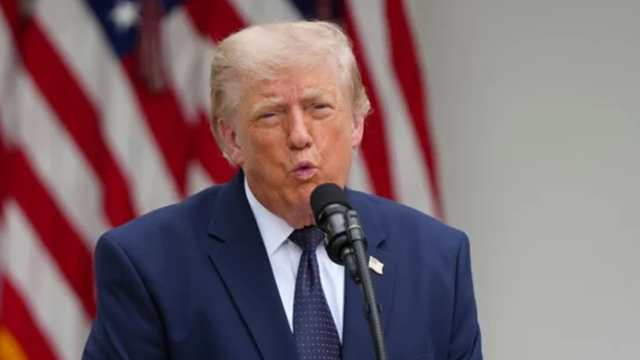
U.S. Vice President J.D. Vance has issued a stern warning to the Israeli government, urging it to accept the Iran memorandum of understanding signed by President Donald Trump. He also emphasized that Israel has become increasingly isolated from much of the international community in recent years and now relies primarily on the United States as its only major ally.
Speaking to reporters during a nearly hour-long briefing at the White House, Vance remarked, “If I were a member of the Israeli cabinet, I probably wouldn’t attack the only powerful ally I have left in the entire world.”
His comments represent the clearest public indication yet of the growing tensions between the Trump administration and Israel’s leadership following the joint U.S.-Israeli military campaign against Iran that began approximately four months ago.
Throughout most of the briefing, Vance defended the recently signed agreement with Iran. Although Israel was not a direct party to the deal, one of its provisions requires Israel to halt military operations in Lebanon.
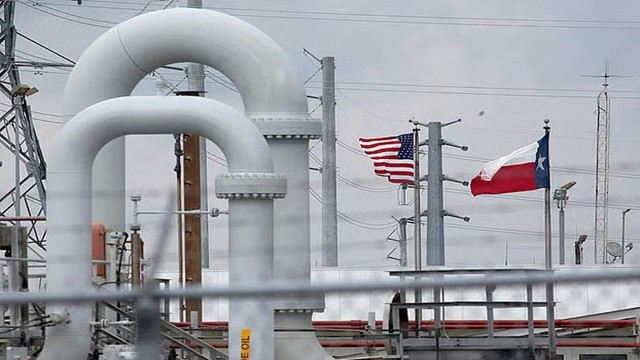
Under the agreement, the United States will lift restrictions on Iran’s crude oil exports, helping revive the Iranian economy. In return, Iran has agreed to reopen the Strait of Hormuz, which it had previously closed, and has pledged not to pursue nuclear weapons development.
The memorandum initiates a 60-day negotiation process that could eventually lead to the establishment of a $300 billion reconstruction and economic development fund for Iran.
According to Axios, Israeli officials have expressed “deep concern” about the agreement. An adviser to Prime Minister Benjamin Netanyahu reportedly stated that Israel does not consider itself bound by the Lebanon-related provisions of the memorandum.
Netanyahu himself has not publicly commented on the deal since its signing. However, Israeli media outlets aligned with him have sharply criticized President Trump and his team. Some have accused Trump envoys Steve Witkoff and Jared Kushner of “selling out” Israel in exchange for financial benefits.
Responding to such criticism, Vance noted that roughly three-quarters of Israel’s defense arsenal is manufactured and funded by the United States. He argued that “Donald Trump is not Israel’s problem.”
“Those in Israel who believe that the President of the United States is their biggest problem need to wake up and understand the reality of the situation,” Vance said.
The vice president also revealed that the Trump administration has been in near-daily contact with both Israeli officials and governments across the Persian Gulf region. However, he said that in his own conversations with senior Israeli leaders, he had not heard the concerns now being voiced publicly.
Vance further criticized Israel’s recent decision to launch a deadly strike in Beirut, Lebanon, at a time when the United States was reportedly close to achieving a major diplomatic breakthrough in negotiations with Iran. He said that many of those killed in the attack had no connection to Hezbollah, despite Israeli claims that the operation targeted the group’s positions.
“Our fundamental message to the Israelis is the same message we are giving everyone else,” Vance said. “We want this peace process to be beneficial for you. We do not want Hezbollah attacking Israel. But to ensure that, we need to build a regional framework that can end Iranian support for Hezbollah while also ensuring that all parties respect Lebanon’s territorial sovereignty.”
Vance’s remarks underscore the growing strain between Washington and Jerusalem as the Trump administration pursues a broader regional strategy centered on diplomacy with Iran and de-escalation across the Middle East.