৪ আশ্বিন ১৪৩৩



US Intelligence Warns Netanyahu Could Undermine Trump’s Iran Peace Efforts: Report
22 June 2026 05:06 AM
NEWS DESK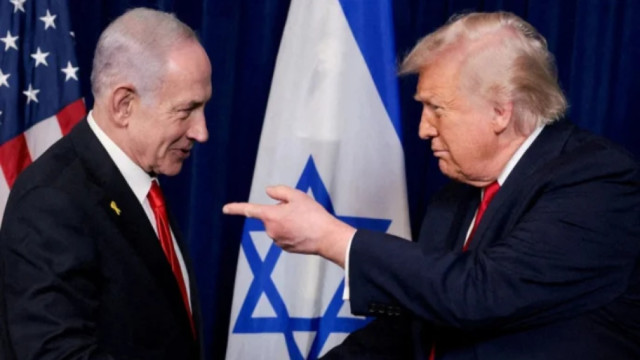
US intelligence agencies have warned the Trump administration that Israeli Prime Minister Benjamin Netanyahu could take steps that may undermine President Donald Trump’s efforts to reach a lasting peace agreement with Iran, according to a report by The Washington Post citing current and former US officials.
The report said American intelligence assessments suggest that Netanyahu may deliberately act in ways that could weaken the recently emerging US-Iran diplomatic agreement.
According to the report, Netanyahu is facing intense domestic political pressure to continue military operations against Hezbollah in Lebanon. With elections approaching, officials believe the Israeli prime minister may be willing to take actions that could put him at odds with his longtime ally Trump, creating a challenge for Washington’s attempt to establish a long-term diplomatic arrangement with Tehran.
A US intelligence analysis released this week reportedly stated that Israel remains determined to continue its military campaign against Hezbollah. If Israel does not halt operations in Lebanon, it could violate a key condition of the memorandum of understanding recently signed between the United States and Iran, which included provisions for ending conflicts across all regional fronts, including Lebanon.
The differing positions between Trump and Netanyahu have highlighted growing disagreements between the two close allies.
Tensions escalated after a Hezbollah drone attack killed four Israeli soldiers following continued Israeli strikes. Israel responded with renewed air raids across southern Lebanon.
The escalation reportedly led to the postponement of a high-level US-Iran meeting in Switzerland. Vice President J.D. Vance, who was expected to lead the US delegation, also delayed his trip.
However, on Friday evening, following an appeal from Trump and intervention from Iran, Israel and Lebanon agreed to a ceasefire. Shortly afterward, US and Iranian officials confirmed that peace talks in Switzerland would proceed.
Trump’s special envoy Steve Witkoff has already begun traveling to participate in the negotiations, while Iranian Foreign Minister Abbas Araghchi is also expected to arrive in Switzerland.
The US intelligence assessment further noted that Netanyahu’s political future is closely tied to his position on Lebanon ahead of national elections expected in the autumn.
A US official was quoted as saying that Netanyahu’s political survival depends on convincing Israelis that his government will not withdraw forces from Lebanon, which could encourage him to pursue a more confrontational approach.
Public opinion in Israel has also largely supported a tougher stance toward Hezbollah. A May survey by the Institute for National Security Studies (INSS) reportedly found that around 70 percent of Jewish Israeli respondents favored intensifying the conflict against Hezbollah.
Previous ceasefire efforts mediated by the Trump administration failed to fully take hold, partly because Hezbollah was not included in negotiations and Israel did not completely halt military operations.
At the G7 summit in France, Trump acknowledged that there were “some disagreements” regarding Lebanon and warned Netanyahu against excessive destruction. However, members of Israel’s cabinet have continued to maintain a hardline position.
National Security Minister Itamar Ben-Gvir recently wrote on social media that “all of Lebanon should burn,” according to the report.
Meanwhile, speaking to reporters in Jerusalem, Netanyahu said Israeli forces would remain inside a “security buffer zone” in Lebanon for as long as necessary. He also acknowledged that he and Trump do not see eye-to-eye on some issues.
Israel has also expressed objections to the US-Iran memorandum, saying the agreement could limit its ability to defend itself.
US officials, however, argue that the agreement is crucial to reopening the Strait of Hormuz and preventing a broader global economic crisis.
Analysts say the dispute represents a major turning point in a relationship that has long been considered one of the foundations of Netanyahu’s political career. They note that Netanyahu is risking a serious confrontation with a US president who, according to the report, launched military action against Iran earlier this year following Israeli requests.
The report also noted that the conflict has already involved significant financial costs and casualties among US forces.