১১ আশ্বিন ১৪৩৩



Trump Administration Moves Ahead with $700 Million Jet Engine Sale to Turkey
27 June 2026 08:06 AM
NEWS DESK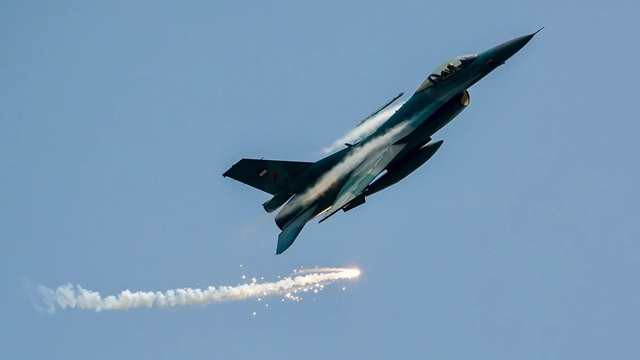
The administration of U.S. President Donald Trump has formally notified Congress of its plan to approve the sale of dozens of jet engines worth more than $700 million to Turkey, despite opposition from several Democratic lawmakers.
The move follows a Reuters report on Wednesday that the Trump administration had decided to proceed with the export despite U.S. sanctions imposed on Turkey in 2019 over its purchase of Russia's S-400 air defense system and longstanding objections from Congress.
In a notification sent to Congress on Wednesday night, the U.S. State Department said the export license was approved after reviewing political, military, economic, human rights, and arms control considerations.
The decision is widely viewed as a goodwill gesture toward Turkish President Recep Tayyip Erdoğan ahead of next month's NATO summit in Ankara. President Trump has repeatedly described Erdoğan as one of Washington's key allies.
Under U.S. law, Congress has 15 days to introduce a joint resolution to block the proposed sale. However, such a measure would require approval by both the House of Representatives and the Senate. Even if passed, President Trump could veto the legislation.
Representative Gregory Meeks, the ranking Democrat on the House Foreign Affairs Committee, has emerged as one of the deal's leading critics. He argued that the administration has failed to adequately address concerns regarding Turkey's continued possession of the Russian-made S-400 missile system and the future of U.S.-Turkey defense relations.
"It will take years for this equipment to be delivered, yet the administration has repeatedly failed to answer our concerns on critical U.S. policy issues," Meeks said.
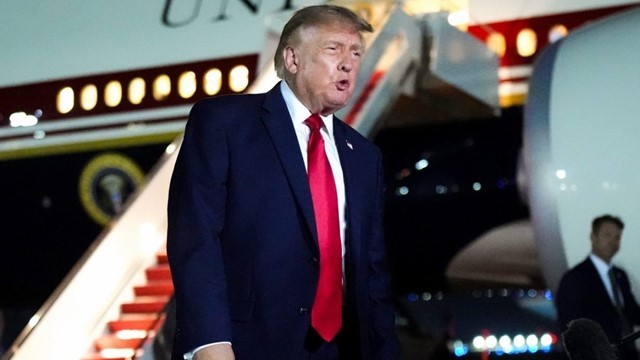
Asked on Wednesday about the jet engine sale, the F-35 program, and the upcoming Ankara summit, President Trump said, "I'm probably going to do something that will make them very happy."
The engines, manufactured by U.S.-based General Electric (GE), are expected to power Turkey's domestically developed fifth-generation fighter jet, KAAN. Launched in 2016, the KAAN project aims to reduce Turkey's dependence on foreign defense suppliers and strengthen its domestic aerospace industry.
However, Turkish officials have acknowledged that it will take several more years before the KAAN aircraft can fully replace the U.S.-made F-16 fighter jets that currently form the backbone of the Turkish Air Force.
Relations between Washington and Ankara deteriorated after Turkey purchased the Russian S-400 air defense system in 2019. In response, the United States imposed sanctions on Turkey, removed the country from the F-35 fighter jet program, and Congress passed legislation prohibiting the sale of F-35 aircraft to Turkey as long as the S-400 system remains operational.
Opposition to the proposed engine sale continued to grow on Thursday, with several Democratic lawmakers voicing their objections. Representative Chris Pappas argued that Erdoğan's government should not be rewarded after violating U.S. law and called for Turkey to remain excluded from the F-35 program.
Representative Dina Titus also said she would introduce a congressional resolution to block the jet engine sale if the Trump administration proceeds with the plan.