৮ আশ্বিন ১৪৩৩



Birth Tourism Back in Focus as Trump Pushes to Restrict Birthright Citizenship
10 August 2026 06:08 AM
NEWS DESK
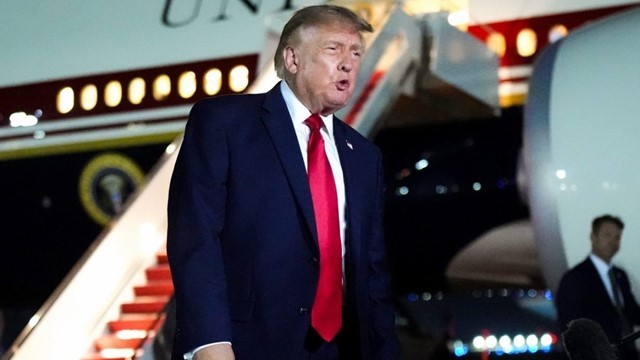
The practice known as "birth tourism"—where foreign nationals travel to the United States to give birth so their child acquires U.S. citizenship—has returned to the spotlight following two executive orders issued by President Donald Trump.
One order seeks to crack down on birth tourism, while the other aims to limit birthright citizenship in certain cases.
What Is Birth Tourism?
Birth tourism refers to travel to the United States primarily for the purpose of giving birth, allowing a child to obtain U.S. citizenship by birth.
The legal principle behind this policy is known as jus soli, or the "right of the soil." It is rooted in the 14th Amendment to the U.S. Constitution, adopted in 1868 after the Civil War to guarantee citizenship to formerly enslaved people born in the United States.
Today, nearly all children born on U.S. soil automatically become U.S. citizens, regardless of their parents' nationality or immigration status. Limited exceptions apply, including children born to foreign diplomats.
Giving birth in the United States while visiting on a tourist visa is not illegal in itself. However, concealing the true purpose of travel or obtaining a visa through misrepresentation may violate U.S. immigration laws.
How Common Is Birth Tourism?
There is no definitive government estimate of how many births result from birth tourism, as official birth records generally do not indicate whether a mother traveled specifically to give birth.
According to the U.S. Centers for Disease Control and Prevention (CDC), slightly more than 9,500 babies were born in the United States in 2024 to mothers who listed a foreign address. That year, the country recorded approximately 3.7 million births, meaning such births accounted for about 0.25% of the total.
However, these figures do not necessarily represent birth tourism, as some foreign nationals may use U.S. addresses when registering births or may have been in the country for reasons unrelated to childbirth.
The Migration Policy Institute estimates that 20,000 to 26,000 babies are born each year through birth tourism, representing roughly 0.5% to 0.7% of all annual births in the United States.
Researchers say the exact number remains difficult to determine because government data do not reliably identify a traveler's intent.
Trump's Executive Orders
One of President Trump's new executive orders seeks to expand the existing exceptions to birthright citizenship, limiting automatic citizenship for children born to certain categories of parents.
A second order directs the U.S. Department of State and the Department of Homeland Security to more aggressively enforce laws aimed at preventing birth tourism.
Earlier, on January 20, 2025, the first day of his second term, Trump signed an executive order attempting to restrict automatic citizenship for children born to parents who were in the United States illegally or on temporary visas.
Legal Challenges
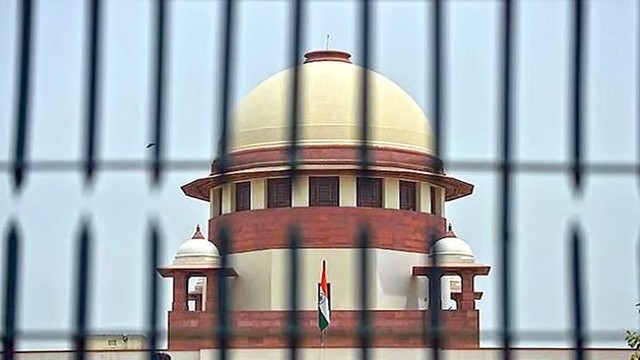
In June 2026, the U.S. Supreme Court ruled against that initiative, finding that the proposed restrictions conflicted with the 14th Amendment of the Constitution.
The Trump administration has argued that birth tourism demonstrates abuse of the current birthright citizenship system. However, that argument has faced scrutiny in court.
Chief Justice John Roberts reportedly noted that while circumstances may change over time, constitutional protections remain the same.
How Other Countries Compare
More than 30 countries broadly recognize birthright citizenship, including most nations in Latin America, such as Brazil, Argentina, and Mexico.
Among developed countries, the United States and Canada generally grant citizenship to nearly all children born within their borders, regardless of their parents' citizenship or immigration status.
By contrast, countries such as the United Kingdom and Australia have more restrictive rules. In those countries, at least one parent typically must be a citizen or permanent resident for a child born there to automatically acquire citizenship.