১৭ আশ্বিন ১৪৩৩



Who Is Abdul El-Sayed? The Progressive Democrat Seeking to Make U.S. Senate History
19 August 2026 06:08 AM
NEWS DESK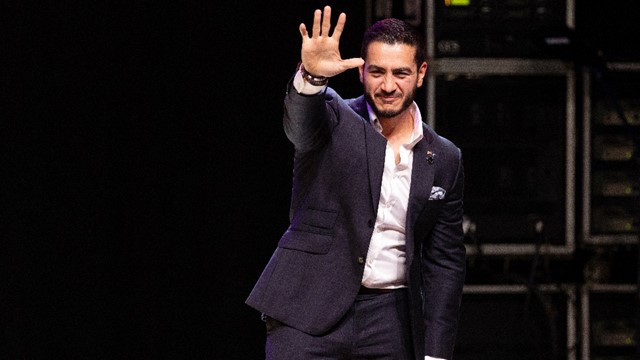
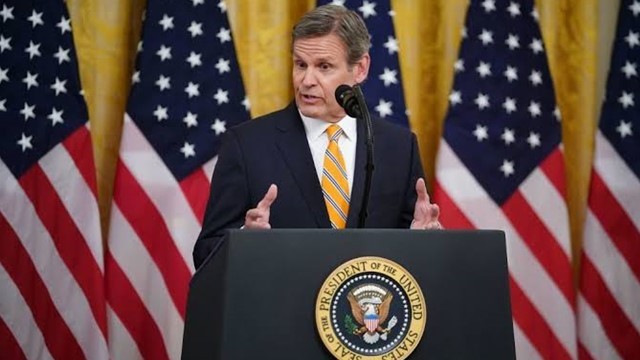
When Abdul El-Sayed accepted the Democratic nomination for Michigan's U.S. Senate race earlier this month, he reflected on how chance shaped his life.
"Like my cousins, I probably would have become a taxi driver in Egypt. But history intervened, my father immigrated to Detroit, and I grew up as an American," he told supporters in his victory speech.
The 41-year-old physician, former public health official, and progressive Democrat has quickly emerged as one of the most closely watched figures in U.S. politics. While his Egyptian-American background and Muslim faith have drawn attention, analysts say his rise has been driven primarily by his left-wing policy platform, criticism of President Donald Trump, and opposition to U.S. military funding for foreign governments, including Israel.
El-Sayed campaigned on the slogan: "Money out of politics, money in your pocket, healthcare for all." His platform focuses on reducing corporate influence in politics, expanding access to healthcare, and improving the economic well-being of working-class Americans.
He has also appealed to Democratic voters dissatisfied with Trump's second-term agenda, positioning himself as a strong progressive alternative.
One of his most controversial positions is his opposition to U.S. military aid for any foreign country. El-Sayed has argued that taxpayer money should be invested in domestic priorities rather than overseas military assistance.
"I oppose funding the militaries of Israel, Egypt, Saudi Arabia, Pakistan, Jordan, the UAE, Qatar—or any other country," he has said. "I'd rather see those tax dollars spent repairing roads or improving schools."
Despite winning the Democratic nomination in Michigan, El-Sayed did not receive backing from much of the party's national establishment, earning him the reputation of a political outsider.
Instead, his campaign was endorsed by prominent progressive leaders, including Sen. Bernie Sanders and Rep. Alexandria Ocasio-Cortez.
In November's midterm election, El-Sayed will face Republican Mike Rogers, a close ally of President Trump.
If elected, El-Sayed would become the first Muslim senator in U.S. history.
Although many describe him as a political newcomer, El-Sayed first entered statewide politics in 2018, when he ran for governor of Michigan. While he lost that race, he secured more than 30 percent of the vote campaigning on healthcare reform and reducing corporate influence in politics.
Many observers trace his political ambitions to 2007, when he met former President Bill Clinton after delivering a commencement speech as the top graduating student at the University of Michigan. Clinton praised El-Sayed's speech publicly and later met him privately, an experience that El-Sayed has described as influential.
In 2017, he resigned as Detroit's public health director to run for governor.
At age 30, El-Sayed became the youngest public health director of a major U.S. city. During his tenure, he introduced initiatives aimed at reducing infant mortality, providing free eyeglasses to schoolchildren, and testing hundreds of schools for lead contamination. His work earned widespread support, particularly among Michigan's Muslim community.
El-Sayed returned to the political spotlight after launching his Senate campaign earlier this year.
His criticism of Israel's military campaign in Gaza and his opposition to unconditional U.S. military assistance to Israel became defining issues during the Democratic primary.
President Trump sharply criticized El-Sayed after his primary victory, accusing him of being antisemitic.
"This man doesn't love Jewish people. He doesn't love Israel. He hates them," Trump said.
El-Sayed has repeatedly rejected those accusations, saying he wants Jewish residents in his state to feel just as safe as he wants his own daughters to be.
Political analysts believe differences over U.S. policy toward Israel played a major role in the Democratic primary. While El-Sayed called for ending military aid to foreign governments, including Israel, his opponent, Haley Stevens, supported maintaining unconditional U.S. assistance to Israel and received significant campaign support from pro-Israel groups.
El-Sayed has also made opposition to Trump a central theme of his campaign.
"We are united to defeat Mike Rogers and Trumpism," he said in a recent interview, pledging to hold the administration accountable and elect leaders committed to democratic values and universal healthcare.
During the campaign, he told voters: "If you're looking for a senator who will stand up to Donald Trump, that candidate is standing right in front of you."
Political observers say El-Sayed's Senate campaign could have consequences beyond Michigan.
A Democratic victory in a state that backed Trump in the 2024 presidential election would strengthen the party ahead of the 2028 presidential race. It could also encourage Democrats to embrace more progressive candidates rather than centrist figures in future national elections.
Whether El-Sayed wins in November or not, his campaign has already become a significant test of the Democratic Party's future direction and the growing influence of progressive politics in the United States.