২৬ আশ্বিন ১৪৩৩


US Approves Breakthrough Drug for Pancreatic Cancer, Offering New Hope to Patients
28 August 2026 03:08 AM
NEWS DESK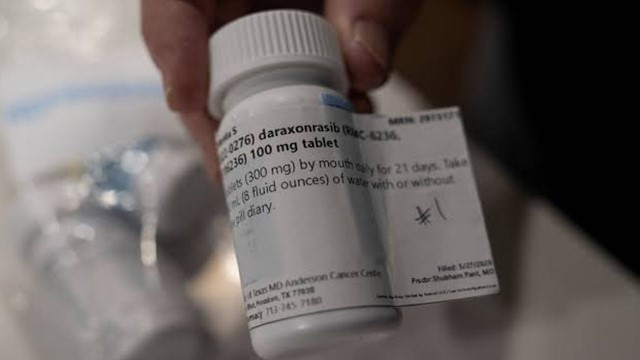
The United States has taken a significant step forward in the fight against pancreatic cancer after the U.S. Food and Drug Administration (FDA) approved a new targeted therapy that has shown remarkable results in clinical trials.
The newly approved drug, Daraxonrasib, will be marketed by Revolution Medicines under the brand name RasOnC. Researchers believe the treatment could mark a major breakthrough against one of the deadliest and most difficult-to-treat forms of cancer.
According to the FDA, the drug provides an important new treatment option for patients with advanced pancreatic cancer, a disease that has historically had very limited effective therapies.
The FDA's approval was based on a late-stage clinical trial involving nearly 500 patients. The study found that patients who took Daraxonrasib once daily had a median overall survival of 13.2 months, compared with 6.6 months for those receiving standard chemotherapy—nearly doubling survival time.
FDA officials described the approval as a significant advancement in an area where patients have long faced a shortage of effective treatment options.
Angelo De Claro, Director of the FDA's Oncology Center of Excellence, said the trial produced unprecedented results for pancreatic cancer. Given the substantial unmet medical need, the agency granted approval six months ahead of schedule.
Daraxonrasib targets mutations in the KRAS gene, which are found in more than 90% of pancreatic tumors. Mutated KRAS plays a critical role in driving cancer cell growth and spread.
The drug works by binding to the mutated KRAS protein and blocking its activity, potentially slowing tumor growth and preventing the cancer from spreading to other parts of the body.
For decades, KRAS has been considered one of the most important—and most challenging—targets in cancer research, making the development of an effective therapy a major scientific achievement.
According to the American Cancer Society, approximately 67,000 people are diagnosed with pancreatic cancer each year in the United States. The disease has one of the highest mortality rates among major cancers.
The pancreas, located behind the stomach, produces digestive enzymes and hormones that regulate blood sugar. Pancreatic cancer is especially dangerous because it is often detected at an advanced stage, when symptoms are minimal and the disease has already spread.
More than half of patients die within three months of diagnosis, highlighting the urgent need for more effective treatments.
The FDA granted Daraxonrasib Breakthrough Therapy Designation in 2025 after early clinical studies demonstrated promising results compared with existing treatments. The designation is intended to accelerate the development and review of therapies for serious diseases that show substantial improvement over available options.
Following encouraging results from subsequent trials, the FDA approved the drug six months earlier than originally scheduled.
Although the treatment represents a major advance, it is not without risks.
The most common side effects reported among patients receiving Daraxonrasib included:
- Skin rash
- Diarrhea
- Nausea
- Fatigue
- Vomiting
Serious adverse events occurred in approximately 44% of patients taking Daraxonrasib, compared with 57.5% of those receiving conventional chemotherapy, suggesting a lower rate of severe side effects than standard treatment.
Former U.S. Senator Ben Sasse, who announced in December that he had been diagnosed with Stage IV pancreatic cancer, is currently participating in a clinical trial involving Daraxonrasib.
According to Sasse, scans have shown that his tumors have shrunk since starting the treatment, providing additional optimism about the drug's potential.
Experts view the approval of Daraxonrasib as a landmark achievement in pancreatic cancer research, particularly because of its success in targeting KRAS mutations—a goal that scientists have pursued for decades.
However, physicians caution that longer-term studies and broader real-world data will be needed to better understand the drug's long-term effectiveness, impact on patients' quality of life, and performance across different patient populations.