২৬ আশ্বিন ১৪৩৩



German Arabist Wins Sheikh Zayed Book Award for Collection of Pre-Islamic Arabic Poetry
11 October 2026 20:10 PM
NEWS DESK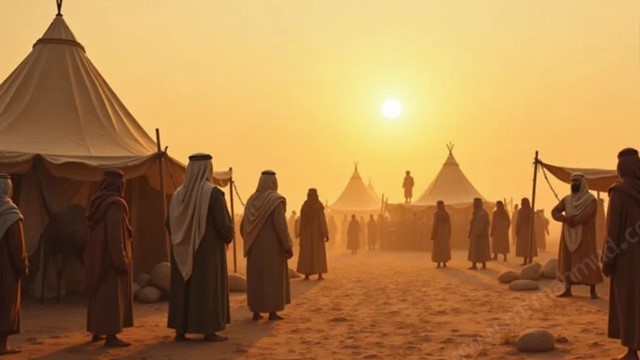
German Arabist Stefan Weidner has won the prestigious Sheikh Zayed Book Award in the Arabic Literature category for his anthology of pre-Islamic Arabic poetry, bringing ancient Arab literary traditions to modern German readers.
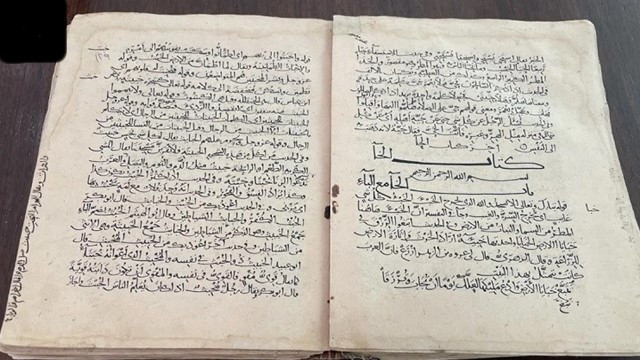
The book, titled Der Arabische Diwan: Die Schönsten Gedichte aus Vorislamischer Zeit (The Arab Diwan: The Most Beautiful Poems from Pre-Islamic Times), presents a collection of poems composed in Arabia before the advent of Islam around 1,500 years ago.
Beyond themes of love, warfare and heroism, the poems explore the natural world, describing bees and honey gatherers, birds in flight, the movements of horses and animals roaming the Arabian desert. Together, they offer valuable insights into the environment, society, culture and everyday struggles of pre-Islamic Arabia.
Weidner argues that people in ancient Arabia developed an intimate understanding of their surroundings out of necessity. Survival in the harsh desert environment required knowledge of animals, plants, weather patterns and terrain.
Although they did not practise science in the modern sense, their poetry reveals a remarkably systematic approach to observing nature and learning from experience, he said.
His anthology reflects this tradition of close observation and practical knowledge. Spanning nearly 1,000 lines, the collection presents ancient Arabic poetry in contemporary German translation.
Weidner compares the role of poetry in pre-Islamic Arab society to a combination of modern social media, newspapers, government communications, diplomacy, wartime propaganda and advertising.
Poets used their work to promote their own strength and status, warn opponents and celebrate heroic deeds.
Some warriors boasted that their swords were unmatched, even highlighting their Indian origins, as weapons from India were regarded as highly prized at the time. Other poets portrayed themselves as formidable figures capable of standing alone against the entire world.
The anthology also features works by poets known as Sa'alik — social outcasts or individuals detached from tribal protection who often presented themselves as independent warriors living beyond conventional social rules.
By contrast, poets such as Imru' al-Qais wrote about their adventures, romantic encounters and experiences of travel.
The collection challenges perceptions of pre-Islamic Arabia as culturally undeveloped or intellectually backward.
The poems suggest that people in the region were aware of the affairs of the Roman and Persian empires and possessed extensive knowledge of their natural and social environments.
At the same time, the works offer an unflinching portrayal of violence in ancient Arab society. Tribal warfare, internal conflicts, killings and humiliating attacks against rivals were recurring features of social life. Some poems contain graphic descriptions of bloodshed, mutilation and the horrors of battle.
Weidner believes the emergence of Islam introduced a new framework of rules, order and spirituality into this turbulent environment, helping establish new ideas of peace and psychological stability in Arab society.
Weidner's interest in ancient Arabic poetry began while he was researching the Mughal Empire. His investigation into how Arabic literature became known in Europe led him to discover older German translations of the poems.
However, he found the linguistic style of 19th-century translations difficult for contemporary readers to engage with, prompting him to undertake a fresh translation.
Winning the Sheikh Zayed Book Award represents more than personal recognition for Weidner. He sees it as an acknowledgment of the literary dialogue between Arab and European cultures.
For him, the enduring significance of these poems lies in their continued place in the cultural memory, love and identity of people across the Arab world.
Written around 1,500 years ago, the verses remain relevant today, demonstrating how ancient literature can preserve a civilisation's experiences and connect readers across generations and cultures.