২৬ আশ্বিন ১৪৩৩



Trump Moves to Ease Russian Diesel Restrictions to Curb US Fuel Prices, Zelenskyy Criticises Decision
10 October 2026 20:10 PM
NEWS DESK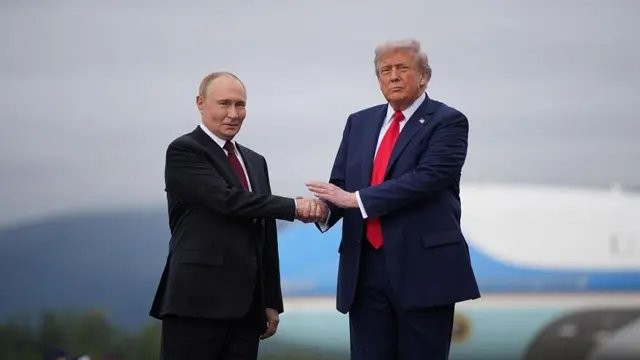
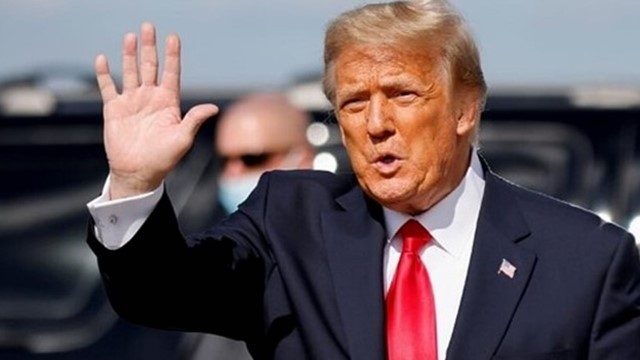
US President Donald Trump is moving to secure large supplies of Russian diesel to help control fuel prices in the United States, while also pressing Ukraine to halt attacks on Russian oil refineries.
Washington has opened the door to easing restrictions on Russian diesel exports, a move criticised by Ukrainian President Volodymyr Zelenskyy as a sign of weakness without guarantees of lasting de-escalation.
The developments were reported by Axios, citing a US official.
According to the official, attacks by Ukraine on Russian oil refineries and Russian strikes on Ukraine's electricity infrastructure were hurting both Russia and the United States. Trump, however, does not consider Ukrainian attacks on Russian refineries equivalent to Russian attacks on Ukraine's power infrastructure.
During an eight-hour meeting with a Ukrainian delegation in Miami on Friday, Trump's envoys Steve Witkoff and Jared Kushner said the US president would speak with Russian President Vladimir Putin. They also indicated that restrictions on Russian diesel exports could subsequently be eased.
Trump later described his discussions with Putin as “extremely successful” and announced plans for Russia to supply more than 300,000 tonnes of diesel immediately to the United States and the global market.
According to Trump's announcement, Russia would supply another 500,000 tonnes in November, followed by a further one million tonnes. An additional three million tonnes of diesel could also be delivered in the near future.
The volume of subsequent shipments, however, will depend on the condition of Russia's oil refineries, he said.
On October 9, the US Treasury Department's Office of Foreign Assets Control issued General License 135, authorising certain transactions involving the sale, supply, unloading from vessels and importation of Russian-origin diesel until April 7, 2027.
The measure provides a pathway for Russian diesel to reach international markets despite existing restrictions.
The move comes as Washington seeks to address domestic fuel-price pressures while pursuing diplomatic efforts to reduce tensions between Moscow and Kyiv.
Zelenskyy criticised Washington's decision, arguing that easing restrictions without an agreement to secure a lasting reduction in hostilities would demonstrate weakness.
However, the Ukrainian president said Kyiv was prepared to stop attacking Russian oil refineries if Moscow halted its strikes on Ukrainian power plants.
His position reflects Ukraine's insistence that any reduction in attacks should be reciprocal rather than a unilateral concession.
A Ukrainian official told Axios that Witkoff and Kushner had warned during the Miami meeting that Washington could stop sharing intelligence with Kyiv if Ukrainian attacks on Russian oil refineries continued.
A US official denied that such a threat had been made.
According to the US official, American envoys instead emphasised that Washington remained a key partner of Ukraine through its provision of weapons and intelligence. They also cautioned Kyiv against taking actions that could harm American consumers.
The dispute highlights the competing priorities facing Washington as it seeks to contain domestic fuel costs, maintain its relationship with Ukraine and pursue engagement with Moscow over the conflict.