৩ কার্তিক ১৪৩৩



Experts at Seminar : Bangladesh at High Risk of Earthquakes on Three Faults of Tectonic Plates
30 November 2025 05:11 AM
NEWS DESK
Bangladesh is facing an alarming level of earthquake risk due to its position over three active tectonic fault lines, and failure to take immediate action could lead to a large-scale humanitarian disaster, experts have warned.
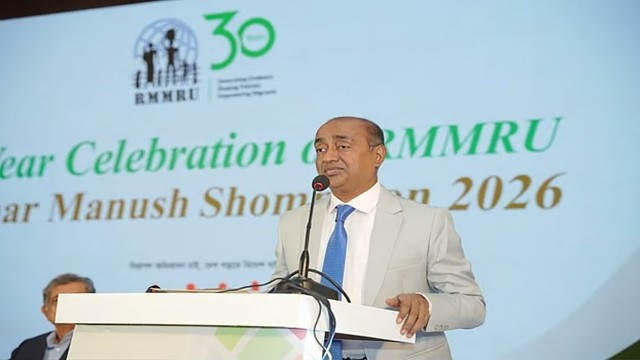
These concerns were raised at a seminar titled "Earthquake Awareness, Safety Protocol and Emergency Preparedness", held at The Westin Dhaka on Saturday, November 29, organised by real estate company JCX Developments Limited.
Local and foreign earthquake specialists, engineers, architects, policymakers and private sector representatives took part.
Speakers said Bangladesh sits at the junction of the Indian, Myanmar and Eurasian tectonic plates, with three major active faults posing severe danger:
• Dauki Fault (Sylhet region)
• Chittagong–Arakan Fault (Chattogram–Teknaf zone)
• Sagaing Fault (Myanmar)
Rapid, unplanned urbanisation, widespread violation of building codes, narrow roads and dense population were identified as major vulnerabilities that could amplify the destruction during a major quake.
Japan shares lessons
Two Japanese experts – Keichiro Sako and Heisei Sugiyama – presented earthquake-resilient construction models based on Japan’s experience. They emphasised strict compliance with building codes, structural audits, sustainable design and the use of modern shock-absorbing technology in infrastructure.
Preparedness can save lives
Speakers stressed that loss and damage from earthquakes can be significantly reduced with early preparedness, technology-based monitoring and public awareness.
Key recommendations included:
• Construction of earthquake-resistant buildings
• Mandatory structural auditing of old buildings
• Skilled rescue and emergency response training
• Early warning system development
• Regular nationwide drills and community training programs
Urgent call for coordination
JCX Developments Limited Managing Director Md Iqbal Hossain Chowdhury said recent tremors in Dhaka are a warning signal.
“With weak structures, high population density and unplanned development, a strong earthquake could turn catastrophic. The state, housing sector and citizens must work together to build resilience.”
Experts also referenced research findings, including a 2016 Columbia University study that warned of a potential magnitude 9 earthquake from a megathrust fault stretching from Sylhet to Teknaf – where stored tectonic energy has remained unreleased for nearly a thousand years.
More than 200 earthquakes have been recorded in Bangladesh in the past century, with noticeable increases since 2024, adding to concern.
Participants agreed that Bangladesh’s window for preparation is shrinking – but with coordinated planning, strict enforcement and public awareness, large-scale loss can still be avoided.