২৫ আশ্বিন ১৪৩৩



AFP Reports
Bangladesh on the Brink: First National Election After Historic Uprising
13 January 2026 07:01 AM
NEWS DESK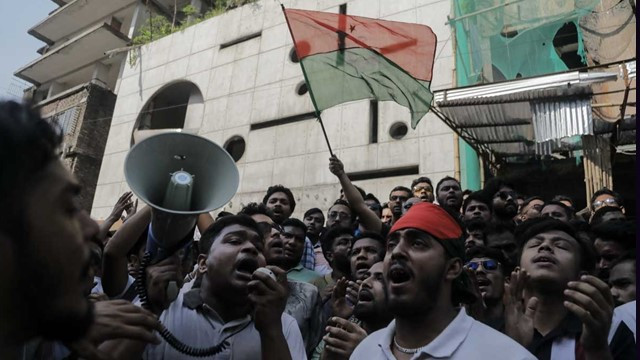
Since the August 2024 student-led uprising that ended former Prime Minister Sheikh Hasina’s 15-year authoritarian rule, Bangladesh has been navigating a period of intense political instability.
The Muslim-majority country of 170 million is set to hold its first national election post-uprising on February 12, which European Union election observers describe as “the largest democratic exercise in the world in 2026.”
Key Political Forces and Context
Interim Government
Nobel Peace Prize laureate Professor Muhammad Yunus (85) returned from abroad in August 2024 at the call of protest leaders to head the caretaker government as Chief Adviser. He will step down after the elections.
Yunus has described the political system he inherited as “completely broken” and has proposed a reform charter to prevent a return to authoritarianism. A national referendum on these reforms is scheduled to take place on the same day as the elections. The reforms aim to strengthen checks and balances among the executive, judiciary, and legislature, ensuring accountability.
Bangladesh Nationalist Party (BNP)
Led by Tarique Rahman (60), the BNP is considered the front-runner in the upcoming election. After 17 years in exile, Tarique returned to Bangladesh in December 2025.
Shortly after his return, his mother and senior BNP leader, former Prime Minister Khaleda Zia (80), passed away. The BNP-led coalition includes left-leaning and centrist parties as well as smaller Islamist groups.
Islamist-Led Coalition
The country’s largest Islamist party, Jamaat-e-Islami, seeks a formal political comeback after facing bans and repression under Hasina’s rule. Ideologically, the party aligns with the Muslim Brotherhood.
Jamaat leads a coalition of over 10 smaller parties, including the National Citizens Party (NCP), founded by student leaders who spearheaded the 2024 uprising. Other members include the Liberal Democratic Party and several fringe Islamist parties, most of which previously held only a few parliamentary seats.
Bangladesh, after Indonesia and Pakistan, is among the world’s most populous Muslim-majority nations. The country also hosts Sufi communities, often criticized by hardline Islamists, and nearly 10% of the population is non-Muslim, mostly Hindus with a small Christian minority.
Awami League
Former Prime Minister Sheikh Hasina (78) is currently in exile in India. In November 2025, she was sentenced to death in absentia for crimes against humanity.
Her party, once the most popular in the country, is now banned. Loyalists may run as independents, but it remains uncertain whom the party’s former supporters will back. Human Rights Watch has called the ban “repressive,” while Hasina warned that excluding her party from the elections could sow further division in the country.
Military Influence
With a long history of coups, Bangladesh’s military remains a significant force. The armed forces played a decisive role in Hasina’s ouster, notably choosing not to intervene in suppressing the uprising. Today, they are patrolling alongside the police to maintain law and order.
International Dimension
Regional powers are closely monitoring Bangladesh’s political developments. Relations with India, once Hasina’s closest ally, have cooled, while Yunus’ first official foreign visit as interim chief adviser was to China, signaling a strategic pivot. Simultaneously, Bangladesh has increased communication and cooperation with Pakistan, India’s long-time regional rival.